



Pope Leo XIV Consistory: What It Means
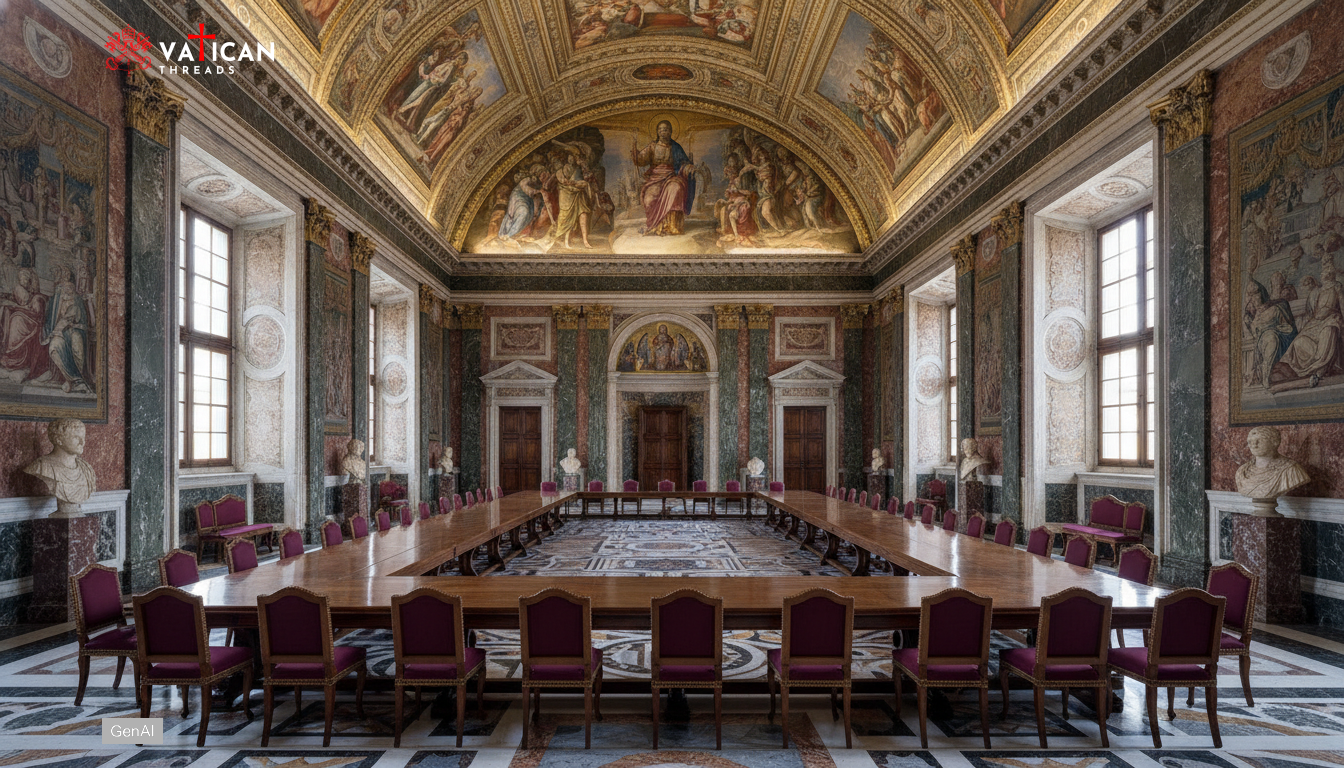
The pope leo xiv consistory is generally described as a formal gathering the Pope holds with cardinals to address Church business. Readers searching typically want clarity on what a consistory is, what it can decide, who participates, and how it differs from other Vatican meetings. For many readers, the pope leo xiv consistory is also a point of reference for how Vatican governance is presented in official communications. A consistory can be ordinary or extraordinary, and it is distinct from a conclave, which elects a pope. Depending on the agenda announced by the Holy See, a consistory may include major announcements or governance-related decisions, though the content can vary from one gathering to the next.
What Happens at a Pope Leo XIV Consistory
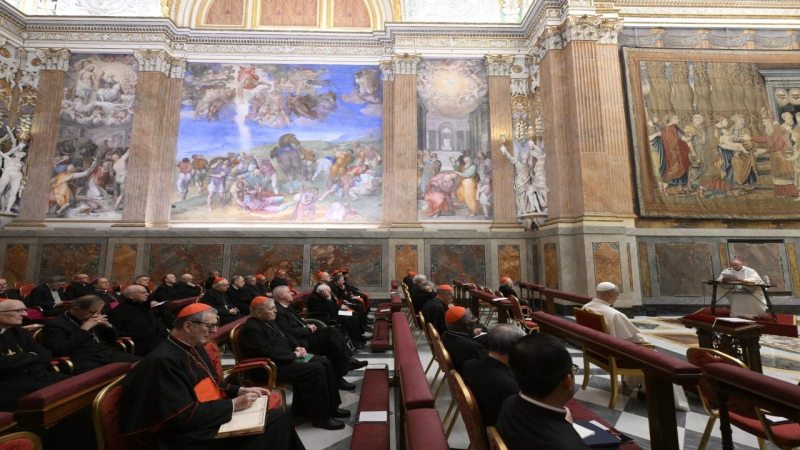
In practice, a pope leo xiv consistory may include an address by the Pope, interventions from cardinals, and decisions communicated through official Vatican channels, as indicated by how the Holy See frames the event. For a closer read on the framing used around recent references to the topic, see Pope Leo XIV consistory: what was said at Rimini and Meeting di Rimini 2026: Pope Leo XIV to Attend. The agenda can range from pastoral strategy to administrative steps, and it may be discussed alongside other public events where the Pope meets Catholic leaders or civil and ecclesial delegations. As background on how institutions communicate oversight and accountability language, some readers compare governance vocabulary across sectors, including NFT investments: market insights for smarter decisions, although Church decision making is grounded in canon law and pastoral mission rather than markets.
How the Marsodeto Meeting Connects to Consistory Themes
One public event sometimes cited by observers when discussing the pope leo xiv consistory and wider governance themes is Pope Leo XIV’s meeting with Spain’s Marsodeto Federation. As indicated by available reports, the encounter was mentioned in August 2026 and emphasized a practical standard for Christian service, including recognizing Christ in each person and protecting human dignity through concrete programs and daily practices. The official account is available at https://www.vaticannews.va/en/pope/news/2026-08/pope-to-spanish-ngo-you-discover-christ-in-face-every-person.html. While this was not itself a consistory, it can be read as the kind of emphasis Vatican watchers look for when they assess how a consistory or other major Vatican moments set a wider tone for Church institutions and partners.
Key Takeaways: Dignity, Governance, and Public Witness
Across coverage, discussion of a papal consistory, especially when tied to Pope Leo XIV, often highlights how high-level principles are expected to shape on-the-ground decisions. In the Marsodeto audience, reports summarized the Pope’s emphasis on accompaniment, protection, and respect, presenting these as more than abstract compassion and pointing to accountable care for those with little power to demand fair treatment. For related reporting on Pope Leo XIV’s broader emphasis on the human person amid social change, see Pope Leo XIV AI Speech Warns of Family Value Risks. Readers and commentators often connect that logic to governance questions: institutions are judged by how they welcome, safeguard, and communicate about their work.
What to Watch Next Around the Pope Leo XIV Consistory
Looking ahead, people following will typically track three things: whether the Pope uses the gathering to announce concrete decisions, whether cardinals are asked (or invited) to weigh in on specific challenges, and whether subsequent Vatican meetings reinforce the same priorities, as reflected in official communications and reporting. Readers also follow related Vatican travel and planning news that can indicate where emphasis is being placed, including Pope Leo XIV Spain Visit Plans and San Marino Preparations. When public encounters align with themes later associated with the pope leo xiv consistory, they are sometimes treated as a real-world test of stated priorities, such as transparency, protecting the vulnerable, and keeping pastoral work centered on persons rather than procedures. In that sense, a Pope Leo XIV consistory may function both as a governance instrument and, depending on what is said and later implemented, a signal about the standards the Pope expects to see lived out across Catholic institutions.
2 Comments
[…] Pope August 24, 2026 […]
[…] Pope August 24, 2026 […]