

Launch of ‘Friends of Leo’ for the Pope Leo XIV visit Peru
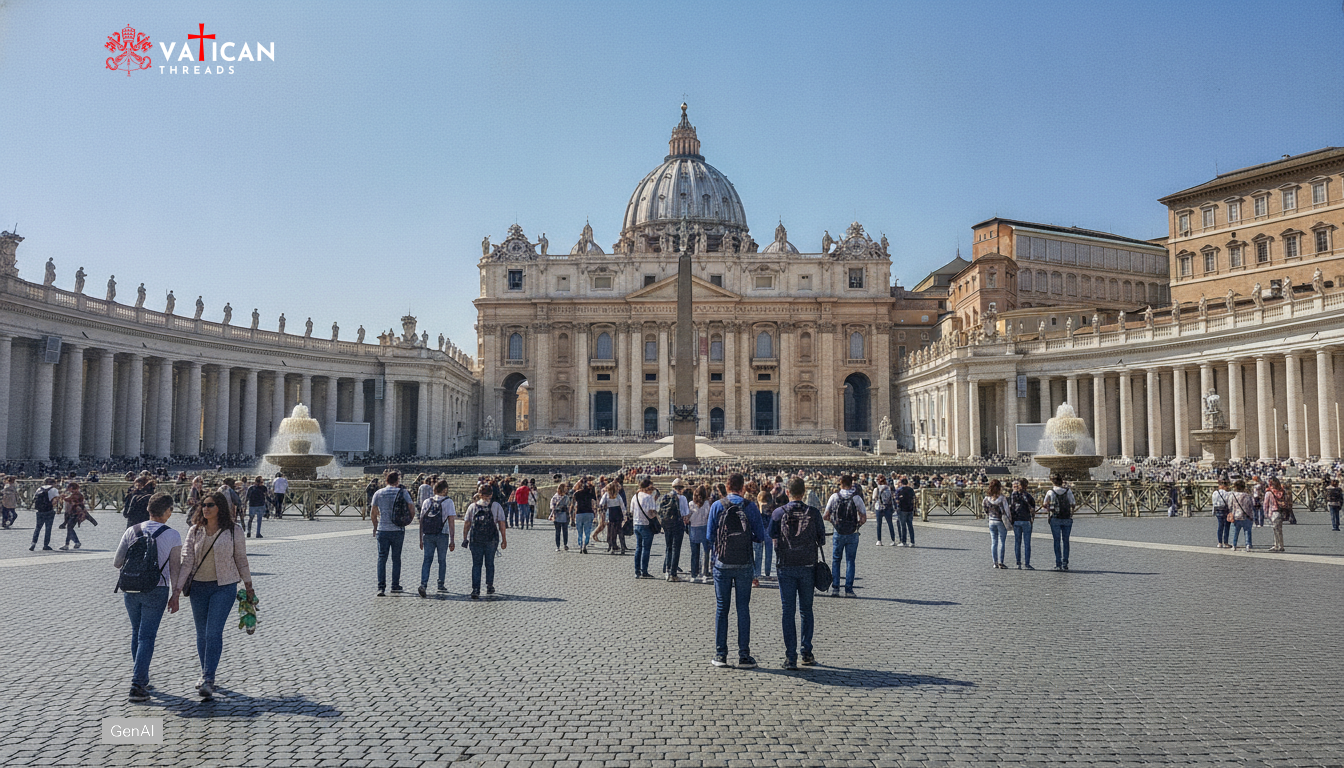
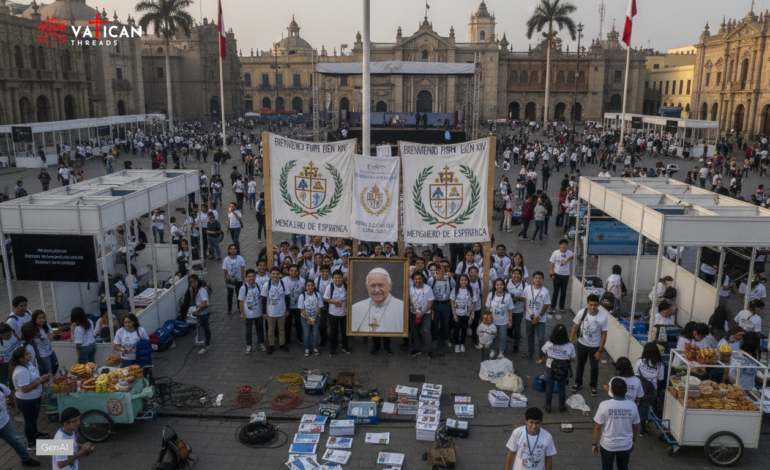
Preparations for the Pope Leo XIV visit Peru are prompting new volunteer mobilization across parishes and gathering sites, with organizers forming the ‘Friends of Leo’ group to coordinate preparations, as indicated by Vatican News coverage. Training reportedly began in August 2026, with leaders describing the work as both service and welcome, according to the same reporting. The model reportedly draws on diocesan youth networks and parish committees already active in outreach. Coordinators mention standardizing protocols for hospitality, safety, and communication across multiple locations to ensure consistency as crowds arrive. Organizers describe on-site briefings on assisting pilgrims while managing foot traffic and maintaining order in liturgical areas.
Volunteer roles: arrivals, routes, translation, and accessibility
Volunteer coordinators explain that teams are assigned to welcome desks, route guidance, translation support, and accessibility assistance for elderly attendees. In training modules highlighted by Vatican News, volunteers practice crowd flow, hydration support, and interacting respectfully with clergy and security personnel. Vatican News describes how young participants are prepared to assist pilgrims arriving from various regions, emphasizing calm service and clear directions. The portal item Luxury train Portugal plan to refit CP carriages serves as a reminder of how transport planning can influence large event access, even if unrelated. Local organizers, according to coverage, stress coordination with parish staff to maintain consistent duties across venues.
Why papal visits matter for Peru’s Church and youth
Church officials in Peru describe the upcoming trip as a chance to highlight youth participation and practical hospitality, according to reporting. Volunteers are reportedly reminded that their work is visible to visitors and local residents, potentially influencing how communities receive future church initiatives. For a broader context on Pope Leo XIV’s travels and the diplomacy they can symbolize, readers can consult Pope Leo XIV’s Visit to Metz: A Sign of Cross-Border Friendship and the associated Vatican News report on the Metz visit. Organizers indicate a focus on creating an orderly environment that supports liturgies and enables pilgrims to move safely between sites. Officials frame the visit as a test of how parish youth teams manage reception duties before large visiting crowds.
Schedule planning: shifts, entry points, and key moments
Local planning committees, as reported by Vatican News, align volunteer shifts with arrival windows, parish gatherings, and significant liturgical moments tied to the papal itinerary in Peru. Readers interested in the primary account of preparations can view Vatican News coverage of young volunteers in Peru for details on the organizing approach. To mitigate congestion, teams are said to be stationed at entry points and along corridors, with others supporting seating and information dissemination. Vatican News reports youth volunteers are given specific instructions related to the visit program, including directing attendees seeking confession, medical help, or reunification points. Rehearsal-style walk-throughs aim to minimize confusion during peak periods.
Community impact and what remains after the Pope Leo XIV visit Peru
Municipal partners and parish leaders reportedly say preparations are enhancing coordination among churches, civic services, and neighborhood groups before the Pope Leo XIV visit Peru. Volunteers are being trained to relay concerns swiftly, something that organizers believe can help mitigate minor incidents and protect vulnerable visitors in crowded areas. For related Vatican context on organized charity, see Vatican aid to Ukraine funds a solidarity kitchen. Clergy involved describe the initiative as a means for engaging young people through responsibility rather than symbolism alone, according to reporting. Although the visit is the immediate catalyst, organizers view the project as a template for sustained community volunteering linked to parish life.
1 Comment
[…] the pope leo xiv barcelona visit. Some youth offices are adapting volunteer training lessons from https://vaticanthreads.com/pope-leo-xiv-visit-peru-youth-volunteers-lead-planning/, especially around steward roles, safeguarding briefings, and how to respond calmly to crowd […]