

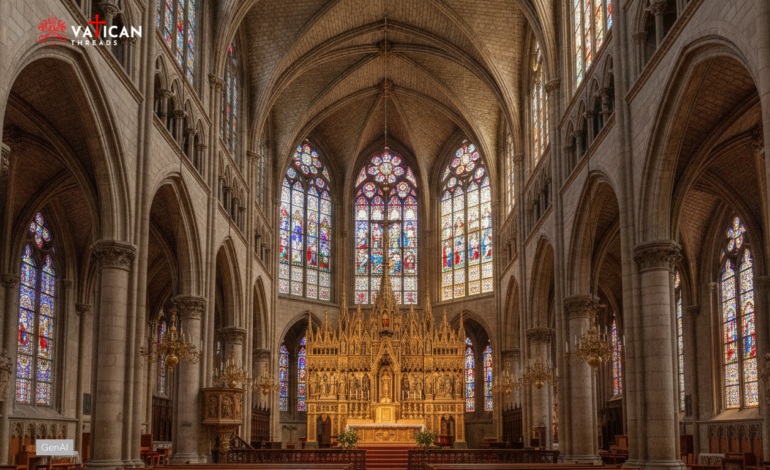

Liturgical reform: Pope Leo XIV’s call for renewal
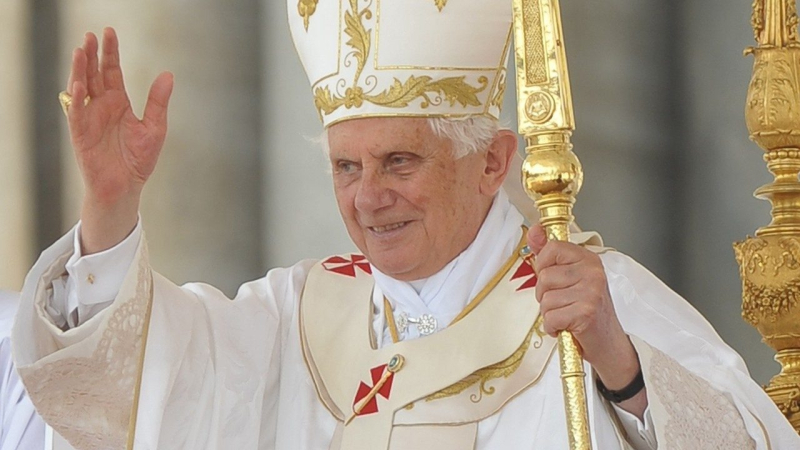
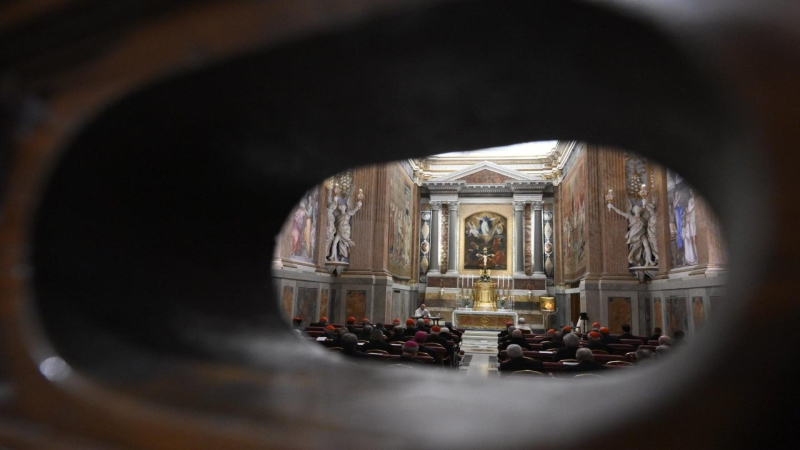
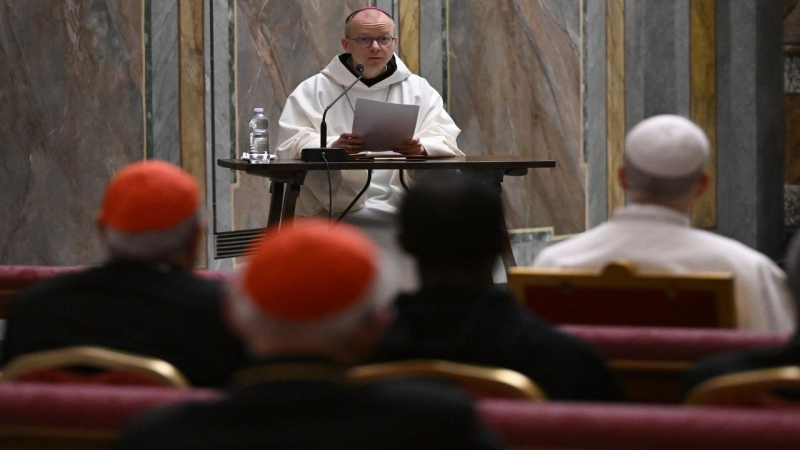
According to reports from Vatican News on his August 2026 public audience, Pope Leo XIV urged worship that forms believers through attentive listening, silence, and common prayer. In that account, he framed liturgical renewal as a pastoral responsibility meant to move the faithful beyond routine toward full and conscious participation in the Church’s rites. Vatican News summarized his catechesis as a call to active participation that opens a real relationship with God rather than mere external performance. As described in that coverage, he emphasized that reverence and simplicity can work together when ministers and assemblies understand what the rites are doing, and he encouraged ongoing catechesis so gestures, responses, and song are understood as acts of faith.
Liturgical reform and Vatican II: continuity and formation
In Vatican News’ presentation of the Pope’s themes, Leo anchored his appeal in the Second Vatican Council and its Constitution on the Sacred Liturgy, Sacrosanctum Concilium (1963), which is widely cited for linking renewal with continuity in tradition. He described this approach as fidelity to the Council’s intent, especially full, conscious participation supported by formation and stable rubrics, while noting that participation is interior and communal rather than an increase of tasks. For the Pope, as Vatican News reported it, clarity in worship begins with catechesis that explains why the Church prays as she does and how the missal’s structure teaches belief. A nearby example of how audiences process complex material when it is translated clearly appears in an unrelated topic, though drawing parallels could be distracting.
How liturgical reform strengthens faith and parish unity
In practical terms, Vatican News reported that Leo argued the renewal he seeks should deepen faith by recovering the link between the proclaimed Word and the Eucharist. Vatican News’ coverage of his broader pastoral priorities, including concern for families harmed by addiction, indicates how he ties worship to moral healing and social responsibility, as detailed in Pope: Church must help broken families heal from drug abuse. In that framing, the same Mass that gathers the Church also sends Christians into service, shaping conscience and solidarity. He also urged parish leaders to evaluate music and ritual choices by whether they foster prayer, comprehension, and unity rather than factional identity, according to that reporting.
Challenges to liturgical reform in modern practice
As characterized by Vatican News, Leo acknowledged that disputes over style, language, and roles can distract from the liturgy’s purpose when communities treat preferences as tests of fidelity. He cautioned that renewal should not be reduced to improvisation or rigid minimalism, since either can obscure the Church’s common prayer. He urged dioceses to train ministers carefully, such as lectors, musicians, and catechists, so the assembly is served rather than managed, as the same Vatican News coverage indicated. He also pointed to the need for clear teaching when new technologies influence attention and formation, a theme echoed in Church response to AI: Filipino theologians lead and in Filipino theologians explore how Church should respond to AI. His focus remained on guarding silence, language, and pacing so the rite itself evangelizes.
The future of liturgical reform in the Catholic Church
Looking ahead, Leo presented the next phase of liturgical reform as disciplined, parish-level work to make participation durable across generations, as described in Vatican News’ account of his catechesis. He said bishops and pastors should prioritize formation that connects the Sacred Liturgy to Scripture, doctrinal teaching, and the Church’s calendar so feast days and seasons are experienced as a coherent school of prayer. In his August 2026 catechesis as summarized by Vatican News, he warned that polarized debates can hollow out Eucharistic life if communities stop listening to one another and to the Church’s norms. Without announcing specific policy shifts, he placed responsibility on local leaders to model obedience to the missal and attentiveness to people, especially newcomers and the poor. He suggested judging future adjustments by whether the rites reliably lead Catholics into communion with God and one another.
3 Comments
[…] Faith & Doctrine August 27, 2026 […]
[…] Faith & Doctrine August 27, 2026 […]
[…] to programs. Related reflections on ecclesial renewal and disciplined practice can be read in Liturgical reform: Pope Leo XIV urges deeper renewal, and in Eastern Synods’ Authority to Remove Patriarchs: Insights from Pope Leo XIV, which offer […]