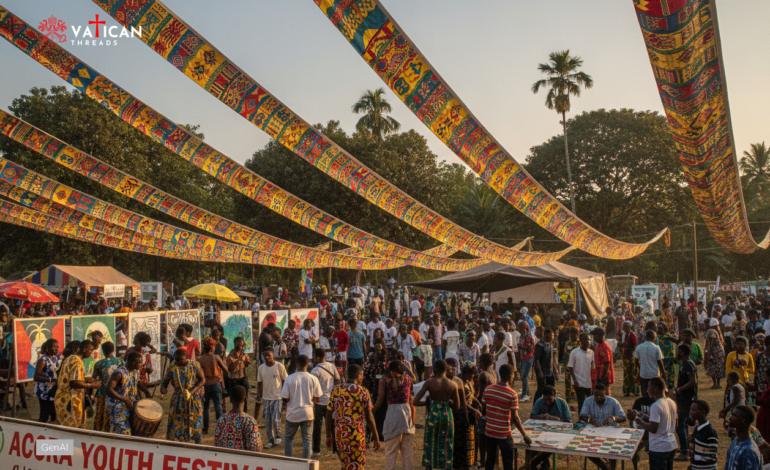

Youth Unearth Potentials in Accra Gathering
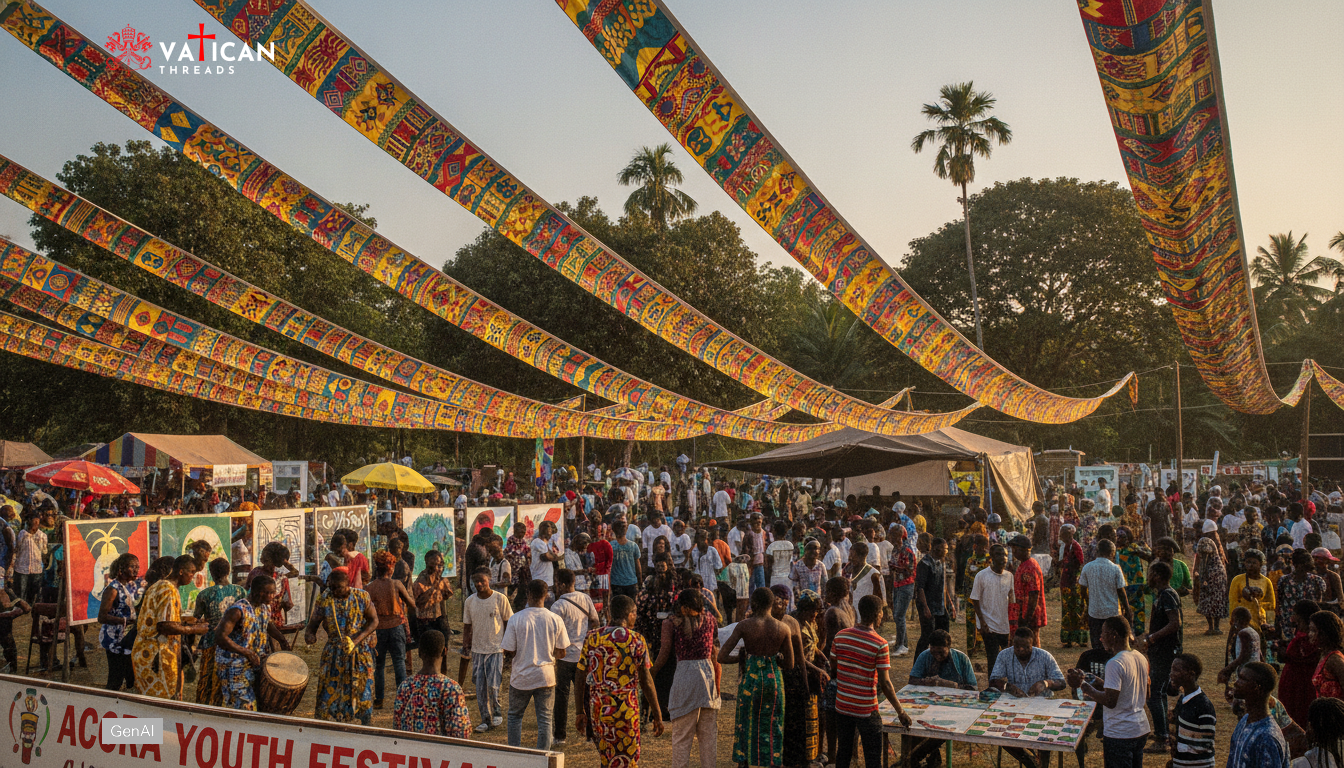
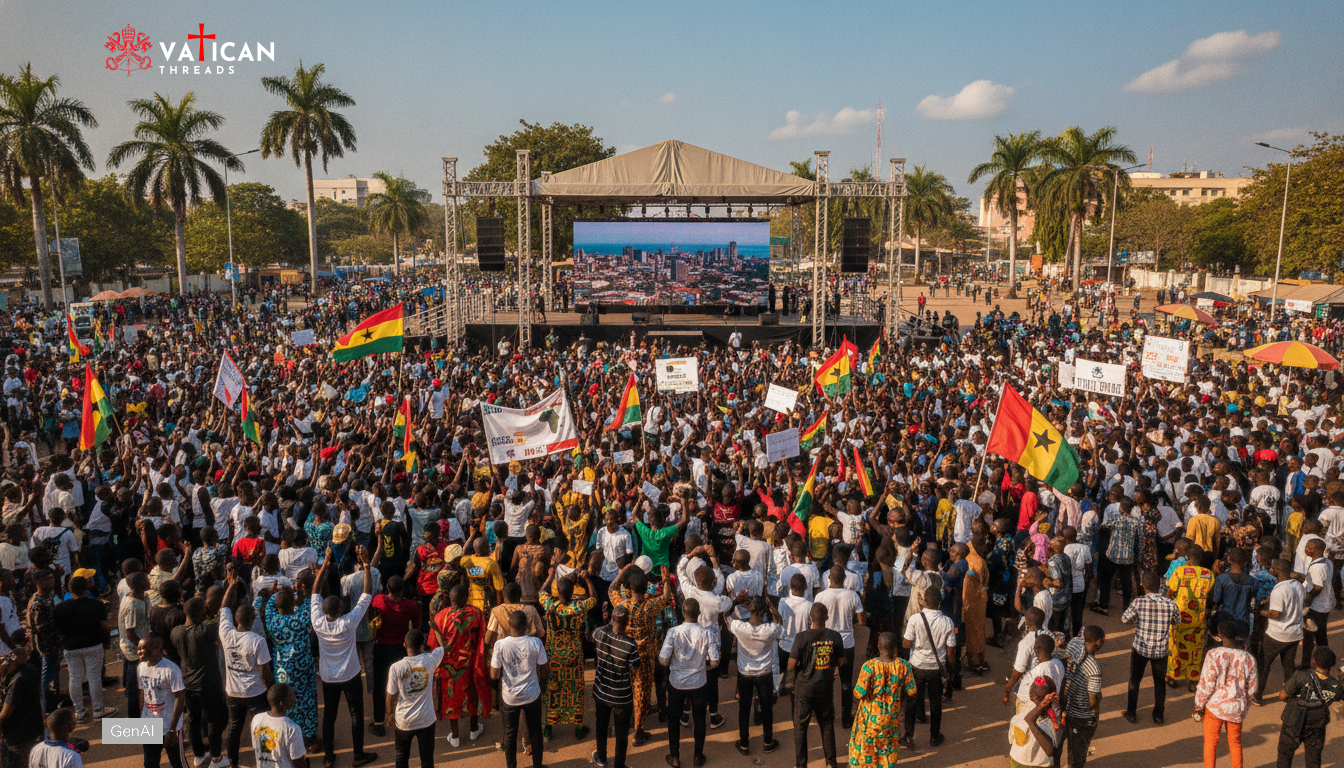
Delegations from across West Africa converged in Accra for a regional Catholic youth encounter hosted, organisers indicated, by the Ghana Catholic Bishops’ Conference and local dioceses. In the central sessions, West African Youth Days was presented by facilitators as a training space for leadership, conflict sensitivity, and community problem solving rather than a festival alone. Organisers described the meeting as a first for the subregion, with catechesis, cultural exchange, and service activities running alongside liturgy, according to event communications. Priests and lay formators reportedly led workshops on dialogue, responsible citizenship, and safeguarding in church spaces. Participants also visited parishes and community projects, organisers noted, to observe how youth ministries sustain outreach beyond large events.
Key Themes: Peace and Hope
Speakers framed the assembly around peace and hope, urging young leaders, according to organisers’ summaries, to challenge inflammatory speech and reject political manipulation. As indicated by the Ghana Catholic Bishops’ Conference in its event communications, the themes were chosen to strengthen resilience and social responsibility among Catholic youth across borders. A parallel media workshop encouraged careful verification when sharing claims online, and it referenced recent BBC coverage of a drone strike in Kyiv as a reminder of how fast misinformation can escalate. In one formation track, facilitators reportedly linked scripture reflection to local mediation skills and trauma aware accompaniment, focusing on how youth groups can calm tensions in schools and neighbourhoods. The message, as described by participants, pushed young Catholics toward constructive speech in public life during West African Youth Days sessions.
Voices from the Young Catholics
In testimonies shared during small group sessions, participants said the gathering felt different because it paired prayer with concrete commitments in home dioceses. Chaplains reportedly asked each delegation to document a follow through plan for parish youth councils and campus chaplaincies, and moderators explained these would be reviewed after the event. Several youth leaders linked their motivation to regional solidarity, saying the West African Youth Days encounter helped them see common challenges in employment, security, and community trust. A separate reading circle pointed participants to an unrelated but instructive example of youth economic pressure, using Young people car ownership drops in Portugal as costs rise as a case study for how costs shape real life choices. In the middle of these exchanges, some participants described the meeting as a platform to keep contact through joint projects and shared formation resources.
Impact on Regional Unity
Pastoral leaders in Accra treated the meeting as an instrument of regional unity, emphasising, according to organisers’ remarks, that shared worship can open doors for cross border cooperation that politics often does not sustain. The Vatican focus surfaced through a brief reflection on papal priorities for the region, and participants were directed to Pope Leo XIV Calls West African Youth to Peace for context on the church’s consistent appeal for nonviolence. Coordinators said language barriers were addressed through interpretation teams and mixed country groups so that young people could practice listening across differences. Formation sessions on peacebuilding highlighted, facilitators said, that church networks already operate across West Africa through dioceses, religious congregations, and Catholic schools, making youth collaboration feasible if it is properly organised. Leaders also cautioned, according to session notes, that unity requires transparent governance in youth structures and safe reporting channels during West African Youth Days follow-up work.
Future Prospects for Youth Engagement
Organisers closed by outlining next steps aimed at keeping momentum through diocesan reporting cycles and shared calendars for formation, according to closing remarks in Accra. The Ghana Catholic Bishops’ Conference encouraged delegations, as suggested by its event communications, to prioritise training for facilitators who can run parish level listening circles, especially where ethnic or political divisions are sharp. In planning conversations, organisers described West African Youth Days as a framework that could be repeated with stronger youth led governance and clearer safeguarding standards. Regional coordinators said communication channels would continue so that ideas from the Accra regional gathering can translate into projects such as tutoring, reconciliation visits, and joint liturgical celebrations hosted in rotation. Priests reminded participants, according to attendees’ summaries, that large events only matter if they produce consistent service in local communities. The final sessions stressed accountability, including documenting outcomes and publicly sharing what was actually delivered, organisers said.