


What the Archbishop consecration means in Chongqing
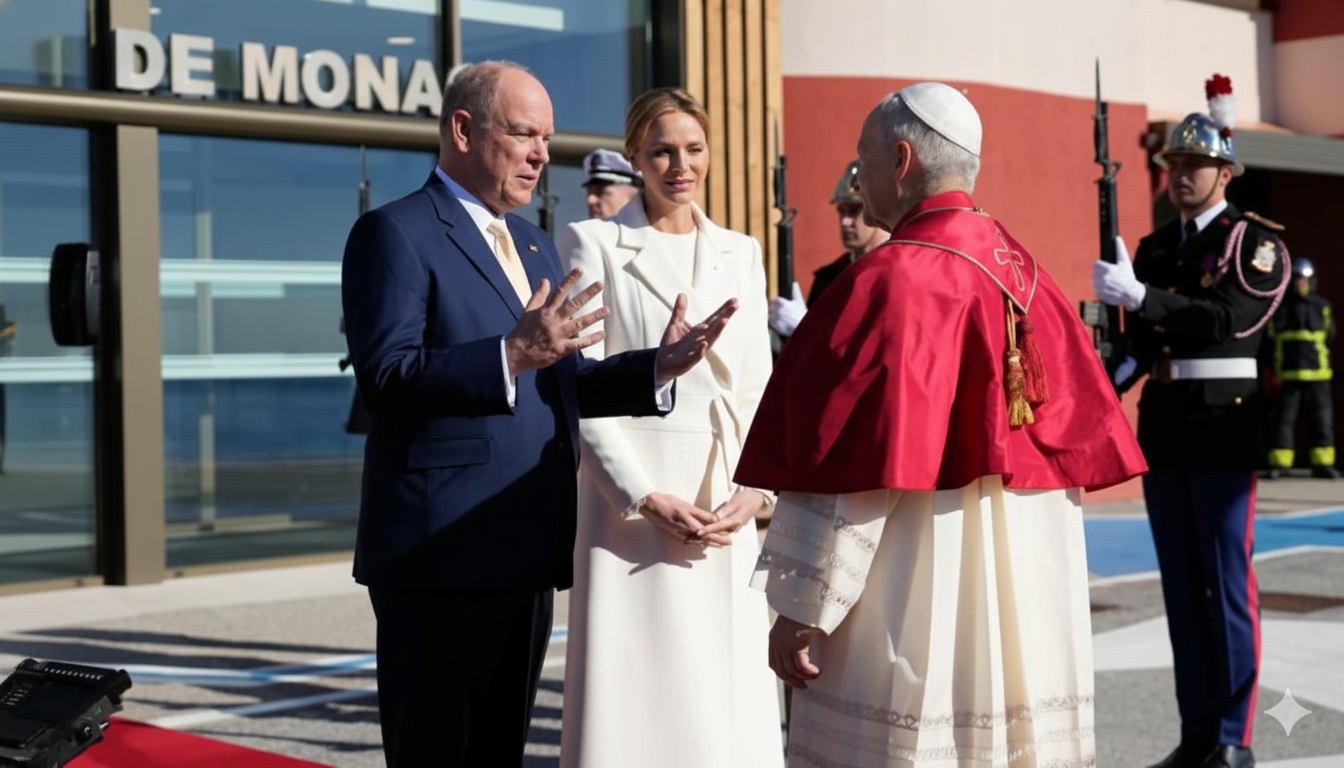
Archbishop consecration in Chongqing has become a practical test of the Vatican-China agreement on appointing bishops and of how the Holy See signals legitimacy in public. The ceremony, reported in September 2026, matters less as a headline moment than as a visible act of Church governance carried out through an agreed channel. For Catholics on the ground, it can clarify who holds pastoral authority and reduce uncertainty in diocesan administration. For Rome and Beijing, it also shows whether procedures can operate without parallel structures, and the Archbishop consecration has become a reference point for whether that process is publicly legible. The event’s significance therefore sits at the intersection of sacramental life, canon law, and diplomacy.
Context of the Vatican-China agreement on bishops
The consecration unfolded within the operational framework of the Vatican-China agreement on the appointment of bishops, which both sides have treated as a reference point for managing contested questions of authority. In practice, the mechanism aims to prevent competing lines of leadership within Catholic communities by creating a recognized path for nominations and approval. For a compliance comparison in a different policy area, see Australia NFT Regulation: Sept. 30 Licensing Deadline, and Vatican officials regularly stress that episcopal appointments touch the Church’s governance and sacramental order, so procedure and legitimacy are central. In this case, the public framing signaled recognition rather than ambiguity, reinforcing that the agreement remains in force.
Appointment of Andrea Ding Yang and the official report
According to Vatican News, the consecration of Andrea Ding Yang as Archbishop of Chongqing in September 2026 is part of the recognized process for episcopal leadership. The report situates the event within the wider Vatican-China agreement designed to avoid parallel authority inside Catholic communities, as detailed in Archbishop of Chongqing consecrated in China. Rather than presenting it as a diplomatic breakthrough, the coverage treats it as a concrete act of Church governance that is publicly visible and formally framed. Interpretation has also been shaped by Pope Leo XIV’s emphasis on stable institutional channels, reflected in related reporting such as Pope Leo XIV meets Latvia President at the Vatican.
Implications for Vatican-China relations and Church governance
For Vatican-China relations, one of the most immediate implications might be procedural: a recognized consecration could reduce uncertainty for clergy and faithful about legitimate pastoral authority. Vatican News has treated the Chongqing ceremony as continuity, which might matter because steady practice is often the strongest test of contested arrangements. A fuller institutional picture sits alongside governance reporting, including Synod: Reports published on relations between bishops, consecrated life, and ad limina visits, and references to Pope Leo XIV have influenced interpretation, since episcopal appointments remain a core expression of papal responsibility in Catholic governance. On the Vatican side, the event aligns with a preference for structured channels over informal fixes, even when communication is difficult, with related VaticanThreads analysis such as Bishop Scott McCaig warns neutrality can curb religion.
Future prospects and challenges after Chongqing
The longer-term question concerns whether repeated, orderly appointments can build predictability without diluting either side’s stated principles. Wider Vatican messaging on peace and witness, including Pope to West African youth: Bear witness to peace, love amid conflicts, continues to shape how such governance steps are received. The Vatican-China agreement, as applied in cases like Chongqing, might put pressure on implementation details such as consultation, recognition, and public framing that signals legitimacy to local Catholics. The ceremony provides a benchmark for future cases, since each successful instance can either normalize cooperation or highlight remaining friction points, alongside Pope Leo XIV Calls West African Youth to Peace. Pastoral challenges remain: bishops must govern dioceses in a highly regulated environment while maintaining communion with Rome, a balance requiring prudence and clarity.