

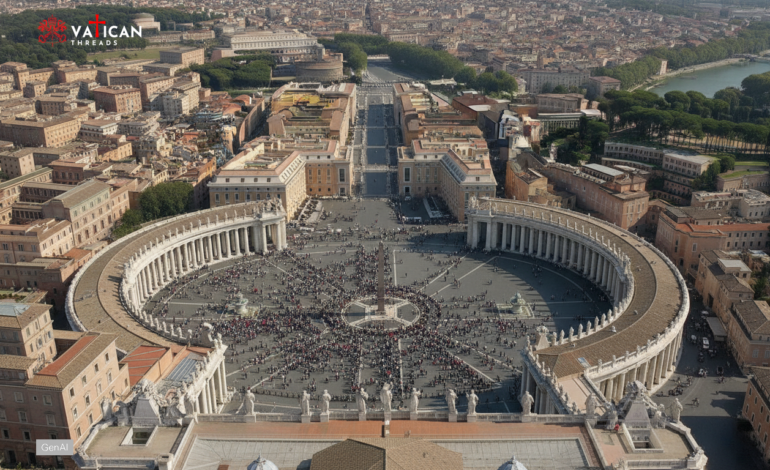

Pope-Diocese relations: Reina on synodality in Rome
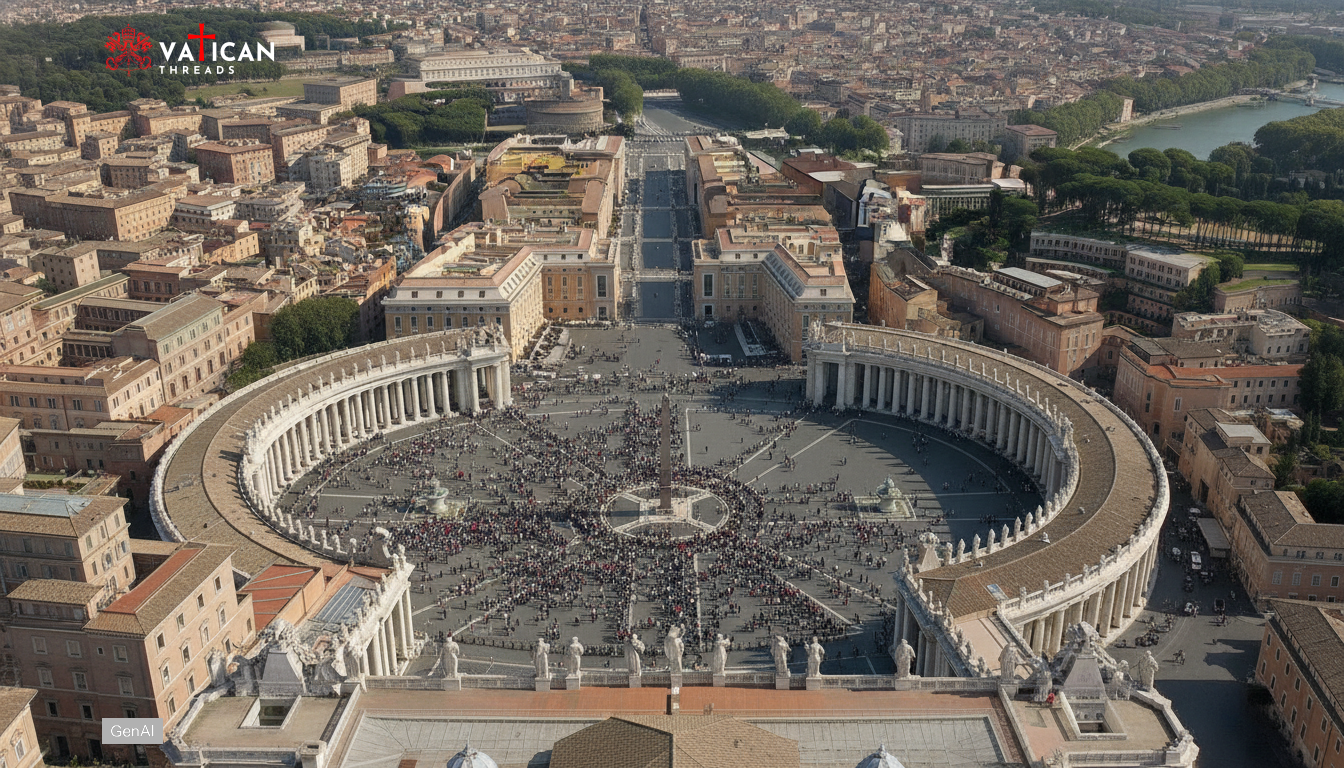
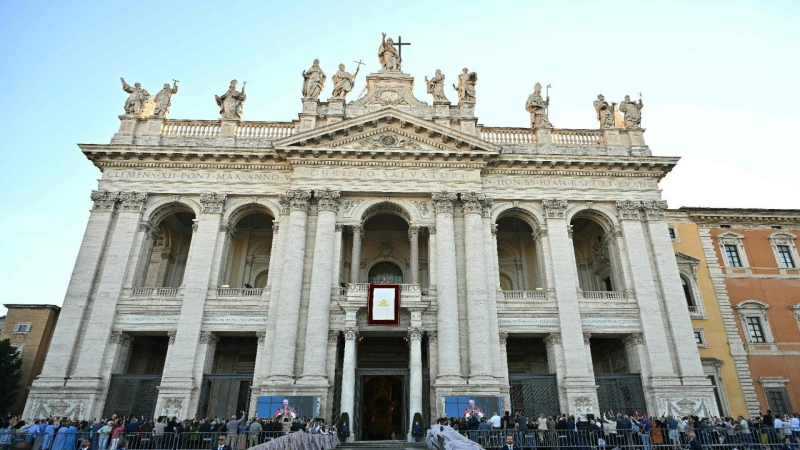
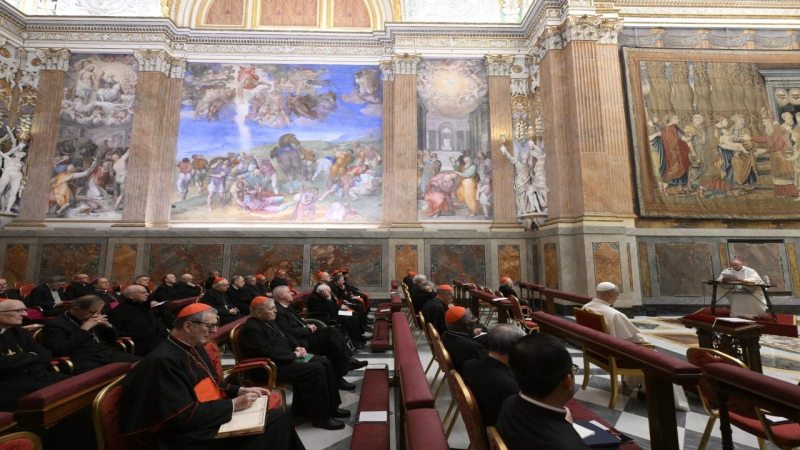
The bond between the Pope and Rome’s local Church was at the center of Cardinal Baldassare Reina’s appeal for synodality to be treated as a concrete pastoral method, not a slogan. In remarks reported by Vatican News in September 2026, he urged parishes and diocesan offices to practice listening, shared discernment, and accountability as regular habits. He argued that this approach should be visible at street level, where clergy and lay leaders meet families, migrants, and workers. According to available reports, Reina described the effort as disciplined, coordinated work for the whole city, rather than a one-time campaign driven by events, suggesting a sustainable model for urban pastoral care.
Why the Bishop of Rome needs strong links with his diocese
Reina underscored that the Bishop of Rome’s relationship with his own diocese is a sign watched well beyond Italy. In the same September 2026 context, as reported by Vatican News, he insisted that pastoral proximity matters as much as public gestures, and that diocesan coherence supports wider credibility for Vatican synodality. He also urged diocesan leaders to keep channels open with the Pope’s pastoral priorities so initiatives reflect real parish experience. For context on his remarks, readers can consult Vatican News coverage of Reina on the bond with Rome. As a parallel example of how large systems must keep priorities clear under strain, he pointed to the need for alignment similar to issues discussed in EU budget agreement: Portugal and Ireland seek deal.
Local pressures shaping coordination in Rome
Reina pointed to pressures that parishes in the Rome diocese confront, including poverty, fragmented neighborhoods, and people slipping away from community life, according to Vatican News. He framed these realities as pastoral facts that require coordinated responses across charities, catechesis, and parish governance, rather than isolated projects. Related background on Vatican engagement with social issues is available at Holy See UN address: Hate Speech Challenge at UN. In that discussion, Pope-Diocese relations were presented as a practical partnership that helps local leaders sustain attention on people who are easily missed or marginalized. He stressed that the synod on synodality should sharpen, not dilute, concrete commitments in Rome’s parishes, especially where social need is persistent and parish capacity is stretched.
Combating loneliness through parish listening and presence
Reina highlighted loneliness as a pastoral emergency that can hide behind full streets and busy schedules, as Vatican News described. He urged parishes, movements, and Catholic associations to build steady networks of presence through visits, listening spaces, and collaboration with local services. Related Vatican coverage on church engagement and moral formation can be found at Pope Leo XIV urges charity through fraternal correction. He connected this work to clergy formation and parish planning so it is not left to informal goodwill alone. In his emphasis, closer Pope-and-diocese ties were linked to synodal listening that identifies who is isolated and why, especially among elderly residents and newcomers.
Next steps to strengthen collaboration after the synod
Looking ahead, Reina called for clear priorities and measurable follow-through across diocesan offices, vicariates, and parishes, echoing themes Vatican News associated with his intervention. He urged leaders to maintain a steady rhythm of consultation so decisions reflect the lived reality of communities. Additional context on Vatican institutional steps can be found at Vatican Apostolic Archive Expansion Ordered by Pope Leo XIV. He emphasized that strengthening links with the Pope should not depend on special occasions, but on regular pastoral coordination, transparent communication, and shared responsibility for mission. In this forward plan, the relationship between Rome’s parishes and their bishop was framed as a safeguard against fragmentation, keeping citywide initiatives connected to parish-level needs. He also indicated that the synod on synodality should leave Rome with stronger habits of listening and collaboration, so the diocese can accompany people consistently while remaining visibly united with its bishop.
1 Comment
[…] Pope September 17, 2026 […]