

Holy See UN address: El Kassis opens UN role
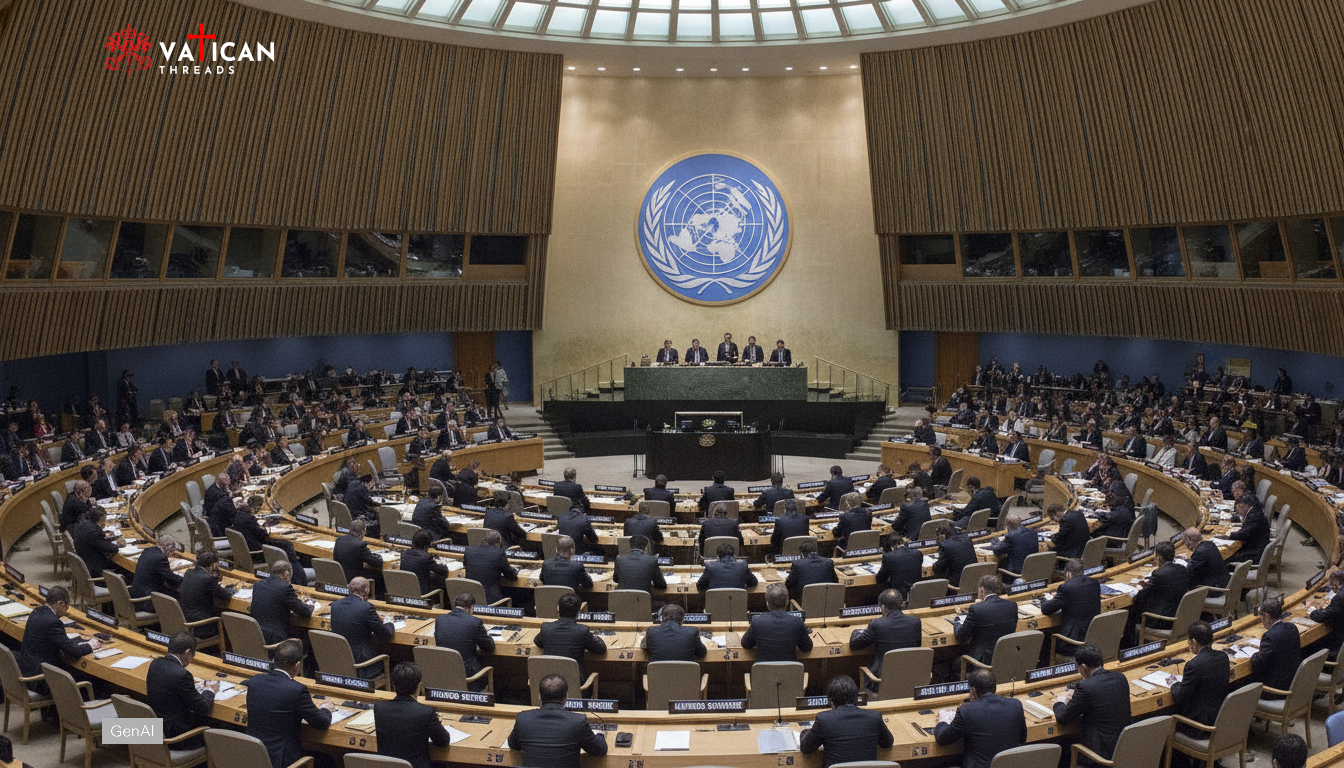
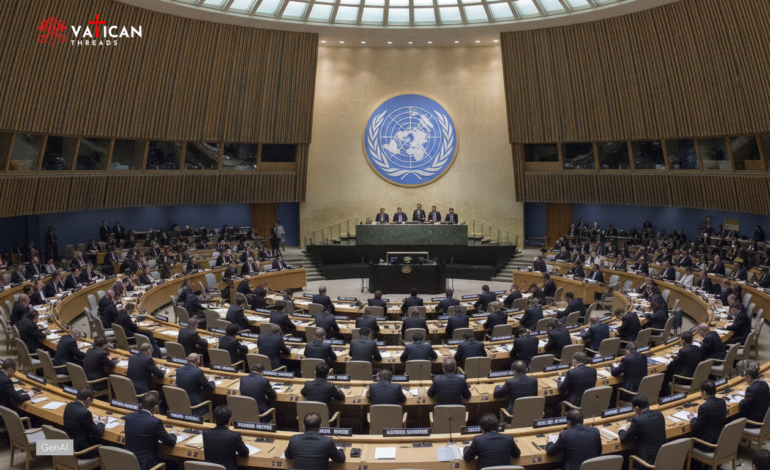
In New York, when Archbishop El Kassis was introduced as the Holy See’s Permanent Observer to the United Nations, a Holy See statement drew attention in September 2026. In remarks summarized in Vatican News coverage of El Kassis at the UN, he suggested that hate speech may not be treated as authentic free expression when it dehumanizes people or fuels discrimination. Vatican News presented the intervention as focused on human dignity and proportionate legal safeguards rather than blanket censorship, while aiming to keep civic debate open alongside clearer norms against incitement.
How the Holy See defines hate speech in the UN context
Diplomats at UN headquarters were urged to consider hate speech as a driver of real-world harm rather than as mere rhetoric, according to the Vatican News account. In those remarks, El Kassis linked hostile speech climates to pressure on minorities and asked delegations to consider legal guardrails consistent with international human rights law, including proportionality and due process. He also stressed the need for clear definitions to reduce the risk of politicized enforcement, a theme echoed in AI national security risks: UK minister urges guardrails as comparable “guardrails” debates appear in other policy areas.
Church approach to expression, responsibility, and dignity
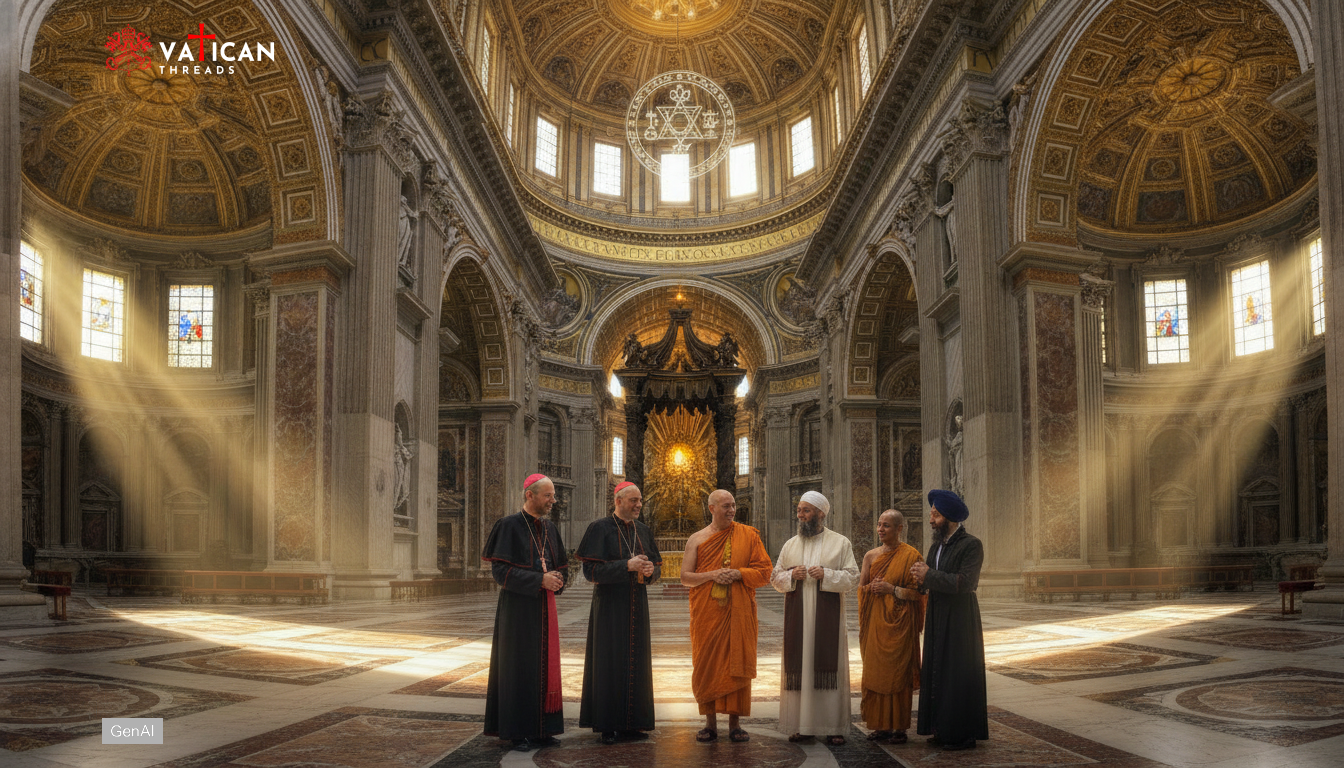
Church officials have long framed speech questions through moral responsibility as well as legal protections in multilateral diplomacy. The Holy See’s delegation has repeatedly defended conscience and open debate while rejecting rhetoric that vilifies people for race, religion, or nationality. In this framing, as summarized by Vatican News, the Holy See UN address draws a line at speech that intends—or predictably results in—incitement, intimidation, or social exclusion. The approach is also shaped by interreligious engagement, where language choices can have direct consequences for communities on the ground, including themes in Nostra aetate at 60: Renewing Interfaith Ties.
International reactions and the UN policy debate
Reactions among member states commonly center on two questions: how to define hate speech without chilling dissent, and how to enforce limits without politicizing them. Vatican diplomats signaled openness to cooperation with relevant UN actors and member states already working on incitement standards, according to the Vatican News report. That coverage placed the quoted line, “Hate speech is not freedom of expression,” within ongoing UN discussions on discrimination and violence prevention, and highlighted it in the context of New York-based debates.
What comes next after the intervention
Following the intervention, the mission may press for clearer distinctions between protected expression and advocacy that targets persons or groups for harm, while urging transparent safeguards and judicial oversight. Any next steps will depend on UN processes and member-state negotiations. Observers close to the delegation described the emphasis as institutional: strengthening norms that reduce discriminatory incitement without undermining political criticism or religious debate, as characterized in the Vatican News summary. In future UN sessions, after the Holy See UN address, the Holy See’s team could seek coalitions around definitions, remedies, and victim-centered protections, with related Vatican context discussed in Pope Leo XIV urges charity through fraternal correction.
2 Comments
[…] Vatican Affairs September 17, 2026 […]
[…] Vatican Affairs September 17, 2026 […]