



Religious education AI seminar in Burundi
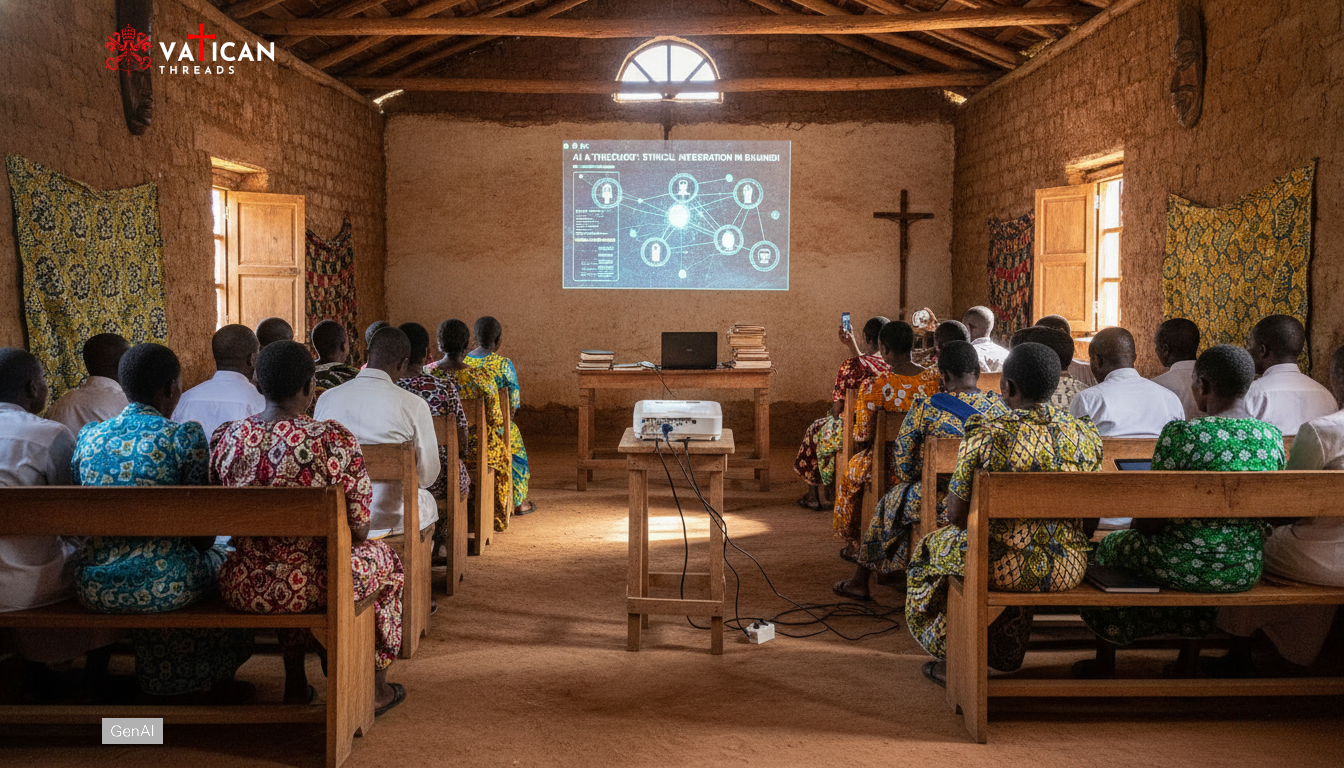
Religious formators in Burundi convened for a seminar designed to turn an abstract idea into concrete formation practice. The gathering reportedly ran over two days in 2026, with trainers comparing how generative tools might support lesson planning, reading schedules, and assessment drafts, while outlining boundaries for what must remain a human pastoral task. Participants worked through common classroom scenarios to consider workflow changes, supervision responsibilities, and learning outcomes for religious education AI. Facilitators said catechesis should not be reduced to automation because discernment and accompaniment require accountability and context. The sessions ended, as indicated by organizers, with a shared approach for testing tools against formation goals rather than novelty alone.
Classroom impacts and governance in Catholic schools
Pedagogy sessions focused on how AI may affect preparation time, verification standards, and student expectations in formation houses and Catholic schools, according to available reports from seminar organizers. Organizers also pointed to market volatility and product changes that can reshape what schools can afford and support. The seminar framed religious education AI as a governance issue as much as a teaching aid, linking it to supervision protocols for citations, plagiarism checks, and source validation, citing Global Technology Markets: AI Slowdown Resets Pricing. Practical exercises reportedly trained students to request evidence, spot hallucinations, and document references. Facilitators spoke of any classroom use being reversible if it weakens learning integrity.
Church guidance shaping an AI policy framework
Discussion then turned to how Catholic social teaching can inform institutional decisions about AI where dignity, truthfulness, and the common good are at stake, according to participants’ summaries. Participants linked these concerns to the Holy See’s public diplomacy on digital harms through Holy See UN address: Hate Speech Challenge at UN and to formation leadership expectations in Pope-Diocese relations: Cardinal Reina urges closer bonds. Rather than repeating slogans, facilitators described translating principles into operational rules, including when teachers should disclose AI assistance and how to preserve a student’s authentic voice. They expressed that AI support is acceptable only when it strengthens human formation and protects vulnerable learners.
Risks, data safeguards, and verification routines
A dedicated block addressed risks formators said they already encounter, including fabricated citations, overconfident outputs, and the temptation to outsource reflection. Trainers advised that AI-assisted material should be traceable to primary texts before use in theology or Scripture courses, and they practiced prompt revisions intended to reduce bias in pastoral case studies. For a reference point on the wider safety ecosystem, facilitators cited Base Labs launches an open-weight AI safety partnership with Hugging Face and Goodfire. Data protection was presented as a moral and legal duty, with guidance to avoid uploading sensitive pastoral details or student records into third-party tools, as indicated by facilitators. Participants expressed that errors should be logged for continuous improvement.
Next steps for religious education AI implementation
Organizers closed by outlining next steps focused on implementation, evaluation, and staff readiness rather than new theory, as noted by organizers. The seminar proposed pilot classrooms with clear learning objectives, routine audits of materials, and a shared repository of approved prompts and reference standards for religious education AI use. Coordinators emphasized the need for measurable indicators to test whether tools improve comprehension, writing discipline, and ethical reasoning while protecting the contemplative dimension of study. Participants mentioned nominating focal persons in each institution to review incidents, coach teachers, and maintain documentation for leadership oversight. They also encouraged coordination with local education authorities so privacy and academic honesty language remains consistent across systems.