


Pope Leo XIV’s vision for responsible AI development
According to available reports, Pope Leo XIV is refining the Vatican’s public line on technology by tying it to the Church’s diplomatic and pastoral priorities. In a message carried by Vatican News in September 2026, he suggested that artificial intelligence should remain accountable to moral judgment, protect the vulnerable, and contribute to social peace. In that framing, the key test is whether innovation can be measured against the dignity of persons rather than efficiency alone. The same Vatican News report warns against systems that amplify conflict, manipulation, or exclusion when deployed without transparent responsibility, placing duties on designers, governments, and educators to set enforceable guardrails before harms become entrenched.
AI and peacebuilding through human bonds
Building on that message, the Vatican’s approach is positioned as practical governance, not a slogan, with emphasis on relationships that technology can either strengthen or erode. In the Vatican News report Pope Leo XIV: AI must serve human dignity and strengthen peace, the Pope links peace to communication that respects truth and the common good. He describes AI and human dignity as inseparable when tools shape access to services, education, and information flows, and a related market lens on incentives and deployment cycles appears in Global Technology Markets: AI Slowdown Resets Pricing, underscoring why accountability debates can sharpen as investment resets.
Formation, education, and governance for Vatican AI ethics
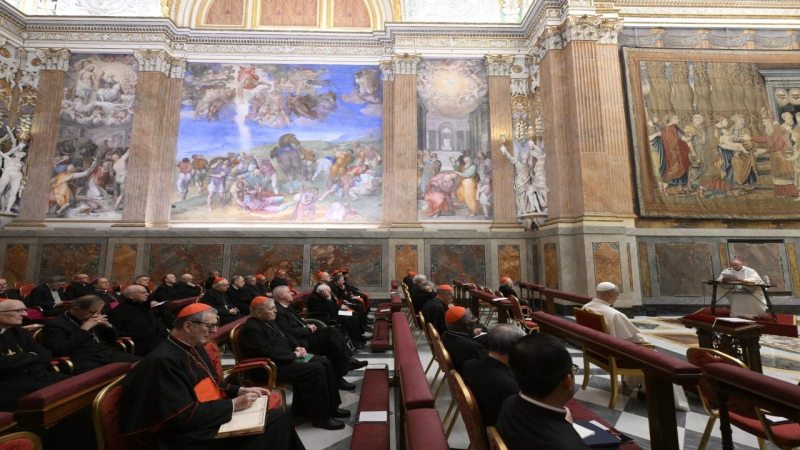
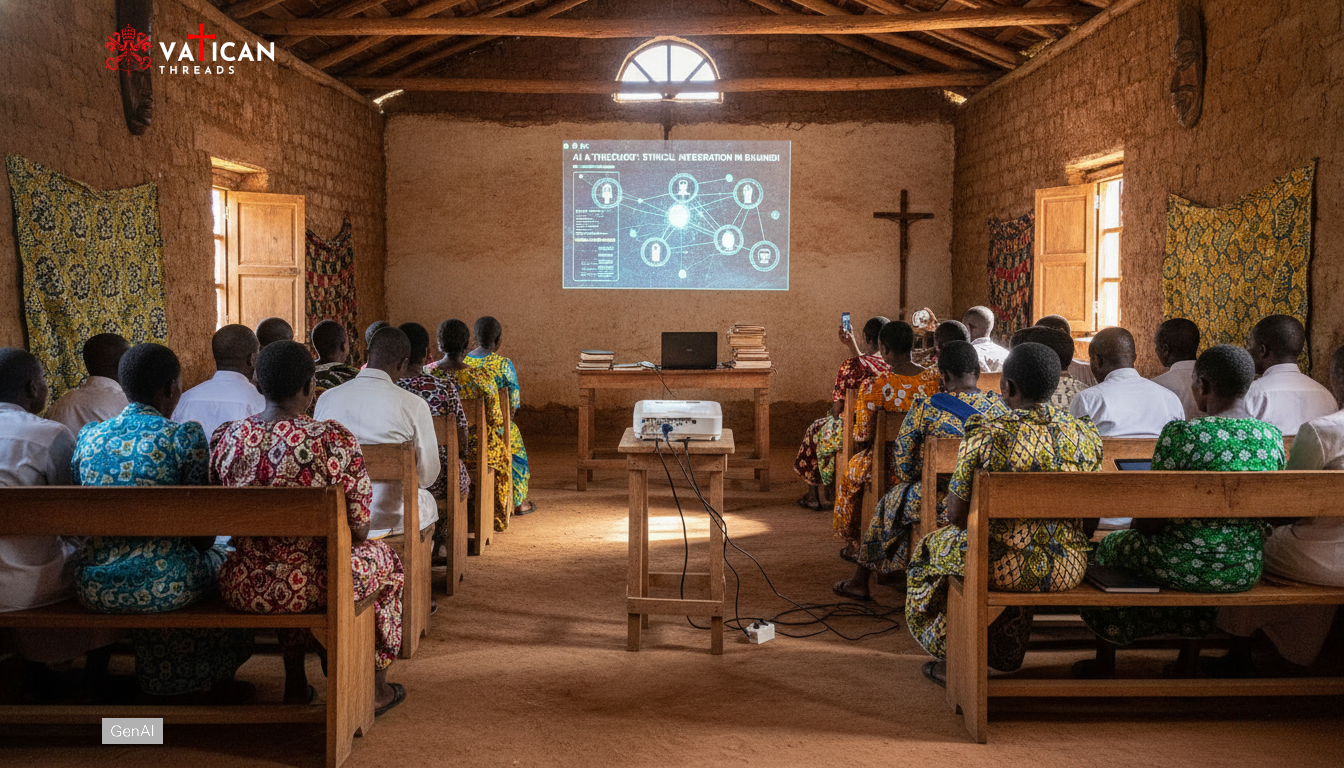
Pope Leo’s approach is also being translated into formation and institutional practice, especially where educators and clergy need shared language about risk and conscience. In September 2026, Vatican News reported his institutional engagement in Pope Leo XIV visits Dicastery for Culture and Education, underlining the role of teaching in shaping culture and public ethics. A concrete example of classroom experimentation appears in Religious education AI: Burundi formators test classroom use, showing formation settings already testing boundaries. For a wider institutional context on how oversight is implemented, see Diocese of Rome pastoral evaluation ordered by Pope Leo, which situates ethical debates within broader questions of ecology, development, and governance.
Doctrine and accountability in Catholic tech ethics
The doctrinal implication emphasized in Pope Leo AI ethics is that moral agency may not be outsourced, even when systems appear predictive or authoritative. As indicated by the Vatican News message, Pope Leo AI ethics is presented as a foundational baseline, suggesting any technological benefit is morally insufficient if it normalizes coercion, surveillance, or discrimination. Catholic ethicists often express this through social teaching on the person and the common good, treating human beings as subjects of rights and duties rather than objects of optimization. Related diplomatic concerns about communication harms appear in Holy See UN address: Hate Speech Challenge at UN, and this framework also reshapes how institutions discuss persuasion and truth when AI mediates speech and attention.
Next steps for Church engagement on AI
Looking ahead, the Pope’s AI agenda is expected to keep combining diplomacy, education, and convening power, with peace as the organizing objective. Vatican News has described initiatives that bring international actors together for dialogue, including ‘Borgo Dialogues’ bring global leaders together in New York, which situates ethical debates within broader questions of ecology, development, and governance. The direction implied by the Pope’s message is a push for international norms that can be audited, enforced, and communicated to ordinary users, not just experts. He is also pressing for a culture that values human work and creativity while resisting automated systems that flatten responsibility across supply chains.