

Pope Leo XIV Consistory: What It Set in Motion
The pope leo xiv consistory was presented as a reference point for near-term Vatican leadership priorities and the pace of internal reforms. According to available reports, it was used as a marker for how offices might sequence projects, assign responsibilities, and coordinate communications across dicasteries. That framing, as described by Vatican officials, also shaped how Pope Leo XIV’s subsequent meeting at the Dicastery for Culture and Education was presented publicly as part of routine curial visits. Officials said they viewed the consistory’s practical effect in terms of timelines, staffing expectations, and accountability. More broadly, Vatican staff suggested that culture and education work would be assessed against defined outputs rather than only general statements.
How the Consistory Shaped the Dicastery Visit
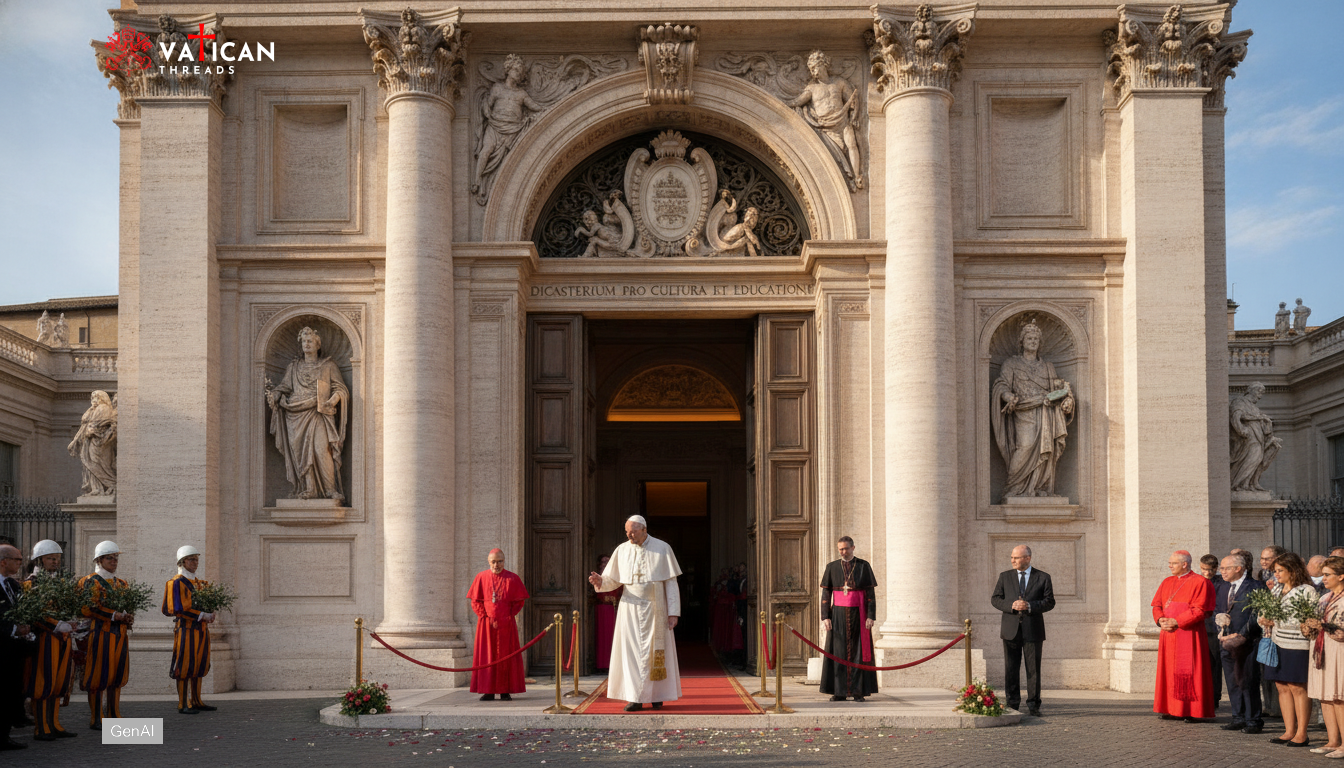
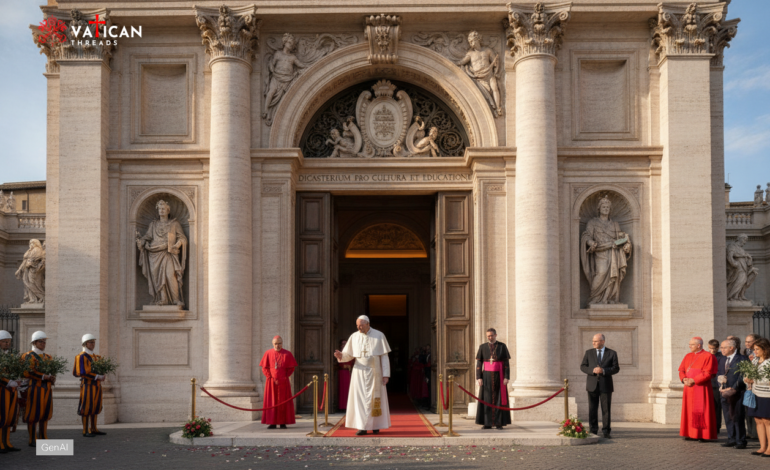
Pope Leo XIV arrived at the Dicastery for Culture and Education for meetings focused on priorities, internal coordination, and follow-through, according to Vatican communications covering the encounter. Vatican News described the meeting as a review of projects already underway, with section leaders outlining current cultural programming and academic partnerships. A related snapshot of pressures on diplomatic and humanitarian messaging appears in this Vatican News report: Middle East governments brace for possible escalation. During the discussion, aides reportedly pointed back to the consistory as a moment that helped clarify personnel choices and project timing across the curia, including this dicastery’s calendar. Officials said the Pope asked that responsibilities be clearly assigned to offices and that public messaging remain precise across languages. Vatican media reporting indicated the visit concluded with brief exchanges in shared work areas.
Culture Priorities After the Consistory
Officials framed culture as a frontline arena where the Church engages artists, scholars, and civic institutions without weakening doctrine. In internal remarks described by staff, the consistory was cited as reinforcing an expectation that cultural outreach remain intellectually credible and pastorally grounded, not merely ceremonial. For additional context on how institutions respond to technology and shifting markets, see Global Technology Markets: AI Slowdown Resets Pricing. Vatican staff said Pope Leo XIV pressed for programs that translate liturgical imagination into contemporary language through museums, media, and public forums, and for outcomes that could be evaluated initiative by initiative. He also reportedly emphasized disciplined communication practices, noting that cultural dossiers can involve sensitive reputational risks. Staff said his tone was direct and focused on execution and clarity.
Education Initiatives Linked to Consistory Mandates
Education emerged as a pastoral priority tied to catechesis, universities, and the global Catholic school network, according to Vatican officials familiar with the dicastery’s portfolio. Leadership described the dicastery’s role as coordinating with academic institutions and advising on educational policy, with an emphasis on standards intended to be implemented locally. In that policy lane, officials said the pope leo xiv consistory was treated as a reference point for strengthening guidance and supporting bishops who need expert assistance. Related coverage of Vatican planning on ethics and governance appears here: Pope Leo AI ethics: peace mission for responsible AI. Vatican staff indicated Pope Leo XIV asked that curricula remain rigorous while attentive to cultural realities, and that partnerships include transparent evaluation benchmarks. He also reportedly urged careful stewardship of archives and scholarly resources.
Staff Message and Next Steps After the Consistory
At the close of the visit, Vatican personnel said Pope Leo XIV addressed employees with a brief message emphasizing accountability, collegiality, and respect for professional expertise at the Dicastery for Culture and Education in Vatican City. According to staff who relayed the remarks, he connected daily office work to the Church’s public credibility, arguing that editorial review, translation, and documentation shape how the Gospel is heard beyond the Vatican. Readers following related governance moves may also see: Diocese of Rome pastoral evaluation ordered by Pope Leo. According to available reports, he thanked teams for discretion in handling sensitive cultural files and encouraged steady morale under deadline pressure. Aides described these expectations as consistent with the direction set during the consistory, pointing to clearer lines of responsibility and stronger internal coordination. Vatican communications described the visit as part of a broader pattern of direct contact with curial departments.