
Spain Migration Crisis: What’s Driving Pressure at Borders
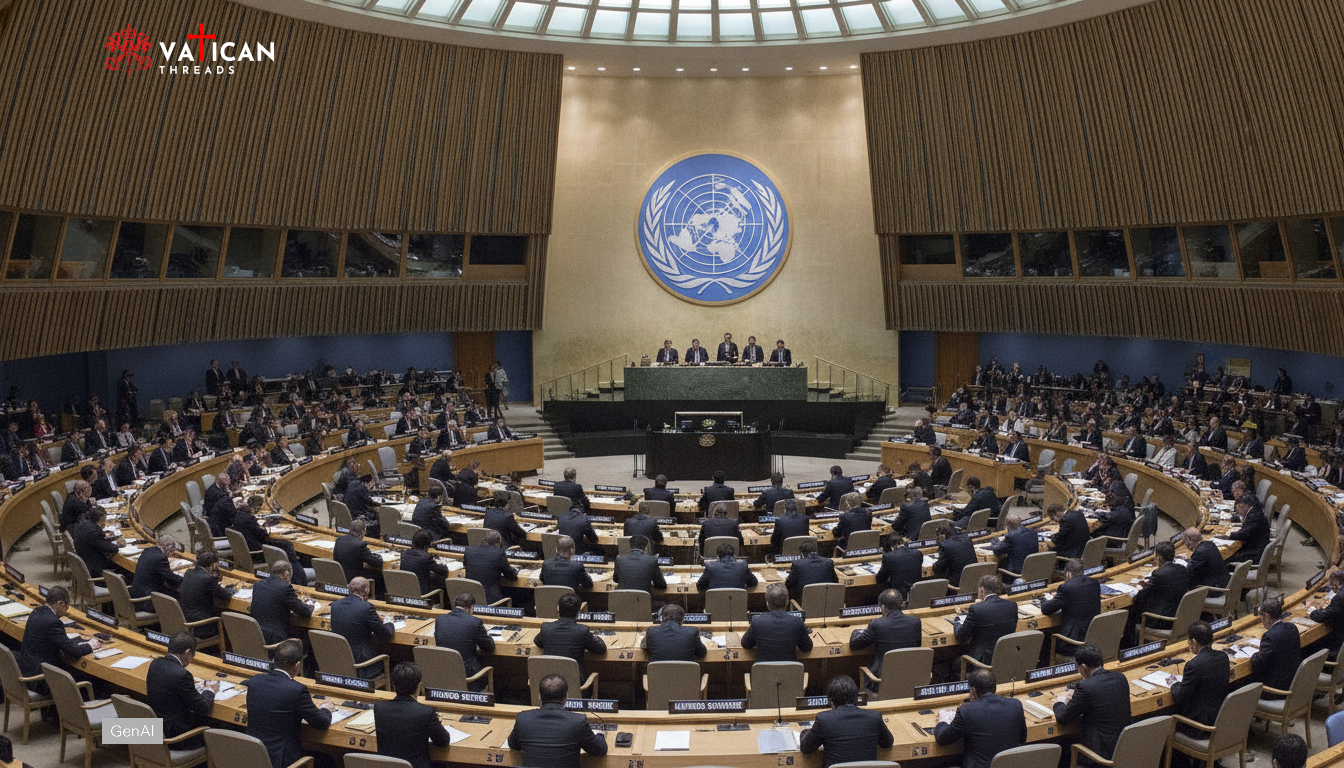
The spain migration crisis is broader than any single border point, but Ceuta has become a visible pressure valve as sea and land routes concentrate arrivals into limited facilities. As indicated by Vatican communications in August 2026, Pope Leo XIV is reported to have expressed concern and urged authorities to protect human dignity while maintaining public order and legal safeguards. Because Vatican communications summaries did not include a direct transcript in the public reporting referenced here, his comments are best read as a paraphrase rather than a verbatim quote. The appeal aligns with Spain’s wider challenge in the spain migration crisis: managing irregular arrivals, screening and shelter capacity, and coordination with Madrid and European partners, as officials in Spain have described in general policy terms. He also encouraged practical cooperation among institutions and Church networks that provide immediate assistance, asking Catholics to support chaplains, volunteers, and local parishes dealing with sudden surges, according to the same Vatican communications coverage.
Ceuta’s Role in the Spain Migration Crisis
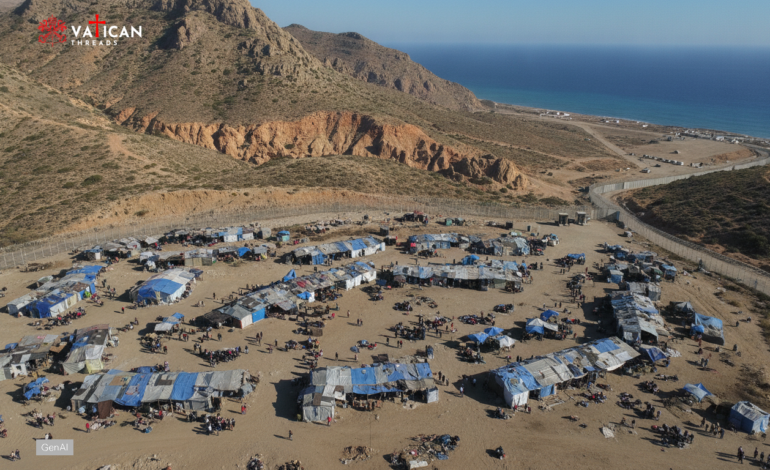
In Ceuta, Spain, the spain migration crisis is often most visible when arrivals cluster near constrained reception sites, creating bottlenecks for identification, shelter, and medical screening, as local authorities and aid groups have repeatedly warned in public statements. For context on how public narratives can shape attention and funding priorities, see How Media Coverage Shapes the NFT Market and Prices, and local briefings have at times highlighted limits in emergency accommodation and transfer capacity to mainland Spain, especially when weather or enforcement shifts redirect flows, though those briefings vary by week and are not always published as formal reports. Humanitarian groups have warned that overcrowding can quickly erode standards for minors and families, particularly when stays extend beyond initial processing windows. Vatican-linked reporting on Pope Leo’s wider agenda is available via Vatican News on Pope Leo in Assisi.
National Response: Reception, Asylum, and Transfers
Across Spain, the policy focus is generally described by Spanish officials and regional administrators as expanding reception capacity, speeding processing, and making transfers more predictable so border cities are not left carrying the full burden. Interior and regional authorities have to balance security checks with access to asylum procedures and services for vulnerable people, including unaccompanied minors, as Spain’s public agencies and partner NGOs routinely state in guidance and briefings. Related coverage of the pontiff’s priorities is at Vatican Fundamental Law: Pope Leo XIV Promulgates and Pope Leo XIV technology message: truth and common good, and in practice, pressure spikes are most visible when facilities approach capacity and temporary arrangements can stretch beyond initial plans, according to humanitarian operators and municipal services working on the ground. Pope Leo XIV’s intervention, as summarized by Vatican communications, adds moral urgency to debates about lawful pathways and orderly procedures, rather than ad hoc responses.
Church and EU Coordination on Humanitarian Access
Church agencies say their immediate priority is stabilizing reception conditions while advocating for lawful pathways that reduce dangerous crossings. Caritas structures in Spain routinely coordinate food, temporary accommodation, and legal orientation, and diocesan teams often work alongside municipal services when capacity is stretched, according to public descriptions of their work by Church-linked and charitable organizations. For related Church coordination coverage, see Pope Leo XIV Spain Visit Plans Linked to Assisi Youth, and Vatican diplomacy typically emphasizes protection for minors, family unity, and humane access to asylum procedures consistent with international standards, according to recurring themes in Vatican statements on migration, while encouraging European burden-sharing so Spain’s border regions are not isolated. In this episode, the Vatican’s message is presented in reporting as immediate relief paired with clear legal routes and regional cooperation.
Outlook: Social Cohesion, Local Strain, and Next Steps
In Ceuta, local residents, health workers, and security personnel face competing demands as reception sites fill and public spaces become transit points, according to accounts from municipal leaders and service providers. Municipal leaders frequently call for rapid transfers, clearer coordination with Madrid, and stable funding so services do not buckle under episodic surges, as they have said in local statements and media briefings. The national challenge also shows up in schools and social services when unaccompanied minors require guardianship, language support, and safe housing, according to standard child-protection and integration frameworks described by public agencies and NGOs. Pope Leo XIV, as summarized by Vatican communications rather than a released verbatim text, reportedly linked current movements to conflict, insecurity, and lack of opportunity. As reported, his appeal emphasized shared moral accountability and practical action, urging leaders to prevent violence, protect civilians, and expand humanitarian access so displacement pressures do not escalate.