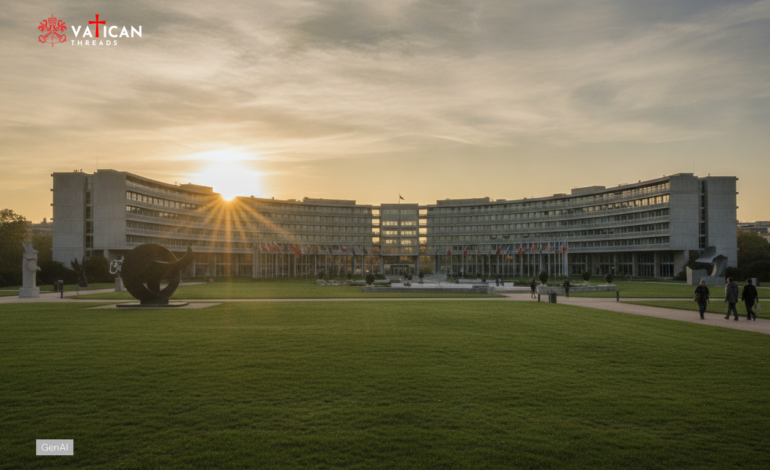

Pope Leo UNESCO visit at UNESCO in Paris
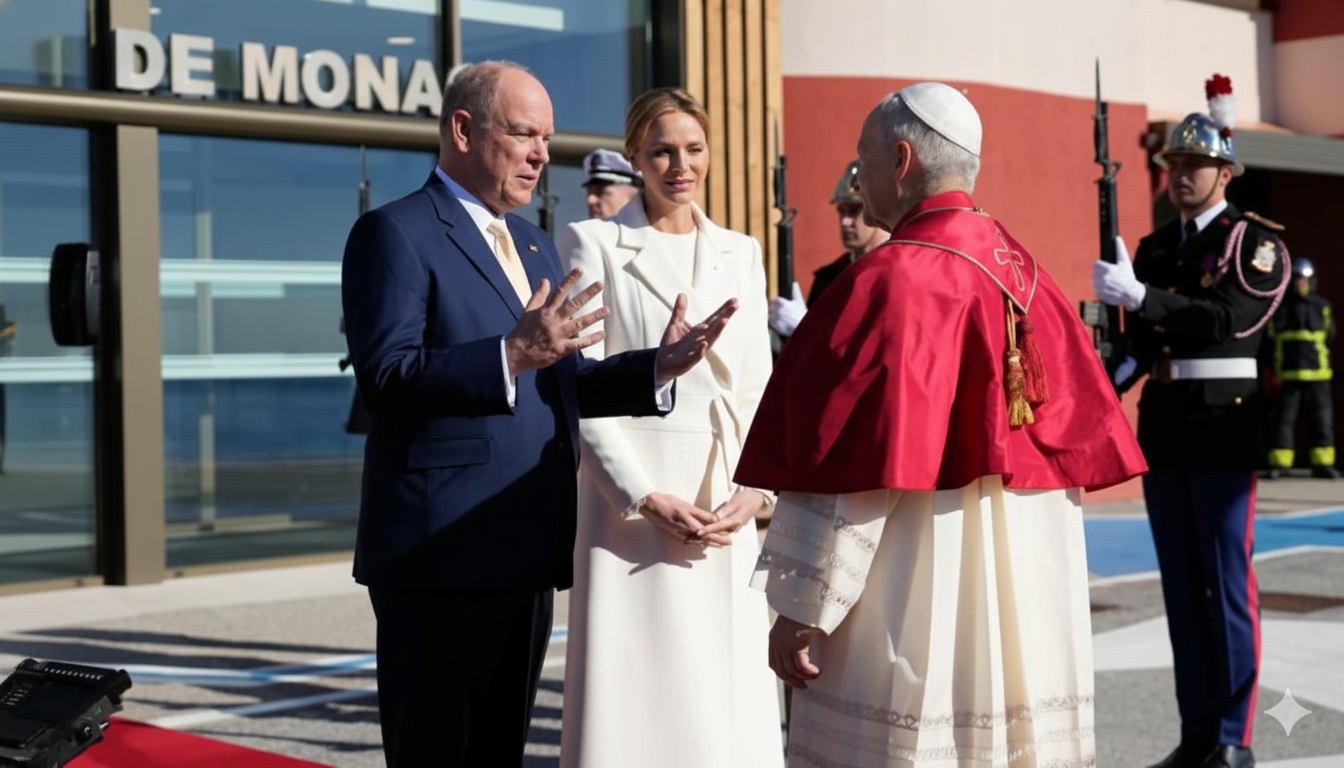
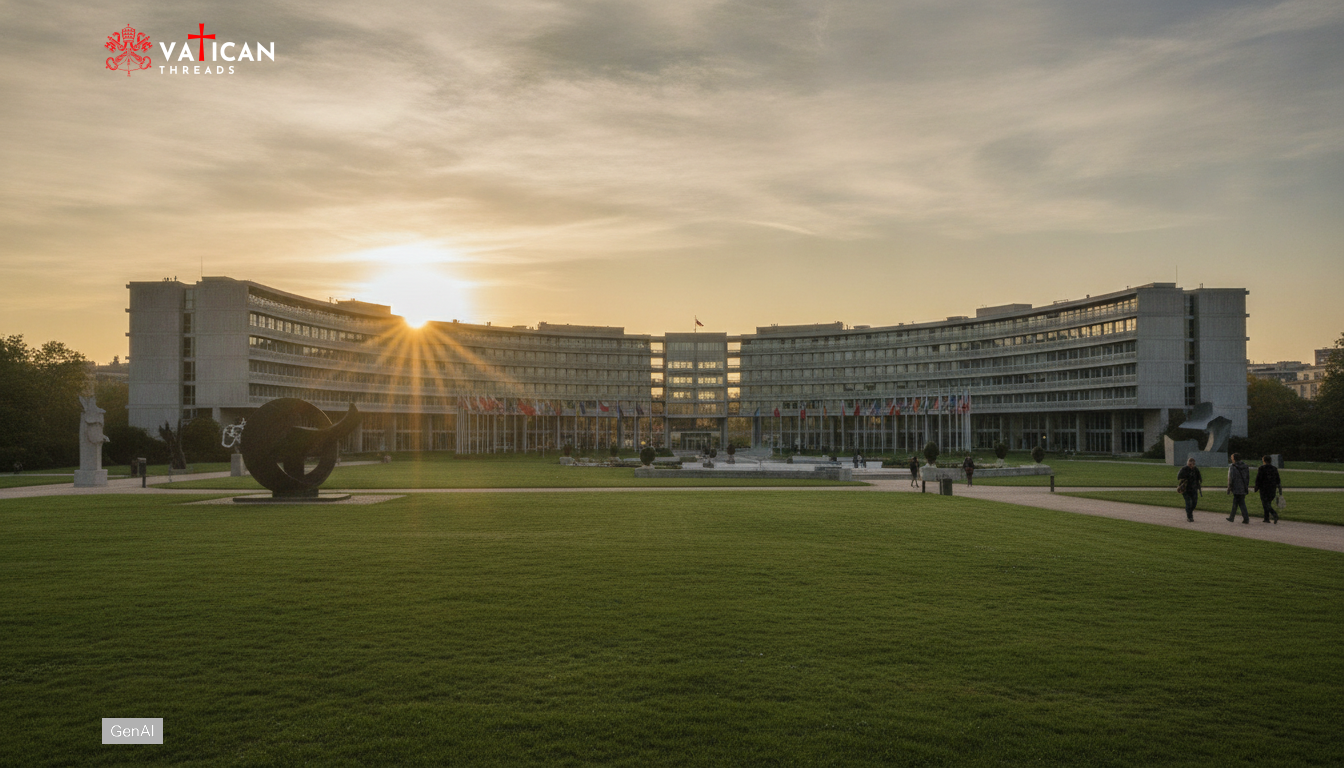
Pope Leo XIV arrived in Paris for a tightly scheduled set of institutional meetings, with UNESCO positioned as the most politically resonant stop. During the Pope Leo UNESCO visit, remarks carried by Vatican media highlighted a world facing widening conflict pressures and mistrust in institutions. UNESCO Deputy Director Xing Qu described the moment as timely, while, according to available reports, discussions may center on education, science, and culture as stabilizers in fragile societies. Aides framed the audience as an exercise in speaking to governments through a shared cultural mandate rather than bilateral bargaining. Officials also said the UNESCO meeting was designed to feed into diplomatic conversations unfolding across Europe.
Multilateral peace diplomacy discussed during the visit
Diplomats around the Holy See depicted the UNESCO stop as a working session on multilateralism, not a ceremonial call. Vatican News reported that the Apostolic Nuncio to France said the Pope’s Apostolic Journey would deliver a message of peace to a hesitant Europe, linking that posture to engagement with institutions that convene rivals, and see Vatican News interview with the Apostolic Nuncio to France for the nuncio’s comments. In briefings, Vatican spokespeople referred to peace talks as a priority theme, pairing moral responsibility with the procedural discipline of international forums. Analysts also pointed to how cross-border systems can amplify political friction when trust erodes, citing UK air traffic control glitches spark delays and scrutiny. Diplomats said the discussions unfolded in Paris amid broader European coordination.
Europe’s security lens and Vatican messaging
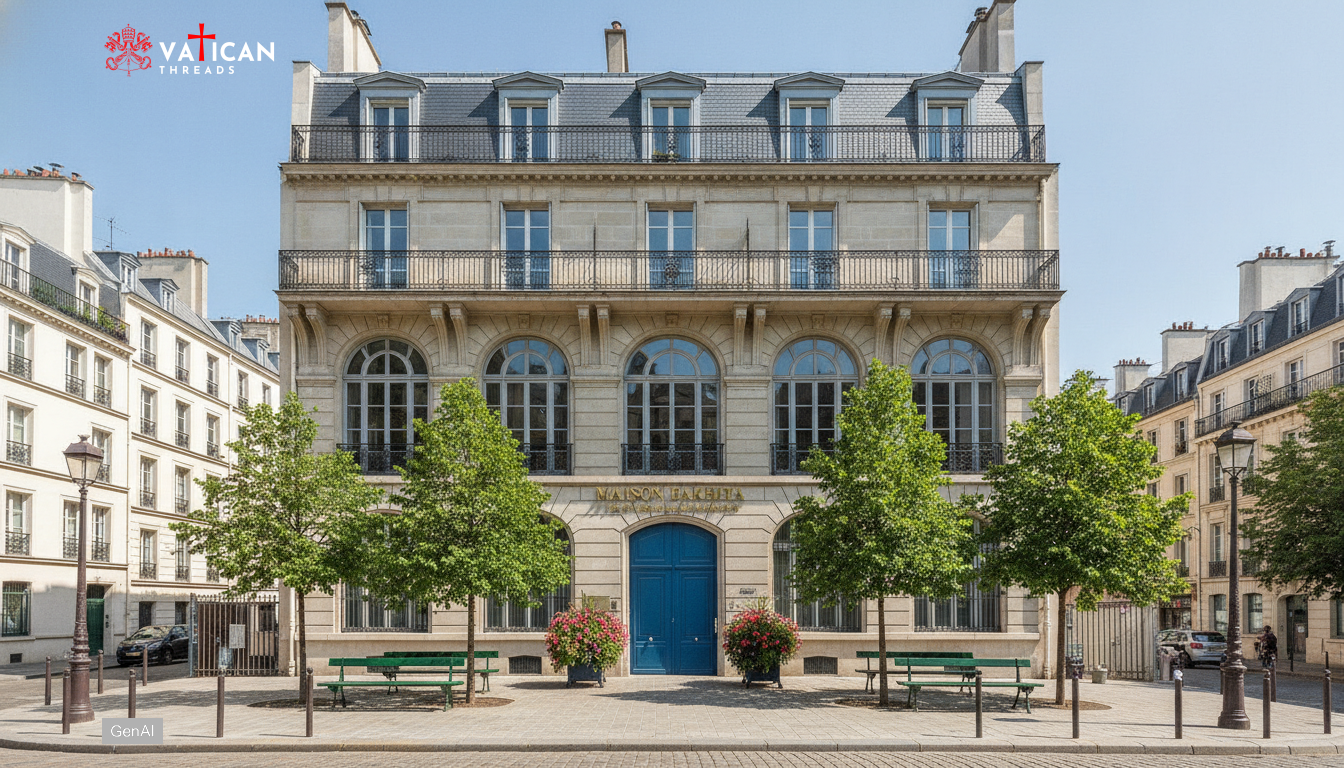
European officials following the Paris program read the UNESCO conversation through a security lens broader than military deterrence. Vatican News quoted Cardinal Pietro Parolin describing the Pope’s visit to France as intended to shine light on life, peace, and Europe, and a wider institutional backdrop is covered in France awaits Pope Leo. In that framing, the Pope Leo UNESCO visit signals that the Holy See wants institutional channels kept open even when governments harden positions. For additional context on the Paris itinerary’s pastoral and public-diplomacy blend, see Pope Leo Visit Paris: Maison Bakhita Stop in Focus. European officials said the wider program suggested an effort to sustain dialogue.
Leaders’ reactions and official audiences
Reactions from political leaders were filtered through the Vatican’s parallel schedule of official audiences and protocol encounters. Vatican News reported that Pope Leo met Hungary’s Prime Minister and Portugal’s President, and the Vatican account is available at Pope meets with Hungarian PM, Portuguese President, meetings diplomats treat as indicators of how different capitals interpret the Vatican’s push for dialogue and humanitarian access. Aides described the UNESCO stop as reinforcing common reference points, including cultural heritage protections and education systems strained by displacement. Staff avoided forecasting outcomes, but argued peace talks become more durable when parties share verification habits and civic commitments. These protocol encounters were described as closely timed within the Paris schedule.
What the UNESCO meeting signals for future diplomacy
The longer-range significance of the Paris agenda is how it positions church diplomacy as a bridge between moral argument and institutional process. Officials close to the Secretariat of State described the UNESCO stop as a template for pairing public witness with technical cooperation, and related Vatican priorities on education and culture are outlined in Pope Leo XIV Consistory: Culture and Education Plans and in Pope Leo AI ethics: peace mission for responsible AI, especially where education policy and cultural preservation overlap with stabilization efforts. In internal debriefs, the Pope Leo UNESCO visit was cited as a case where symbolic presence can be paired with measurable collaboration, such as convening experts and supporting program continuity when governments change. The longer-range goal is to keep cooperation viable even as political cycles shift.