



Catholic NGOs Warn of Rising Human Trafficking Risks Amid Global Economic Strain

Catholic humanitarian organizations are sounding the alarm over rising human trafficking risks as economic pressures intensify across many regions. Reports from NGOs working in migration corridors, conflict zones, and vulnerable communities indicate that financial instability is increasing the likelihood that individuals may be targeted by traffickers promising work, safety, or opportunity. These concerns highlight the complex intersection between economic hardship, displacement, and exploitation.
The warnings come at a time when global markets and local economies are facing significant strain. Rising living costs, limited employment opportunities, and ongoing instability in several regions are creating conditions in which vulnerable populations become more susceptible to deceptive recruitment or coercive control. Catholic organizations that operate shelters, outreach centers, and support programs emphasize that trafficking prevention must remain a priority even as humanitarian demands continue to grow.
Economic Vulnerability as a Driver of Exploitation
The most prominent concern identified by Catholic NGOs is the growing economic vulnerability that many individuals and families face. When people lose access to stable income or social support systems, the risk of exploitation increases. Traffickers often take advantage of desperation by offering financial incentives or promising pathways to migration that appear legitimate from the outside. These tactics are particularly effective in areas where reliable information is limited and job prospects are scarce.
Organizations working in affected regions report that trafficking networks are becoming more sophisticated in their recruitment strategies. They use online platforms, social media, and informal communication channels to identify potential victims. Economic stress creates an environment in which individuals may be more willing to trust misleading offers. Catholic NGOs are urging stronger community outreach to help people recognize warning signs and avoid dangerous situations.
Increased Risks for Migrants and Displaced Populations
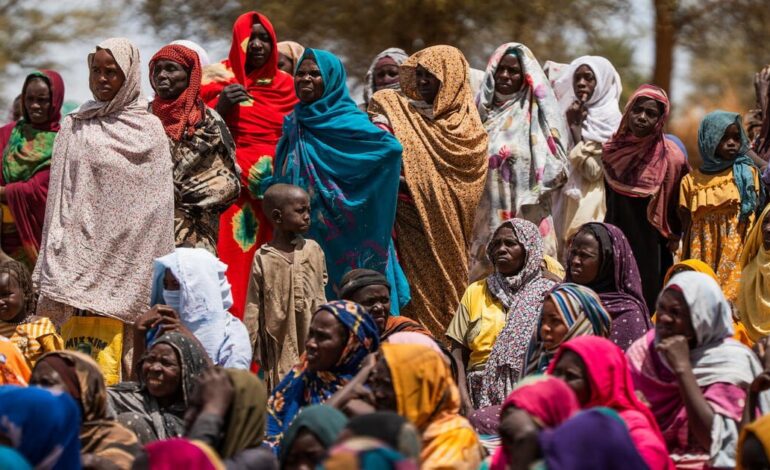
Migrants and displaced individuals are among the most vulnerable to trafficking. Many are fleeing conflict, environmental disasters, or chronic poverty and may travel through areas where support networks are minimal. Catholic aid agencies operating in border regions and transit hubs report an increase in cases involving forced labor, sexual exploitation, or debt bondage. These situations often arise when migrants accept transportation or employment offers without understanding the risks involved.
NGOs highlight the importance of creating safe migration pathways that reduce reliance on informal networks. Access to accurate information, legal protection, and humanitarian assistance can significantly reduce vulnerability. Catholic organizations continue to advocate for policies that prioritize human dignity and safeguard the rights of migrants throughout their journeys.
Expanding Prevention Through Community Education and Local Partnerships
Catholic NGOs stress that prevention is most effective when it involves active collaboration with local communities. Education programs are essential for helping individuals understand the tactics traffickers use and the risks associated with irregular employment offers or unsafe travel arrangements. Many organizations work with parishes, schools, and community leaders to spread awareness and provide practical tools for recognizing exploitation.
Partnerships with local authorities and civil society groups further strengthen prevention efforts. By combining community knowledge with institutional resources, organizations can identify emerging patterns more quickly and intervene before exploitation occurs. These partnerships also help support survivors by connecting them with legal assistance, counseling, and reintegration programs.
Strengthening Advocacy for Policy Responses and International Cooperation
Catholic organizations are also calling for stronger policy responses at national and international levels. They emphasize the need for coordinated action to address trafficking networks that operate across borders. This includes improving legal frameworks, increasing support for law enforcement training, and enhancing information sharing between countries. Advocacy efforts also focus on protecting workers in informal sectors where exploitation is more likely to occur.
The Church’s engagement in anti-trafficking work includes promoting human rights, supporting ethical labor practices, and encouraging governments to address root causes such as poverty and lack of opportunity. NGOs argue that long-term solutions require sustained investment in social protection systems that reduce economic vulnerability.
Conclusion
Catholic NGOs warn that rising economic strain is heightening the risk of human trafficking, particularly among migrants and vulnerable communities. By strengthening prevention efforts, expanding education, supporting local partnerships, and advocating for effective policy responses, these organizations aim to protect individuals from exploitation and uphold the dignity of those at risk. Their work highlights the ongoing need for coordinated action as economic pressures continue to impact lives around the world.