
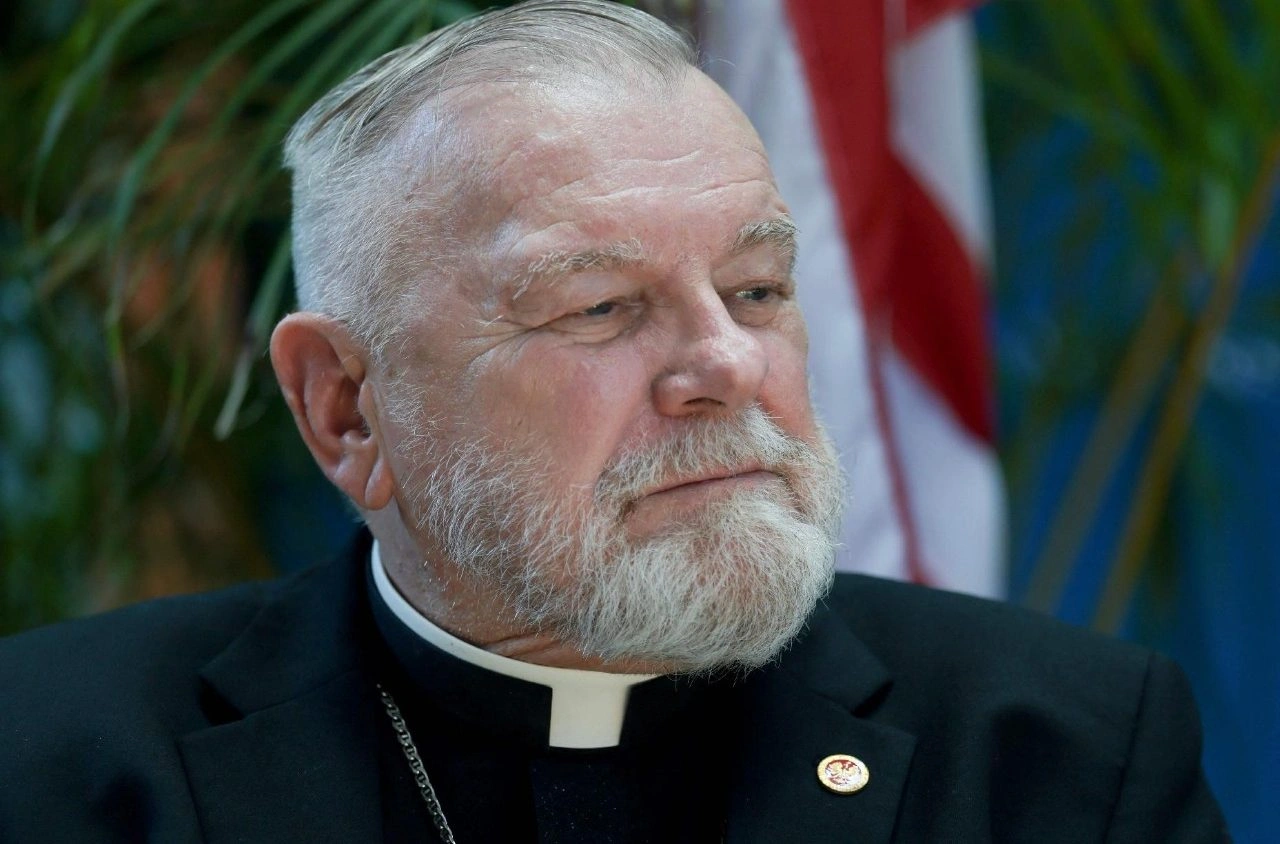
Global Church Leadership Unity and Diversity in Christianity
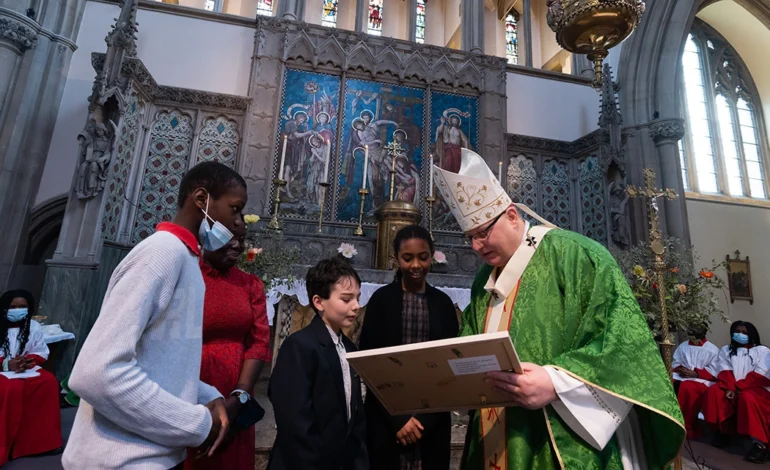

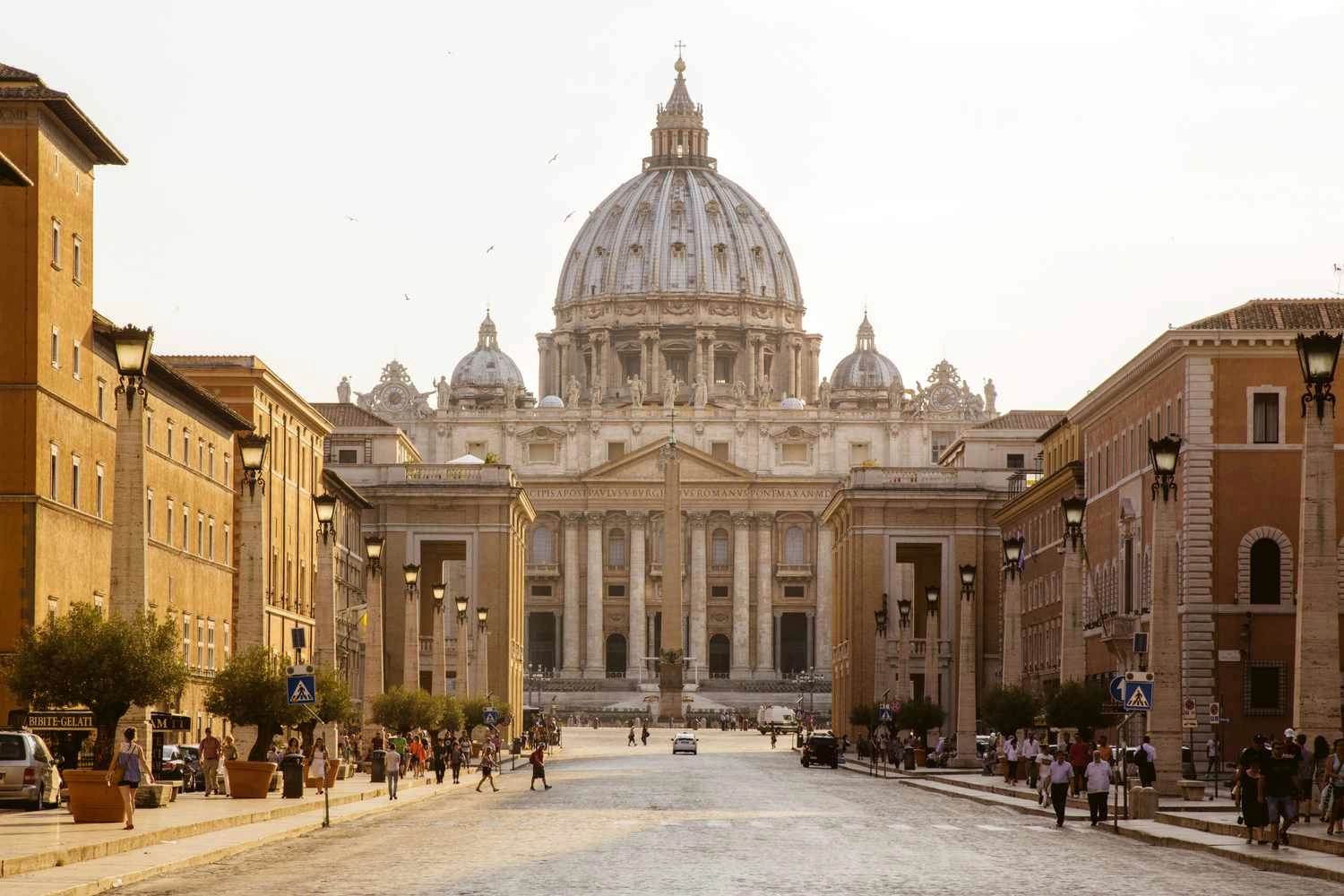
Global Church leadership plays a vital role in guiding Christian communities across the world while balancing unity in faith with diversity in culture, tradition, and regional practice. As Christianity spans continents, leadership structures have evolved to address the needs of a global congregation that differs in language, social context, and historical background.
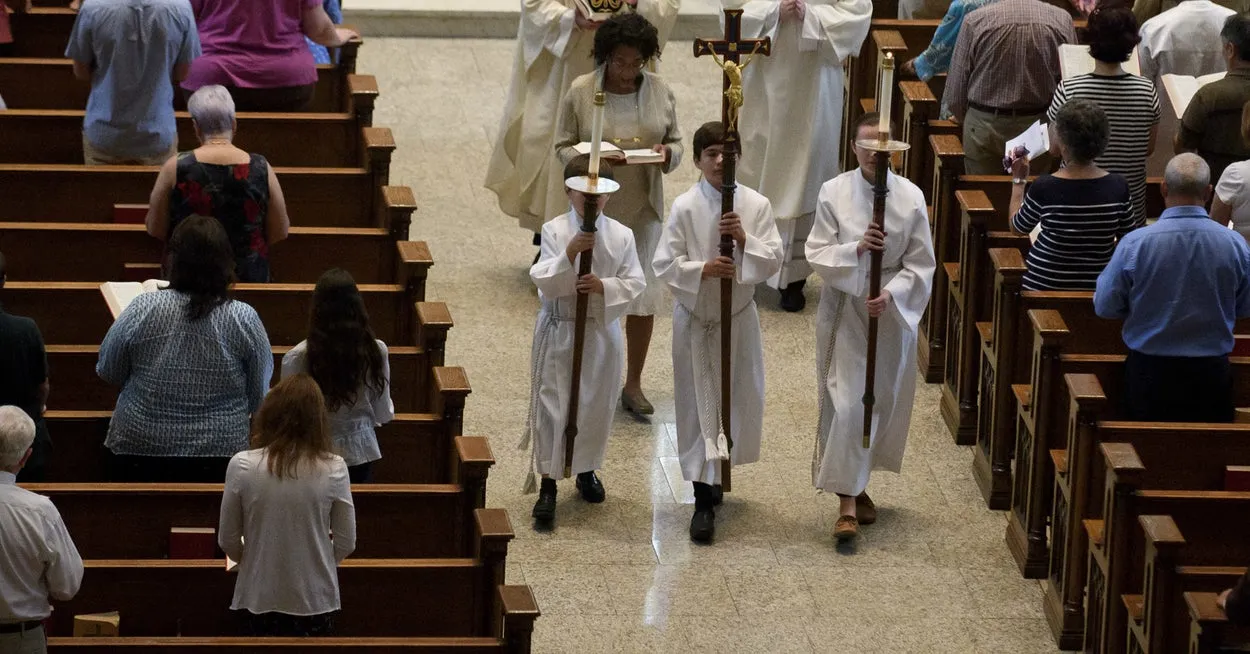
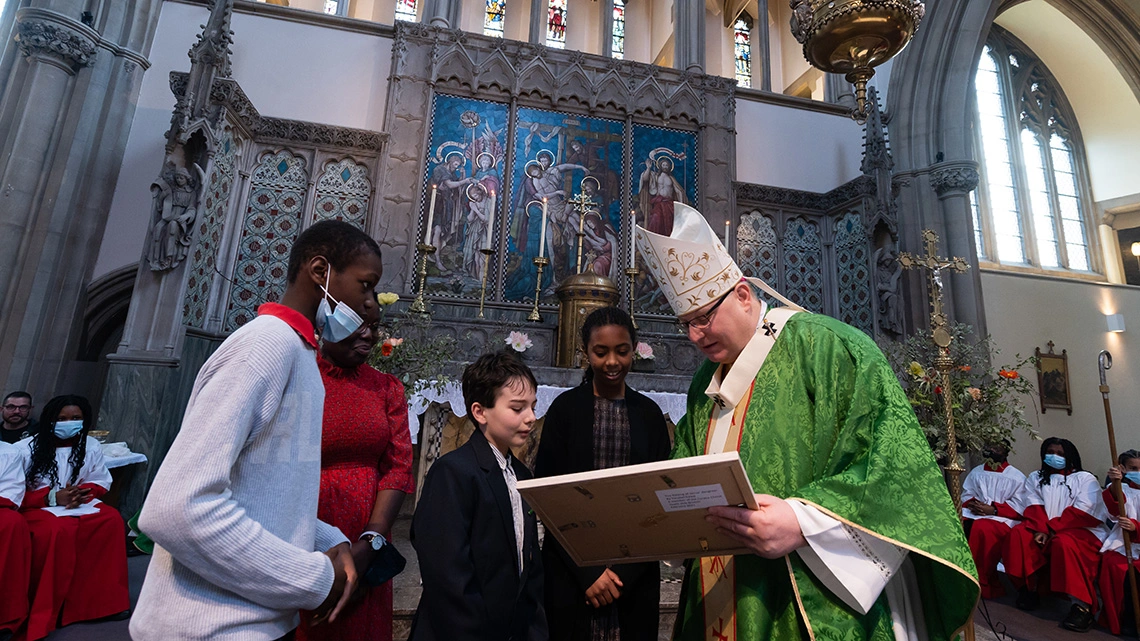
One of the key strengths of global Church leadership is its ability to maintain doctrinal unity while allowing cultural adaptation. Core teachings remain consistent across denominations, but local expressions of worship, music, and community engagement often reflect regional identities. This balance helps Christianity remain both universal and locally relevant.
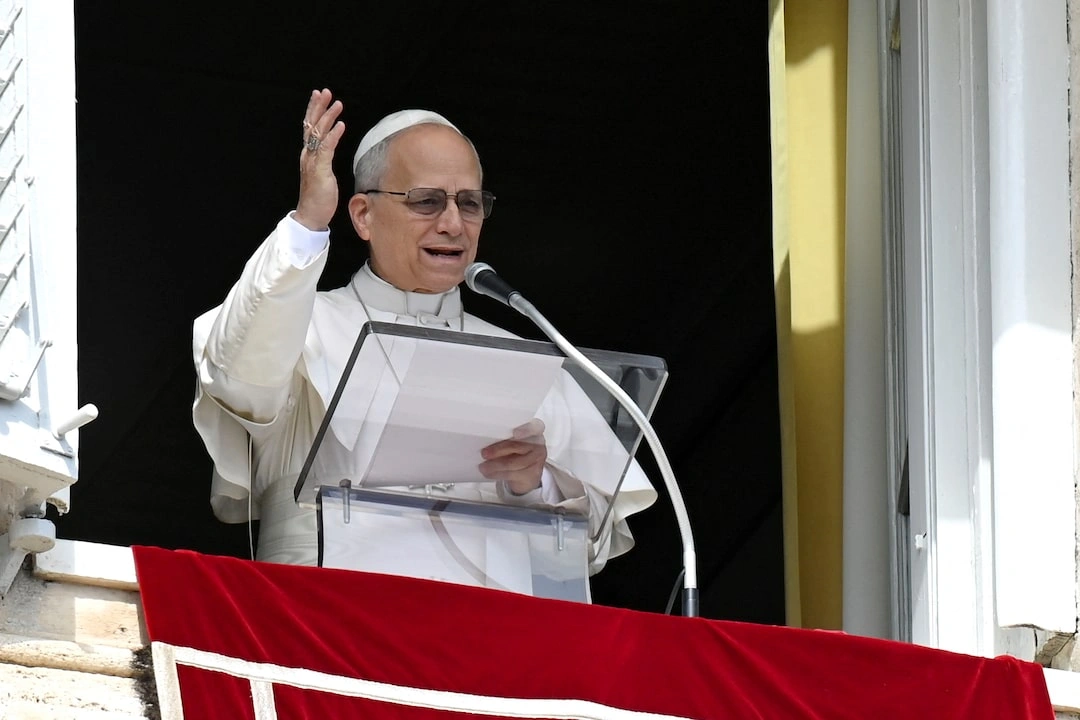
Leadership within the global Church is often structured through a network of religious authorities, including bishops, cardinals, pastors, and regional councils. These leaders are responsible for guiding theological direction, overseeing institutions, and supporting community development initiatives. Their role extends beyond spiritual leadership to include social and humanitarian responsibilities.
Education and theological training are also central to Church leadership development. Seminaries and religious institutions prepare future leaders to address modern challenges while staying grounded in traditional teachings. This includes understanding social issues, ethical leadership, and global communication in an increasingly interconnected world.
The global Church also emphasizes collaboration among different Christian denominations. Ecumenical efforts aim to build stronger relationships between various branches of Christianity, promoting unity while respecting doctrinal differences. These initiatives encourage dialogue and shared action on global issues such as poverty, peacebuilding, and climate responsibility.
In recent years, digital communication has transformed how Church leadership operates. Online services, global broadcasts, and digital outreach platforms allow leaders to connect with followers across borders in real time. This technological shift has expanded the reach of Church leadership and increased engagement with younger generations.
As Christianity continues to grow and adapt, global Church leadership remains central to maintaining unity, guiding faith communities, and managing the balance between tradition and modern global diversity.