
In Kenya’s Lodwar Diocese, Faith Endures Across the Desert

In the vast and arid landscapes of northwestern Kenya, the Catholic Diocese of Lodwar continues its mission of evangelization and service despite extreme hardship. Spanning nearly 77,000 square kilometers across Turkana County and bordering South Sudan, Ethiopia, and Uganda, the diocese operates in one of the most remote and environmentally fragile regions of East Africa.
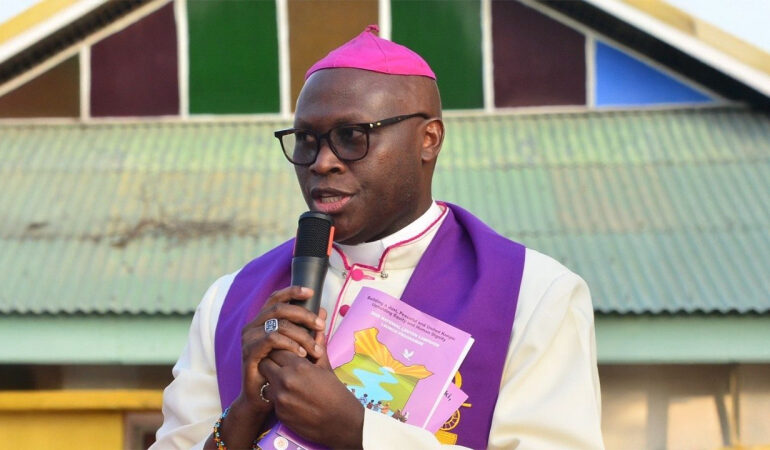
Led by Bishop John Mbinda, a member of the Spiritan congregation, the local Church describes itself as a territory of first evangelization. The population is predominantly Turkana, a pastoralist community accustomed to moving in search of water and grazing land. Alongside them live civil servants, missionaries, and religious men and women from across Kenya, forming a small but committed Catholic presence.
The Diocese of Lodwar includes 33 parishes, many located in isolated settlements connected by rough roads and long travel distances. In several parishes, Sunday collections do not cover even basic operational costs such as fuel for pastoral outreach. Despite this, the diocese prioritizes proximity. Priests and catechists travel long distances to ensure that the Word of God reaches scattered communities. Nomadic catechists accompany families as they move across the desert, integrating evangelization into pastoral life.
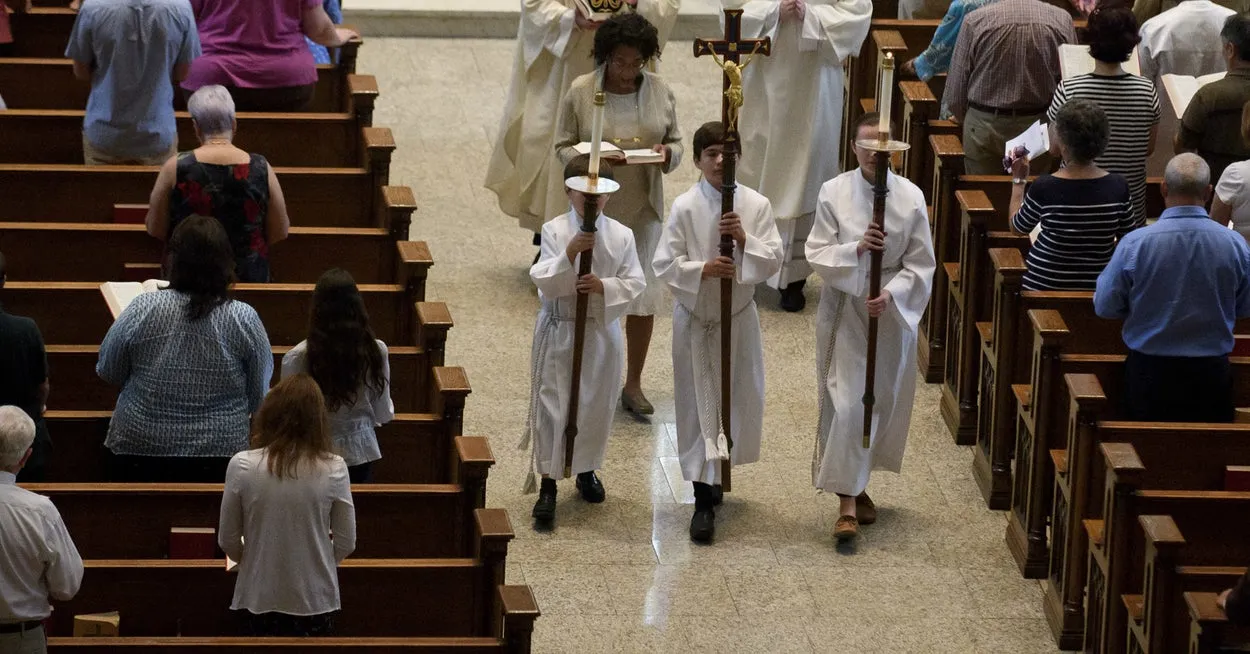
Material deprivation shapes daily reality. Temperatures frequently exceed 37 degrees Celsius, while access to water, health care, and education remains limited. During a recent Confirmation celebration in a remote parish, several women and children fainted due to hunger, having gone days without food. Yet local clergy report that faith remains strong, with communities gathering joyfully for Eucharistic celebrations even amid scarcity.
Inspired by the Gospel’s call to serve the vulnerable, the diocese integrates pastoral care with social services. Through its Caritas network and development programs, it operates more than 18 health facilities, often in areas where government infrastructure is minimal. However, recent changes in Kenya’s national health insurance system, transitioning from NHIF to the Social Health Insurance framework, have created financial strain. Delayed reimbursements have made it difficult for Church run facilities to maintain staff and medical supplies.
Water access remains central to survival in Turkana. The diocese oversees one of the region’s most active water initiatives, drilling and maintaining wells in remote villages. Communities are also encouraged to plant trees near water points to support environmental resilience in a harsh climate.
Within diocesan territory lies the Kakuma Refugee Camp, home to more than 250,000 displaced persons from across Africa. The Church collaborates with humanitarian agencies and religious congregations to provide education, vocational training, and pastoral support. Global funding reductions have recently affected food distribution and services, increasing pressure on vulnerable families.
Despite limited resources, Bishop Mbinda emphasizes that the greatest strength of the region lies in the people’s openness to the Gospel. In a landscape marked by drought and poverty, the Diocese of Lodwar continues to witness to faith through presence, service, and perseverance.