
pope leo xiv new pope: what changed and why Algeria
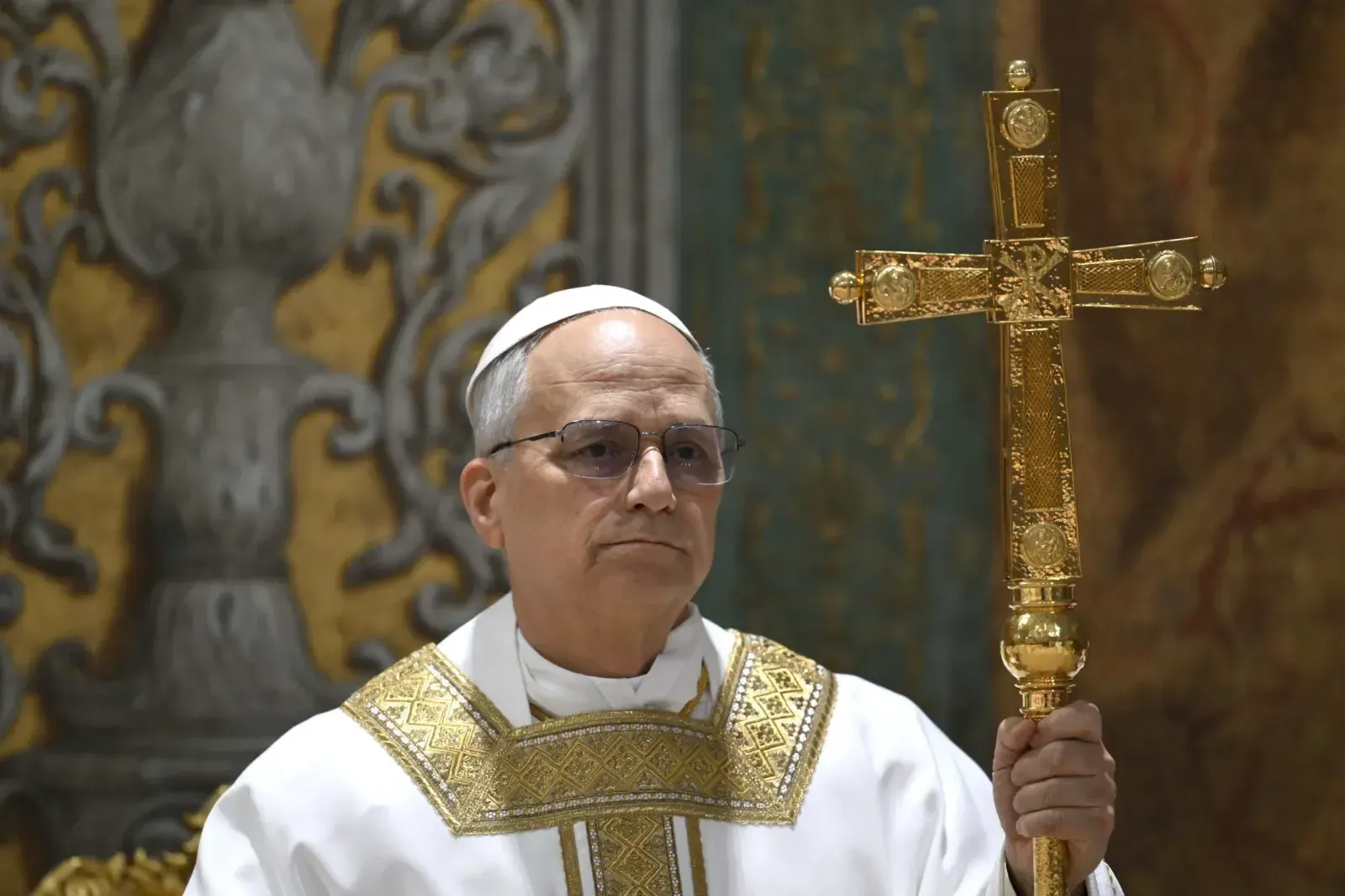
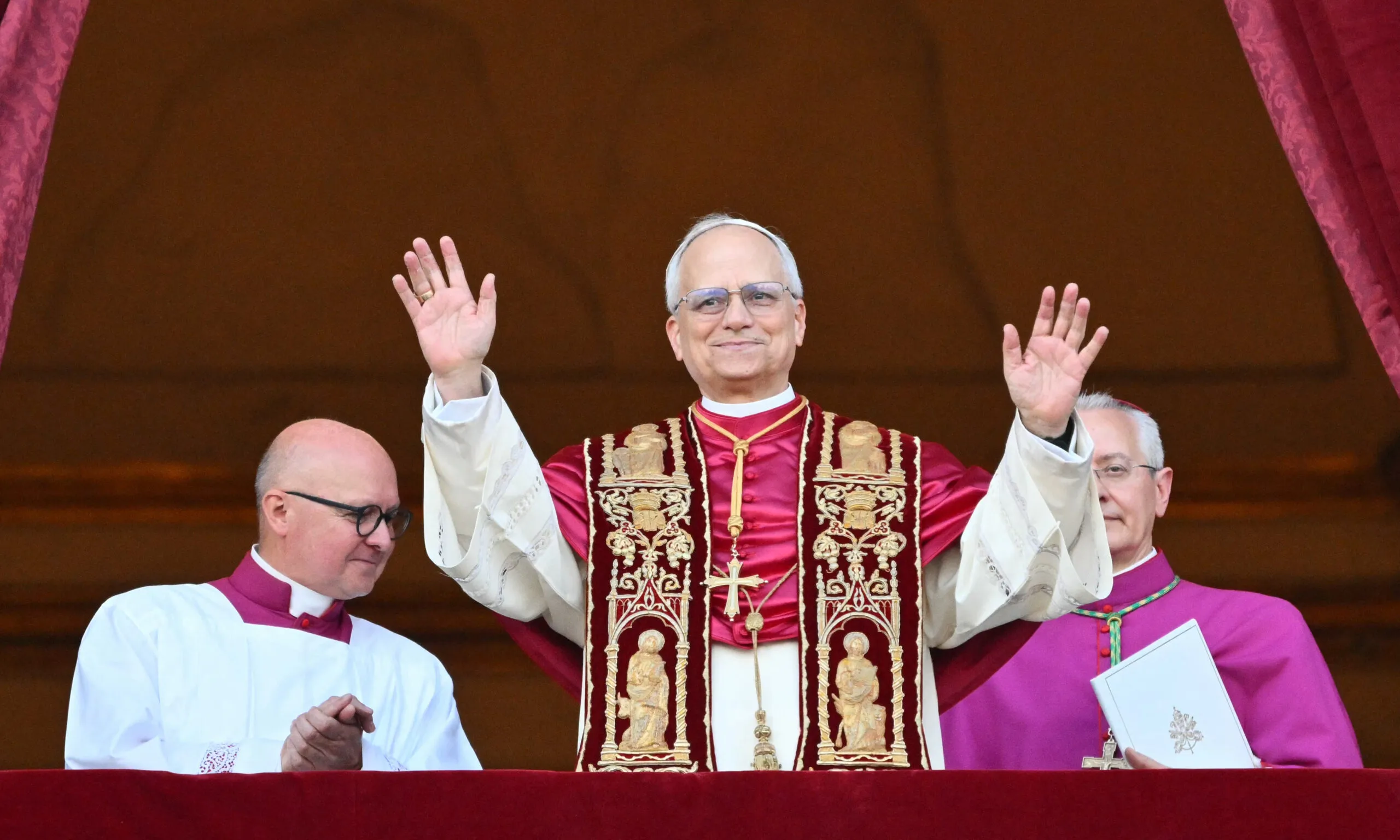
Pope Leo XIV arrived in Algiers for a trip that Vatican officials framed as an early indicator of priorities for the start of his pontificate. The significance is less about travel logistics and more about what he chose to do first, as described in reporting: meet Muslim leaders, speak publicly about coexistence, and keep the tone non-ceremonial. In his first on-camera remarks, he presented the visit as a practical step toward peacebuilding and mutual respect, according to Vatican News. Vatican News described the arrival and the itinerary in its running Vatican News report on the Algeria journey, emphasizing the diplomatic and interfaith focus rather than a liturgical program.
Why the Grand Mosque visit signaled priorities
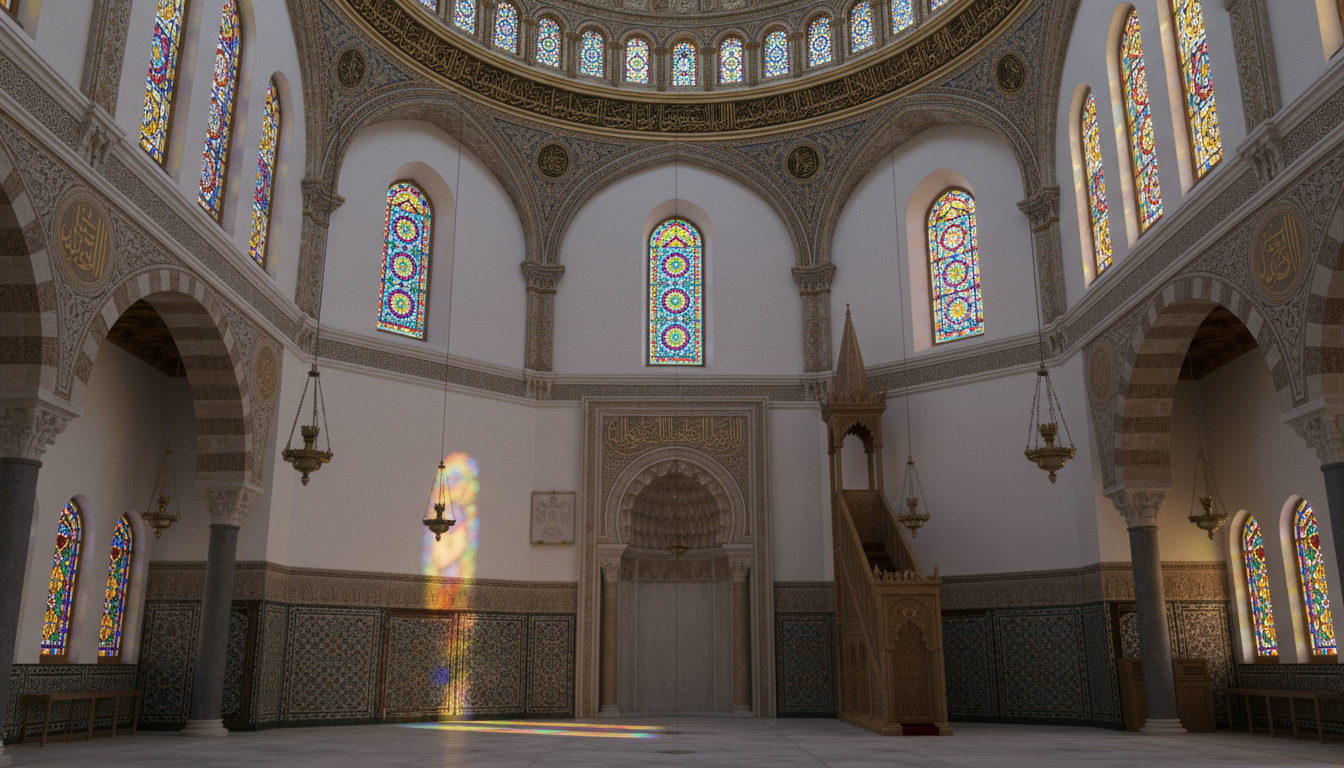
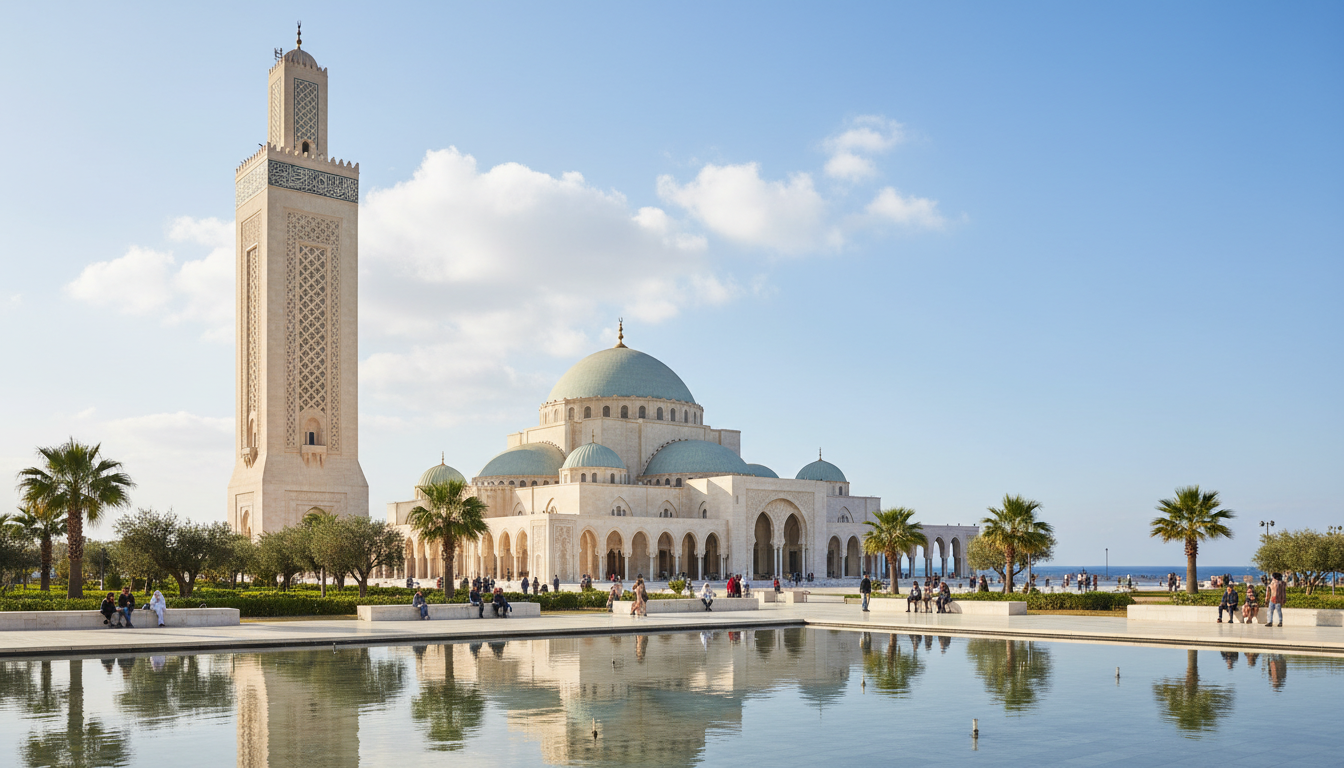
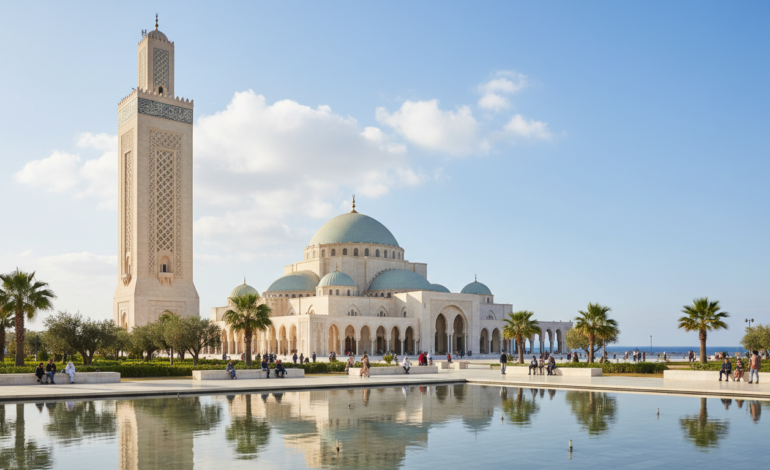
The Grand Mosque of Algiers, a major religious site and civic landmark, served as the central venue for the Pope’s outreach. Organizers briefed accredited media on access points and timing, and arrivals by delegations were orderly. Vatican News noted that choosing a mosque stop early in a pontificate can be read as a signal: dialogue first, and public respect as the baseline for relations. For additional context on Vatican diplomacy and outreach often cited by publishers, see Vatican Church Strengthens Global Role Through Faith Diplomacy and Modern Outreach. A press-pool update, as described by reporters on site, said the encounter would include greetings and a short address without a liturgical component. For broader context links carried by publishers, a related portal reference appeared here: Boston fans hit by World Cup train fare hike.
Key message: mutual respect and peacebuilding
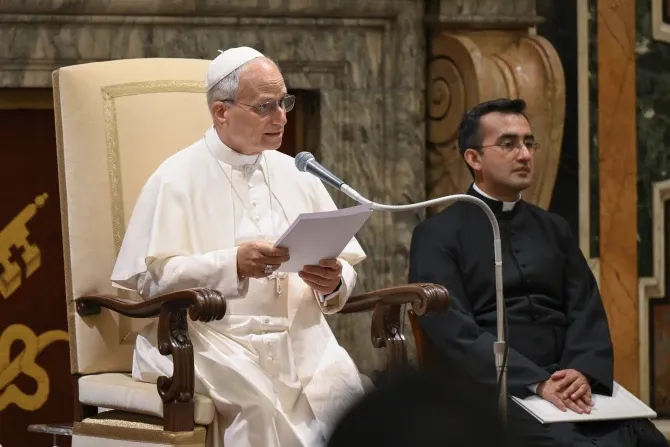
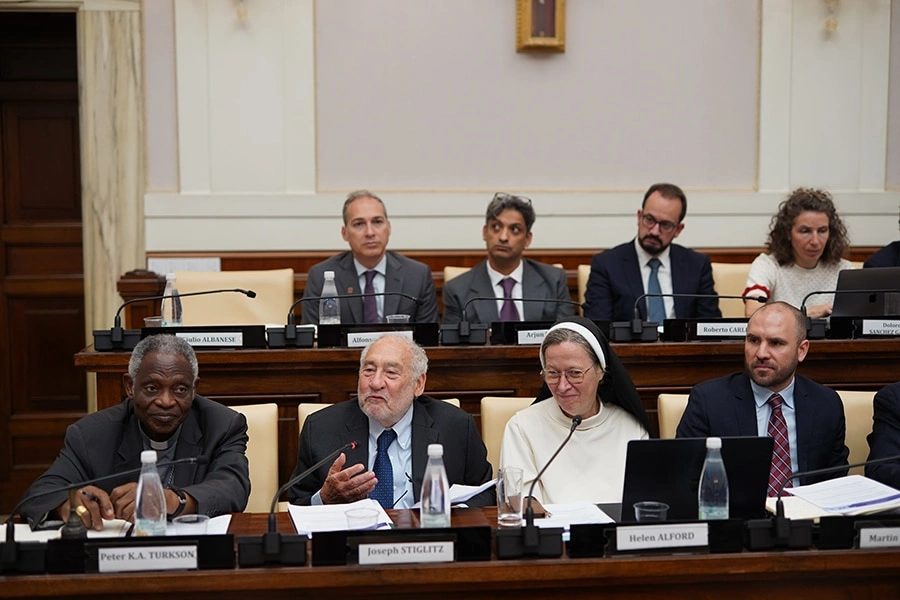
In his address at the site, the Pope called for mutual respect and peacebuilding, linking religious conviction to civic responsibility, according to Vatican News’ recap of the prepared text. He argued that faith communities can protect human dignity when they refuse to instrumentalize belief for political rivalry. International media translation highlighted lines about listening, rejecting contempt, and resisting narratives that degrade neighbors, as reflected in contemporaneous coverage. Vatican spokespeople later said the remarks were intentionally concise to keep attention on shared duties rather than doctrinal disputes. Coverage also noted the presence of local religious and civic figures seated together for the address.
What Vatican officials highlighted about the new pope
Beyond the speech, some of the most consequential moments were the closed-door exchanges that followed the public segment, according to Vatican News. The outlet described meetings with Muslim representatives and local authorities as structured conversations on social cohesion and preventing incitement. The Pope’s team stressed that dialogue requires institutional habits, not occasional ceremonies, and a media note said follow-up channels would be maintained after the delegation departs. In the same context, Vatican communicators pointed to the choice of name “Leo” as a signal of continuity with earlier papal priorities on peace and encounter, as characterized in Vatican commentary. For additional background on Vatican positioning and communications around global engagement, see Vatican Developments Highlight Global Religious Influence and Diplomatic Engagement. Another update shared with correspondents indicated that the Vatican would summarize outcomes through official communiques rather than informal readouts.
What this means for Catholics and interfaith relations
The immediate local effect was visible in how religious leaders and civic officials used the visit to underscore public calm and shared citizenship, as shown in Vatican News coverage and broadcast footage. For international audiences, the trip is being read as an early test of how the pope leo xiv new pope will use travel and symbolic venues to set expectations for practical cooperation, including education, social welfare, and the rejection of hate speech as a public norm. The Vatican press office said the message would be carried into upcoming meetings with other religious communities, keeping the same emphasis on peacebuilding. Commentary from accredited observers focused on how this approach could shape future outreach and crisis mediation.