
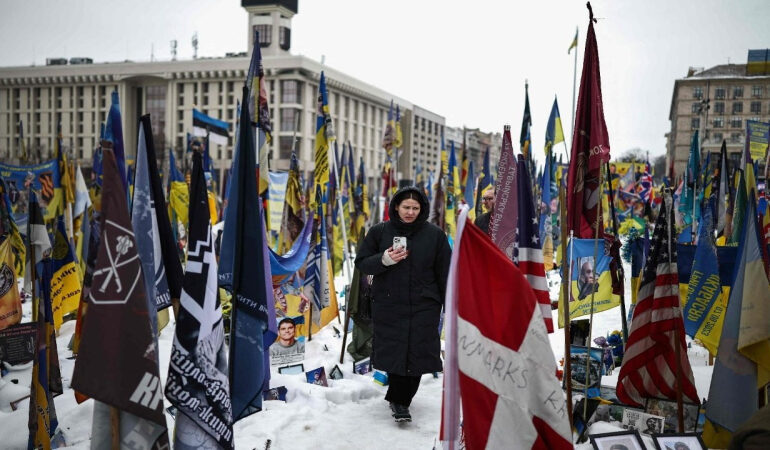

Four years after Russia launched its full scale invasion on 24 February 2022, Ukraine remains a nation marked by devastation, endurance, and unresolved conflict. Entire cities have been scarred by missile strikes, residential districts reduced to rubble, and millions of citizens displaced internally or forced to seek refuge abroad. What once seemed unthinkable in the heart of Europe has become a prolonged reality of air raid sirens, trenches, and shattered infrastructure.
The human cost continues to mount. Thousands of civilians have been killed or injured, and countless families remain separated. Children have grown up with the sound of explosions replacing the rhythms of ordinary life. Winter after winter, communities endure cold and power shortages as energy systems are repeatedly targeted. Beyond the physical destruction, the psychological toll weighs heavily on a generation shaped by fear and uncertainty.
Despite diplomatic initiatives, peace negotiations have yet to produce a breakthrough. International mediation efforts and conferences have struggled to translate dialogue into lasting ceasefires. Military strategies continue to dominate the landscape, with both sides entrenched in positions that reflect deep mistrust and competing objectives. The persistence of the conflict has raised broader concerns about regional stability and the global security order.
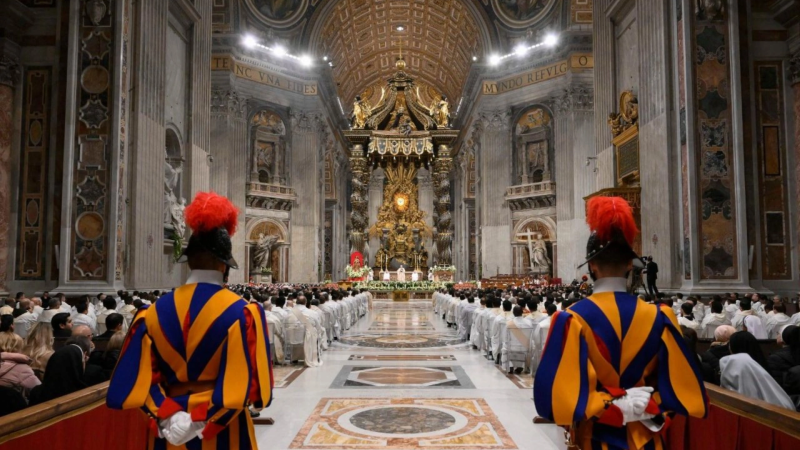
Pope Leo XIV has repeatedly called for an immediate end to hostilities, describing the immense suffering endured by victims and families. His appeal emphasizes that peace cannot be built through weapons alone but requires dialogue, respect, and a renewed commitment to the dignity of every human person. He has urged leaders to pursue what he calls an unarmed and disarming peace, beginning with the rejection of hatred and the rebuilding of trust.
The war has also exposed structural weaknesses within the European Union. While Europe has mobilized economic support and humanitarian assistance for Ukraine, critics argue that political unity and strategic coherence have often lagged behind events on the ground. The vision of a continent rooted in solidarity, cooperation, and shared responsibility faces a profound test as the conflict drags on.
Security debates across Europe increasingly focus on rearmament and defense spending. Yet many observers warn that military preparedness alone cannot secure lasting stability. Sustainable peace requires diplomacy, multilateral engagement, and inclusive political solutions that address both immediate hostilities and long term reconciliation. Without such efforts, the wounds inflicted over four years risk hardening into permanent divisions.
Amid destruction, however, resilience persists. Volunteers, humanitarian workers, faith communities, and civil society organizations continue to provide food, shelter, medical assistance, and psychological support. Their efforts sustain a fragile hope that coexistence can eventually replace confrontation.
As Ukraine marks this fourth anniversary, the international community faces a decisive question: whether to remain focused on managing the conflict or to renew a determined effort to build a just and durable peace.