




US Supreme Court Blocks California Law on Parental Notification in Transgender Student Cases
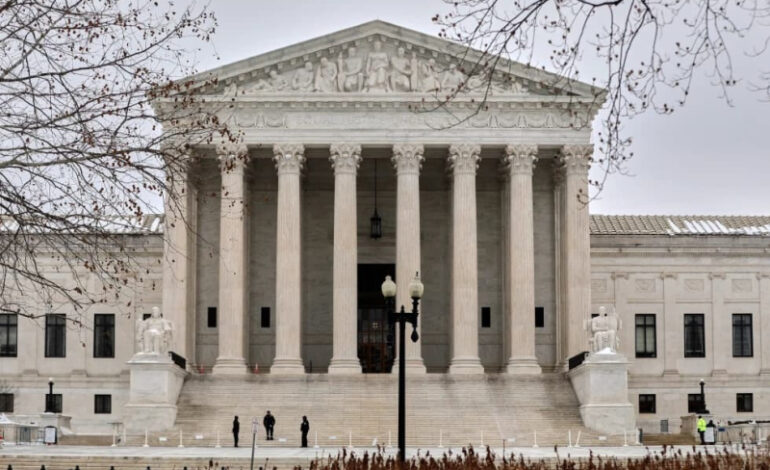

The United States Supreme Court has temporarily blocked a California law that prohibited schools from automatically notifying parents if a student changed pronouns or gender expression at school without the student’s consent. The decision allows schools to inform parents while the legal challenge continues through lower courts.
The emergency order came after religious parents and educators challenged California school policies designed to protect student privacy regarding gender identity. Two groups of Catholic parents, represented by the Thomas More Society, argued that the policies led schools to mislead families and facilitate social transitions without parental knowledge or approval. They claimed the law burdened their ability to raise their children in accordance with their religious convictions about sex and gender.
In an unsigned order, the Court’s majority sided with the parents, reinstating a lower court ruling that had blocked the state law and related school policies. The justices wrote that the parents who brought the case have sincere religious beliefs and feel obligated to guide their children according to those convictions. They concluded that California’s policies likely burden the free exercise of religion.
The Court’s three liberal justices dissented publicly, arguing that the case remains under review in lower courts and did not warrant immediate intervention. Justice Elena Kagan wrote that the Court should avoid overturning a sovereign state’s policies without allowing normal judicial procedures to unfold.
California officials defended the law as an effort to balance parental rights with student privacy and safety. The state maintained that some students may fear rejection or harm if their gender identity is disclosed at home. Governor Gavin Newsom’s office said teachers should focus on instruction rather than serving as enforcers of gender identity policies. State representatives argued that student privacy is essential to maintaining a safe and supportive learning environment.
The ruling reflects a broader pattern in recent Supreme Court decisions involving religious freedom and education. The Court has previously sided with religious plaintiffs in cases involving public school curriculum and parental objections to materials addressing LGBTQ themes. In other recent rulings, the justices upheld certain state restrictions related to gender identity healthcare for minors and have considered cases concerning transgender participation in school athletics.
The issue of parental notification policies for transgender students remains the subject of litigation in multiple states, including Massachusetts and Florida. The Court has declined to hear some related appeals but signaled ongoing interest in the legal questions raised.
At the federal level, the Justice Department has also examined state policies on transgender issues, including student records and athletic participation, contributing to an evolving national debate that intersects religious freedom, parental rights, and civil rights protections.