


Mexican Cardinal Criticizes Priest for Letters Seeking Clemency for Cartel Leader’s Children
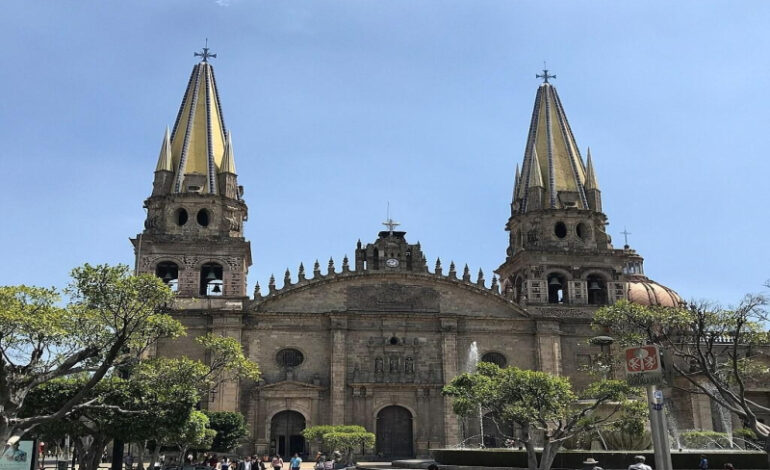

Cardinal Francisco Robles Ortega of Guadalajara has publicly criticized a priest who sent letters to a United States judge requesting clemency for the adult children of slain cartel leader Nemesio Oseguera, known as El Mencho. The case has sparked debate in Mexico about pastoral care, prudence, and the Church’s moral responsibility in contexts marked by organized crime.
Father José Dolores Aguayo, a priest in Zapopan, Jalisco, wrote to Judge Beryl A. Howell in 2021 and again in 2025 on behalf of Jessica Johanna Oseguera and Rubén Oseguera González. Both were convicted in the United States for crimes connected to the Cartel Jalisco Nueva Generación, which was led by their father until he was killed by Mexican security forces on 22 February during a military operation in Jalisco.
Cardinal Robles described the matter as more complex than simple inexperience, stating that while the priest may have acted in good faith, he made a serious mistake. The letters, which became public shortly after El Mencho’s death, expressed support for the two siblings and highlighted their participation in faith activities and spiritual reflection.
In his first letter, Father Aguayo said he had known Jessica Oseguera for several years and described her as engaged in Scripture study and charitable initiatives. He asked the court to allow her the opportunity to demonstrate her character beyond legal judgments. Jessica Oseguera, known as La Negra, pleaded guilty in 2021 to money laundering and conspiracy charges and was sentenced to 30 months in prison.
In a second letter written in January 2025, the priest described providing spiritual direction to Rubén Oseguera González, also known as El Menchito, who is serving a life sentence in the United States for drug trafficking and related crimes. Father Aguayo said their exchanges through letters and phone calls centered on Scripture and personal reflection, emphasizing the possibility of mercy and conversion.
Following the public disclosure of the correspondence, the Archdiocese of Guadalajara clarified that the letters were sent at the request of the Oseguera family as part of pastoral accompaniment. However, it stated that such actions should not interfere with the administration of justice and acknowledged that greater prudence should have been exercised.
Father José Filiberto Velázquez, director of the Human Rights Center Minerva Bello in Guerrero, said pastoral accompaniment does not equate to defending criminal acts. At the same time, he warned that in a country deeply wounded by organized crime, public gestures involving those linked to criminal networks must be handled carefully to avoid ambiguity.
Velázquez emphasized that while Christianity calls believers to recognize the humanity of every person, mercy must never be confused with impunity. He stressed that the rights of victims and the demands of justice remain central. He also noted that state actions against crime must respect the rule of law and human rights while being accompanied by long term policies aimed at prevention, social reconstruction, and support for those harmed by violence.