



Congress Faces War Powers Debate After US and Israel Launch Strikes on Iran

President Donald Trump’s decision to launch major combat operations against Iran in coordination with Israel has ignited a debate in the United States Congress over constitutional war powers and the legal and moral implications of entering a new Middle East conflict.
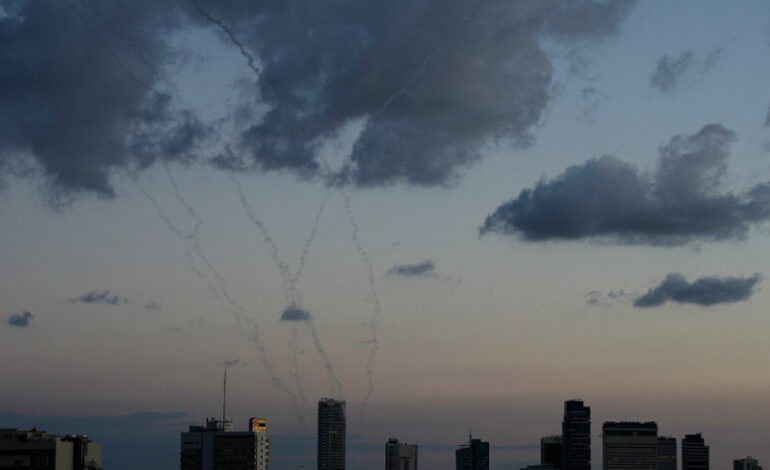
The joint strikes carried out on 28 February targeted Iranian military infrastructure and resulted in the death of Iran’s Supreme Leader, Ayatollah Ali Khamenei. In response, Iran launched retaliatory missile and drone attacks across the region. Casualties have been reported on multiple sides, including the deaths of at least four US military personnel.
Speaking at the White House on 2 March, President Trump described the operation as the last best opportunity to eliminate what he called intolerable threats posed by the Iranian regime. He argued that Iran was developing missile capabilities that could eventually reach the United States mainland. However, US intelligence agencies have previously assessed that while Iran possesses short and medium range ballistic missiles capable of striking Israel and American bases in the Middle East, it remains years away from developing missiles able to reach the continental United States.
The strikes have prompted renewed calls in Congress to consider a bipartisan war powers resolution that would require legislative authorization for continued military engagement. Under the US Constitution, Congress holds the authority to declare war, though presidents have often initiated military actions without formal declarations.
Senator Rand Paul and Representative Thomas Massie have advocated for immediate congressional consideration of the resolution. Senator Jeanne Shaheen expressed concern about the absence of a clearly articulated long term strategy and warned about the potential for rapid escalation. She urged transparency regarding objectives, authorization, and the broader economic and security consequences of the conflict.
Other lawmakers, including Senator Jim Risch, defended the strikes as necessary to counter longstanding threats posed by Iran’s leadership and nuclear ambitions. Supporters argue that decisive action was required after years of tensions and failed diplomatic efforts.
International law experts have also raised questions regarding the legality of the strikes under the United Nations Charter, which permits the use of force primarily in cases of self defense or with Security Council authorization. Some analysts have argued that the legal basis for the operation remains unclear and that escalation risks destabilizing the region further.
The United Kingdom initially restricted the use of its military bases for offensive operations linked to the strikes, though it later indicated they could be used for defensive purposes. The distinction has drawn scrutiny amid concerns about proportionality and the principle that force should be a last resort.
As Congress weighs its response, the debate reflects broader concerns about executive authority, international law, and the human costs of war. The coming days are expected to determine whether lawmakers move forward with a vote on the war powers resolution as military and diplomatic developments continue to unfold.