

Benedictine Monks in Jerusalem Turn to Prayer and Solidarity as War Reaches Holy City
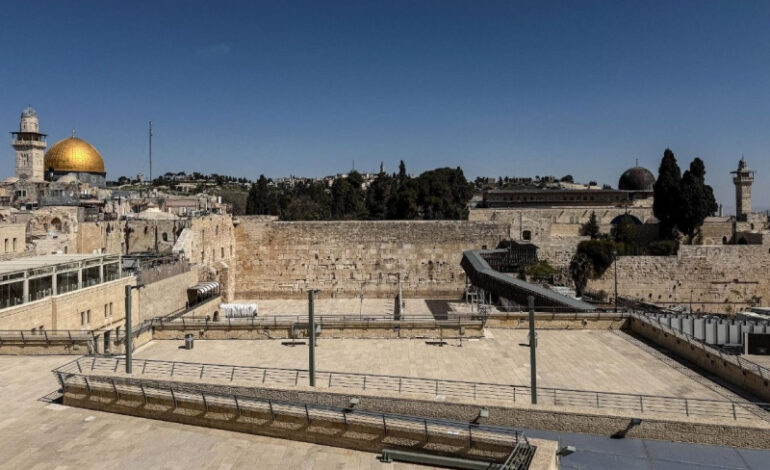

The outbreak of renewed conflict in the Middle East has deeply affected religious communities in Jerusalem, where Benedictine monks at the Abbey of the Dormition are continuing their spiritual mission while confronting the realities of war. The monks have responded by strengthening their communal prayer, offering comfort to those around them, and maintaining a presence of faith during a time of fear and uncertainty.
Abbot Nikodemus Schnabel, who leads the German speaking Benedictine community at the historic abbey on Mount Zion, described how the violence abruptly interrupted what had been a hopeful period for the monastery. In late February the entire community had gathered at the Tabgha Priory near the Sea of Galilee for chapter meetings, a traditional gathering where monks discuss community life and decisions.
During those meetings there had been cautious optimism among the monks. For the first time in months, pilgrimage groups from Western and Central Europe had begun returning to the region, offering hope that the Christian community could once again rely on tourism to support their institutions and employees.
For Christians in Israel and the Palestinian territories, pilgrimage travel remains a vital source of economic stability. Many families and workers depend on the constant flow of visitors to sustain churches, religious sites, and local businesses.
That fragile sense of optimism was shattered when air raid alarms suddenly sounded during the gathering. Monks, volunteers, staff members and visiting pilgrims quickly moved into a reinforced shelter as rockets and military activity intensified across the region.
Around sixty people took refuge together in the bunker, including Benedictine monks, international volunteers, visiting pilgrims, religious sisters and local workers connected to the abbey. Although the shelter was secure, the sound of launches and distant impacts made the reality of the conflict impossible to ignore.
Rather than allowing fear to dominate the moment, the group responded by turning to prayer and communal support. Inside the shelter people sang hymns in different languages and prayed for those affected by the violence, including victims on all sides of the conflict.
The experience also revealed moments of human solidarity. During the hours spent in the shelter, the group celebrated the birthday of a young pilgrim, singing together despite the tension surrounding them. According to the abbot, the shared prayers and gestures of kindness created a powerful sense of unity among strangers brought together by circumstance.
After returning to Jerusalem, the monks began adapting their daily routines to the new security situation. Prayer services have been moved to the abbey’s crypt, a lower level space considered safer during periods of military threat.
The monastery remains home not only to monks but also to local staff members, volunteers and visiting scholars. The abbey hosts interreligious study programs that bring together students of Christian and Islamic theology, creating a unique environment for dialogue even during periods of political tension.
For the Benedictine community, their response to the crisis is rooted in their spiritual vocation. Abbot Schnabel says the role of monks during such moments is not to withdraw from society but to remain present as listeners, companions and witnesses of hope.
While the violence has forced authorities to temporarily close parts of the abbey to visitors, the monks continue their prayers for peace and for all those affected by the growing conflict across the Middle East.