



AI Development Raises Ethical Questions as Experts Warn of Workforce Replacement

Artificial intelligence is rapidly transforming global industries, but some technology experts are warning that the direction of development may pose serious risks to employment, human autonomy, and ethical governance. As AI capabilities expand, concerns are growing that many systems are being designed not simply to assist workers but to replace them entirely.
William Jones, a Futures Program Associate at the Future of Life Institute in London, has highlighted the accelerating pace of AI innovation and the challenges it presents for society. According to Jones, recent breakthroughs in advanced coding systems and machine learning tools have intensified fears among researchers that AI could soon reach a stage where it begins improving itself without meaningful human oversight.
This process, often described as recursive self improvement, refers to the possibility that artificial intelligence systems could develop new versions of themselves that are increasingly powerful. If such a cycle continues unchecked, experts warn that technological capabilities could grow exponentially, making it difficult for governments or developers to maintain control over how these systems evolve.
Recent releases of advanced AI models have already demonstrated impressive capabilities in writing software, analyzing data, and performing tasks traditionally carried out by highly skilled professionals. While such innovations can increase efficiency, critics argue that many technology companies appear focused on replacing human labor rather than supporting it.
Jones noted that the earliest impacts of AI driven automation are being felt primarily among white collar professions such as programming and digital services. However, as robotics and machine intelligence continue advancing, the same technologies could eventually affect large segments of the broader workforce, including many blue collar industries.
Another area raising concern among experts is the growing relationship between technology companies and government institutions. Some defense agencies are exploring the potential use of artificial intelligence in military applications, including autonomous weapons systems. This possibility has sparked international debate about the ethical limits of machine decision making in situations involving human life.
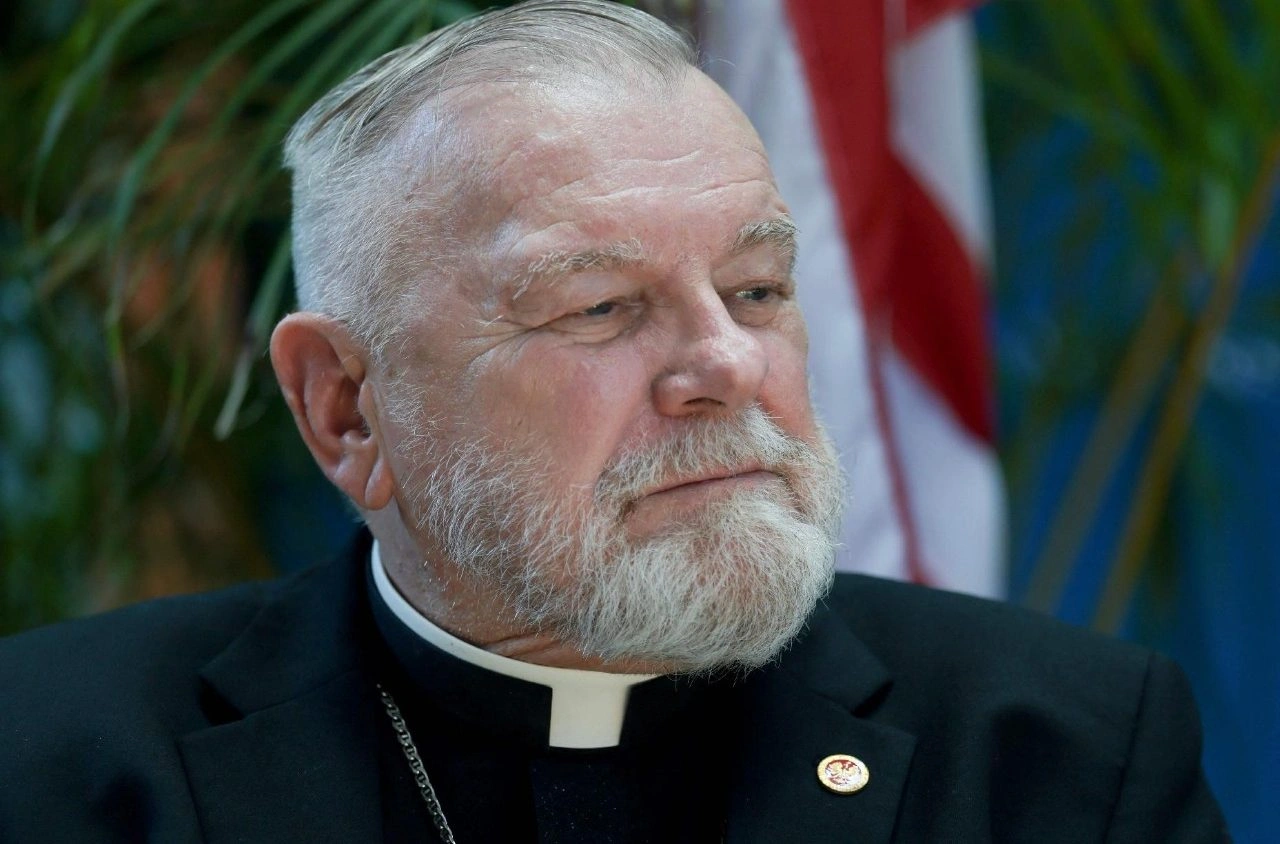
Amid these developments, religious institutions have begun taking a more active role in discussions about the future of artificial intelligence. Faith leaders argue that technological progress must remain grounded in principles that protect human dignity, social stability, and ethical responsibility.
The Catholic Church has been particularly engaged in these conversations, promoting initiatives aimed at guiding responsible technological development. Through efforts such as ethical frameworks for artificial intelligence and academic workshops involving scientists and theologians, the Vatican has sought to encourage a global dialogue on how technology should serve humanity rather than dominate it.
Many religious thinkers also point to the social impact of AI driven digital platforms, particularly on younger generations. Concerns have emerged about the psychological effects of prolonged interaction with chatbots and virtual systems, especially when such technologies replace human relationships or contribute to social isolation.
According to observers in both religious and academic circles, these debates highlight a deeper question about the future role of human beings in a world increasingly shaped by intelligent machines. As artificial intelligence becomes more capable of performing complex tasks, societies must determine how to balance innovation with the protection of human creativity, work, and responsibility.