
Vatican Theology Document Says Human Future Depends on Relationships, Not Technology


A major Vatican theological body has released a new document warning that humanity’s future cannot be secured through technology alone and must be anchored instead in relationships, responsibility, and an integral understanding of the human person. The text argues that rapid advances in artificial intelligence, digital culture, and posthuman ideas are reshaping how people see identity, community, truth, and even faith, creating challenges that demand a renewed Christian vision of what it means to be human.
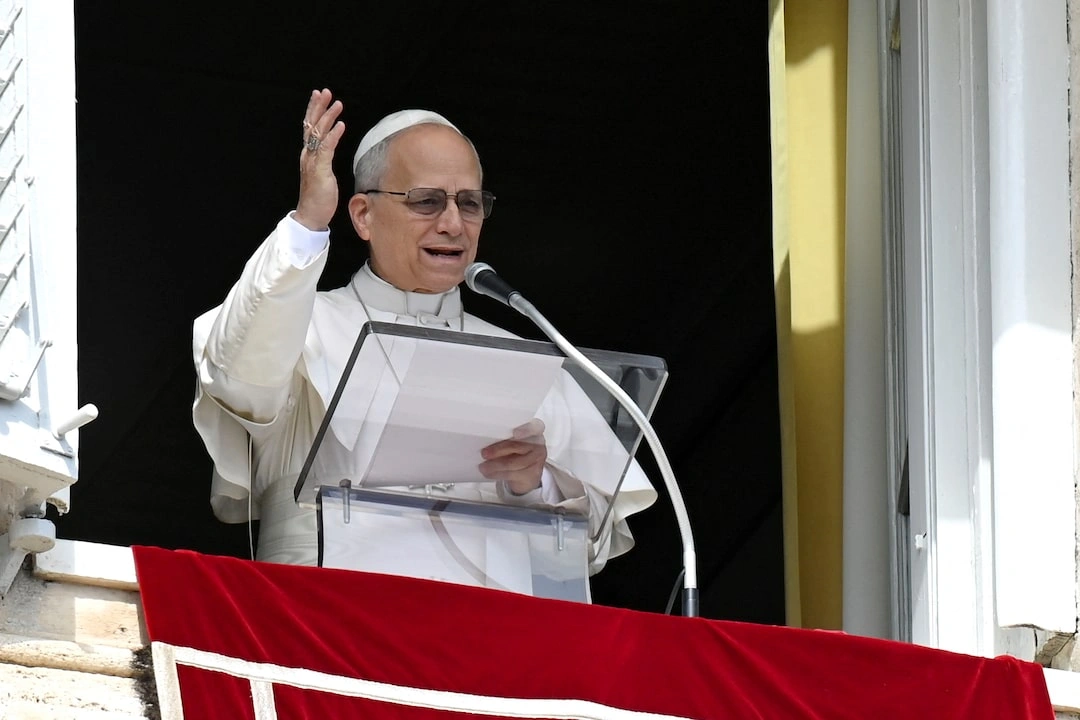
The International Theological Commission has published a document titled Quo vadis, humanitas, approved by Pope Leo XIV on February 9. The reflection presents a theological and pastoral response to what it describes as an epochal shift driven by artificial intelligence and transhuman ambitions. It draws heavily from Gaudium et spes, the Second Vatican Council’s framework for open dialogue between the Church and the modern world, and insists that the human being cannot be reduced to data, performance, or optimization.
The document examines competing visions of progress, including transhumanism, which seeks to improve human life through science and technology, and posthumanism, which envisions replacing or surpassing the human through hybrid or cyborg identities. Between these poles, the text presents Christian anthropology as a path of synthesis rooted in Christ, affirming that human limits are not defects to erase but realities that shape dignity, vocation, and meaning.
A key argument is that digital technology is no longer just an instrument. It has become a living environment that structures daily life, relationships, and social imagination. In this new setting, the idea of what is universal can shift away from shared human nature toward whatever is shared through global connection, with major consequences for culture and politics.
The commission warns that the digital economy can intensify environmental harm through unlimited extraction and profit first logic, widening ecological debt between the global North and South. It also highlights relational risks, including solitude, disorientation, and the tendency to replace embodied relationships with purely virtual contact that lacks place, time, and stability.
Artificial intelligence is treated as a growing force that can process vast data at speed, often beyond meaningful oversight by individuals, companies, or governments. Generative AI, in particular, is described as likely to reshape many tasks traditionally linked to human intelligence, raising the risk of manipulation, social control, and destabilizing power in economic, political, and military systems.
The document also addresses the crisis of public discourse. In an endless market of information and personal data, truth can be distorted and identity conflicts can intensify. When social recognition is pursued through digital signals such as approval metrics, political debate can become polarized and tribal, weakening the social dialogue needed for consensus and solidarity.
Against these pressures, the Vatican reflection emphasizes vocation, memory, and belonging. Human identity matures in love and in concrete relationships within families, peoples, traditions, and communities of faith. The text urges attention to the poor, warning that technological power can treat vulnerable people as collateral damage. It reaffirms the infinite dignity of every human life and presents prayer as an essential expression of humanity that refuses both despair and self worship.