

Middle East Christians Face Fear and Uncertainty as Regional War Intensifies

Christian communities across the Middle East are experiencing growing anxiety and uncertainty as the ongoing conflict involving Iran, Israel, and the United States spreads across the region. The escalation of military operations and retaliatory strikes has created an atmosphere of fear in several countries, affecting both daily life and the fragile stability of minority religious communities.
As bombardments continue and missiles are exchanged between regional powers, the impact of the conflict is being felt far beyond the immediate military targets. Many Christian communities in Lebanon, Iraq, the Gulf region, and the Holy Land are now grappling with the social and psychological consequences of living amid the threat of a wider war.
The situation has raised concerns among Church organizations and humanitarian groups that have long supported Christian populations in the Middle East. Several groups working in the region have expressed alarm at the rapid escalation of violence and the possibility that tensions could spiral into a broader conflict affecting multiple countries.
In Lebanon, where memories of past wars remain vivid, residents have awakened to a climate of tension and exhaustion. Air strikes in areas near Beirut have forced schools to close while families in southern regions have begun leaving their homes following evacuation warnings issued during military operations.
Local Church partners have reported that institutions such as schools, parishes, and charitable centers are operating in an atmosphere of uncertainty. Some religious facilities that were already damaged during previous conflicts now face renewed fear as the security situation continues to deteriorate.
The wider region is also feeling the effects of the conflict. In Iraqi Kurdistan, where international forces maintain a presence, missile strikes have heightened security concerns and forced many residents to remain indoors. Community leaders say people are watching events closely but remain unsure about how the conflict will evolve in the coming weeks.
Christian organizations working in Iraq warn that prolonged instability could make it even harder for displaced Christian families to rebuild their lives after years of conflict and migration. Some fear that renewed tensions could encourage further emigration from a region where Christian populations have already declined significantly in recent decades.
In Gulf countries such as Bahrain, Christian communities have taken precautionary measures as regional tensions rise. Churches have suspended public gatherings and moved liturgies, catechism classes, and other pastoral activities online to ensure the safety of worshippers.
Despite these restrictions, Church leaders are encouraging believers to remain united spiritually during the crisis. Priests and pastoral workers are urging parishioners to maintain hope, pray for peace, and support one another through digital platforms and community outreach.
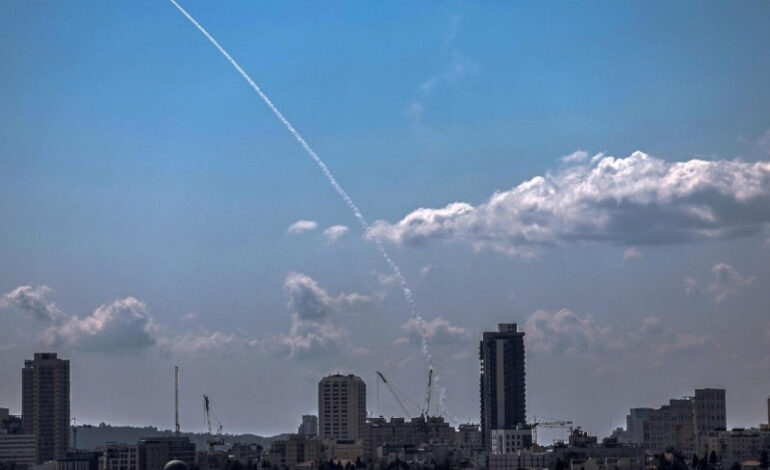
In the Holy Land, sirens and air raid alerts have become part of daily life as missiles launched during the conflict pass through the region. Religious communities and pilgrims have sought refuge in secure areas during alerts, while churches continue to hold special prayers for peace and reconciliation.
Across the Middle East, many Christians see the current crisis as another painful reminder of the fragile situation facing religious minorities in a region shaped by ongoing political and military tensions.