




Somalia Faces Rising Hunger Crisis as Millions Risk Severe Food Insecurity
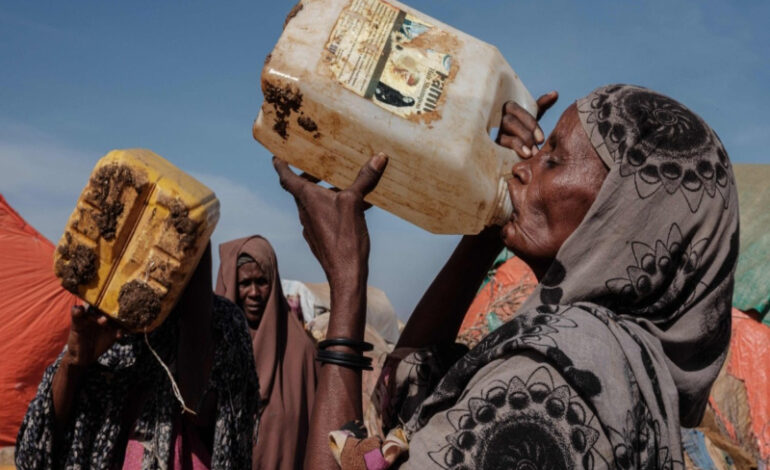

Somalia is facing a worsening humanitarian emergency as millions of people risk falling into severe food insecurity, according to new warnings from international organizations. Recent assessments indicate that the country is approaching a critical stage where hunger, malnutrition, and poverty could intensify across several regions if urgent assistance is not mobilized.
Latest projections suggest that around 6.5 million people in Somalia may experience acute food insecurity during the first months of 2026. The situation is particularly alarming for children, with an estimated 1.8 million under the age of five considered vulnerable to hunger and nearly half a million already suffering from severe malnutrition.
Food security analysts classify a large portion of the population in high risk categories. Roughly one third of Somalia’s population is currently experiencing serious food shortages, while millions more are living under emergency conditions that could quickly deteriorate into famine if the crisis continues to escalate.
The roots of the current crisis are complex and involve several overlapping challenges. One of the primary drivers is a severe drought that struck the country during the second half of 2025. The drought abruptly ended a two year period of relatively stable rainfall that had temporarily improved agricultural production and livestock conditions.
Many communities that depend on farming and herding have been especially affected. Central and southern Somalia, where agriculture and livestock remain the main sources of livelihood, have experienced the most significant losses. Farmers have struggled with failing crops while pastoralist communities have seen large numbers of animals weakened or lost due to water shortages.
Internally displaced populations are also among the most vulnerable groups. Families who have already been forced from their homes by past conflict or environmental disasters often lack stable access to food, water, and employment opportunities.
Climate pressures alone do not explain the full scale of the crisis. Somalia continues to face persistent security challenges linked to extremist violence and political instability. These conditions disrupt markets, prevent farmers from accessing land, and limit the ability of humanitarian organizations to deliver assistance in some areas.
Economic pressures are further worsening the situation. Rising prices of imported goods have made basic food items increasingly unaffordable for many households. For families already struggling with reduced income, these price increases have pushed food out of reach.
At the same time, humanitarian aid reaching affected communities has declined significantly. Reports indicate that only a small portion of those requiring assistance have received support in recent months, raising concerns that the crisis could deepen if funding and resources remain limited.
Government officials have begun discussing possible strategies to address the emergency. Meetings in the capital Mogadishu have brought together representatives from national ministries and disaster management agencies to explore ways of strengthening the country’s response.
However, observers warn that the scale of the crisis requires broader international engagement and coordinated relief efforts. Without expanded assistance and long term recovery plans, millions of Somalis may continue to face severe hunger and worsening humanitarian conditions.