




AI in disarmament discussions open Castel Gandolfo talks
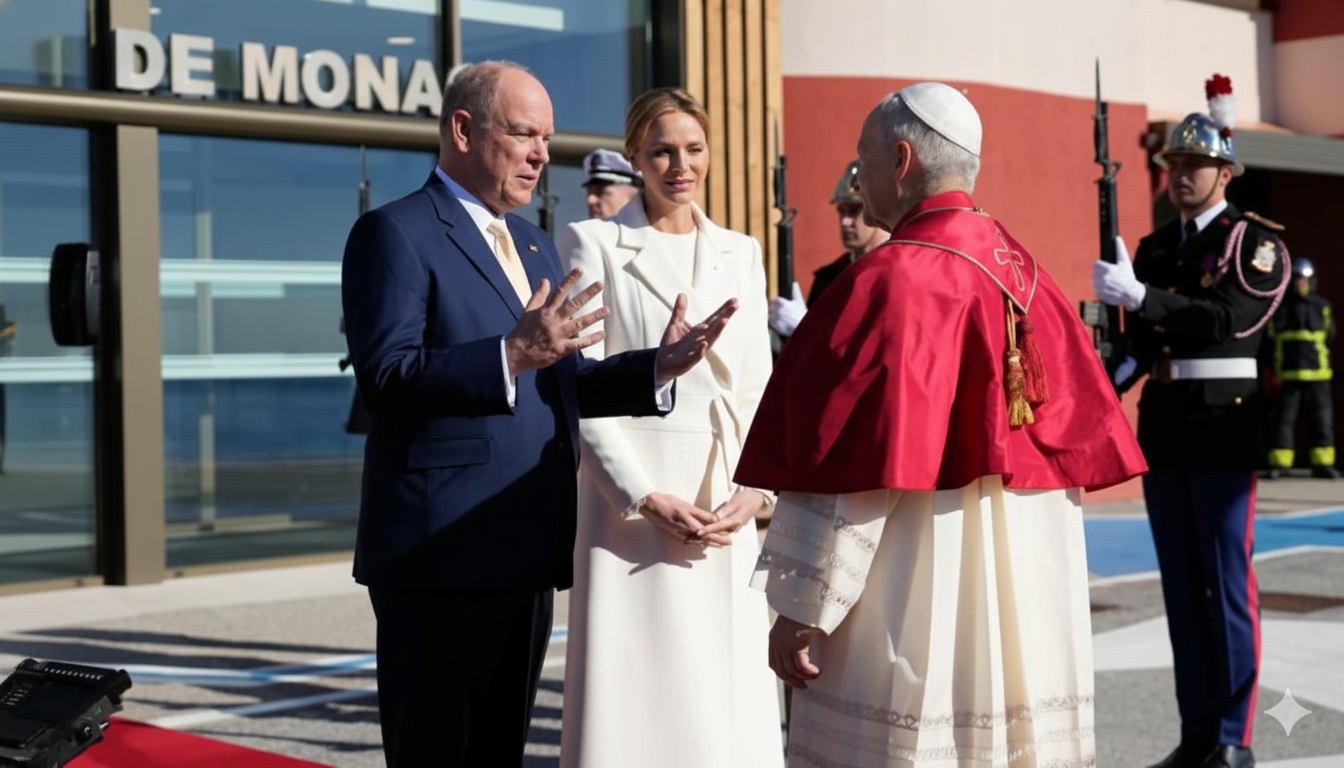
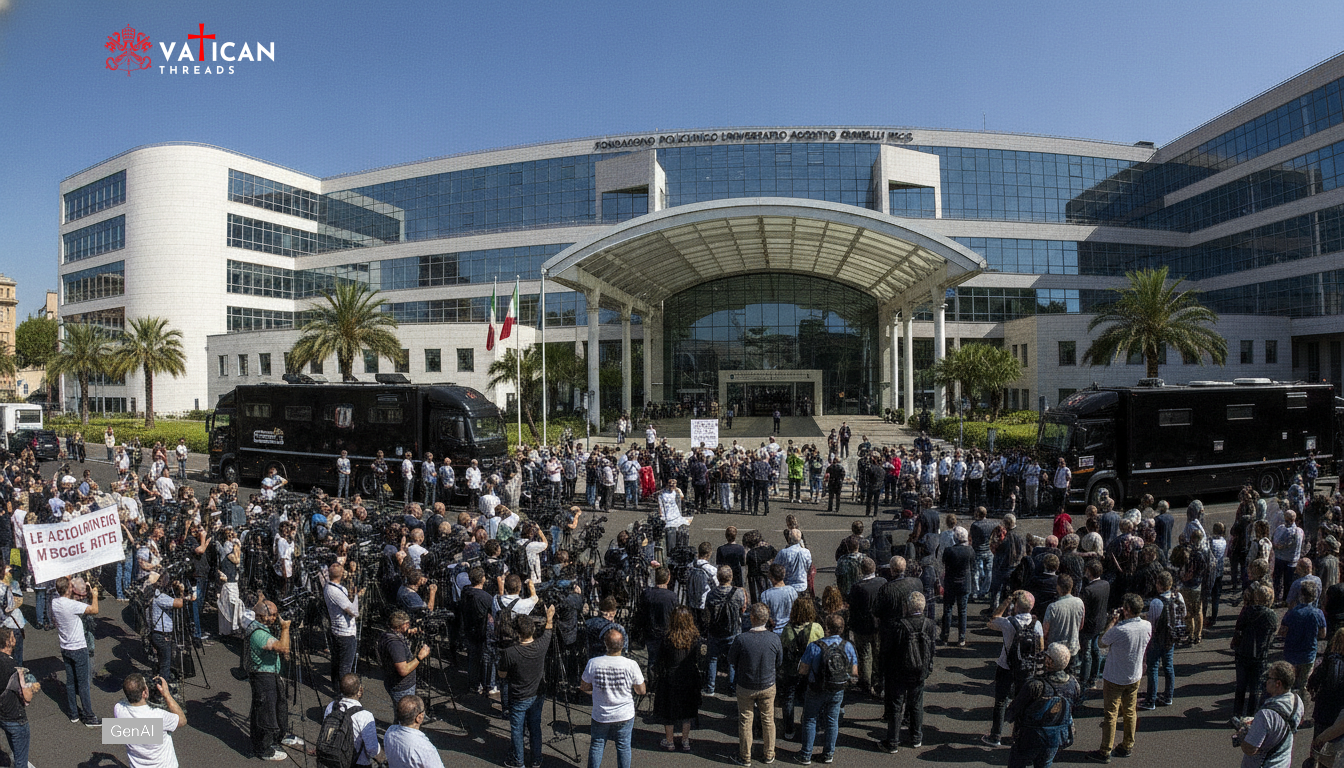
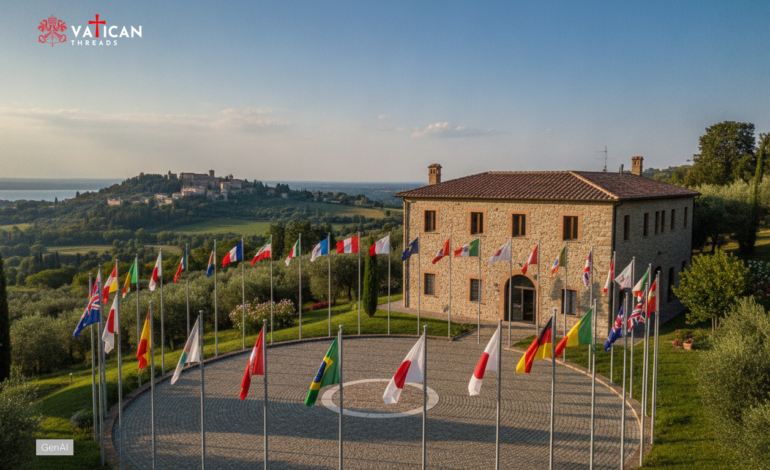
AI in disarmament discussions set the agenda as delegations arrived at Borgo Laudato Si in Castel Gandolfo for reportedly closed-door sessions on nuclear risk, diplomatic guardrails, and moral responsibility. Participants gathered to examine how faster decision cycles can raise escalation dangers. The meeting reportedly focused on war prevention and governance, with emphasis on pairing nuclear disarmament with credible verification, crisis communication, and human accountability. Organizers described the venue as a working setting rather than a ceremonial stop, aiming for recommendations that could be carried into multilateral forums and national security reviews, according to available reports.
How AI can compress warning and command timelines
Technical briefings focused on how machine learning systems can shape early warning, targeting, and command workflows, and why those links can increase miscalculation risk. The coverage of the assembly includes discussions on how automated pattern recognition and decision support tools may encourage rapid escalation if they are opaque, brittle, or vulnerable to spoofing. A comparative note on transparency standards in other high stakes systems governance appeared in Stablecoin Transaction Volume Jumps in June as Reserves Dips, used to illustrate how oversight can lag innovation.
Rome Declaration goals: verification, auditability, accountability
Negotiators and legal scholars assessed how the Rome Declaration could translate shared language into measurable policy choices, including possible requirements for explainability in military contexts and proposed red lines around autonomy. Participants linked AI in disarmament discussions to verification innovation, incident reporting, and procedures intended to preserve accountable human authority in nuclear-related decisions, as indicated by reports. Related Vatican diplomacy context was referenced through Pope Leo XIV bank call urges peace and diplomacy now and Pope Leo XIV’s Prayer Appeal for Peace in Ukraine as examples of how moral framing is linked to concrete peacemaking.
Nobel laureates weigh deterrence stability claims and AI risk
Nobel laureates urged participants to treat deterrence stability claims with skepticism when systems are fast, complex, and difficult to independently evaluate. Panelists reportedly argued that even small errors in sensor fusion or misinterpreted alerts could have outsized consequences in nuclear command chains. Additional related reading on Vatican public messaging and leadership tone appeared in Pope Leo XIV speaks as shepherd, teacher, and guide, and they stressed that responsible leadership requires designing for failure, including cross-checks, deliberate pacing, and clear escalation signaling that resists misinformation and cyber interference.
Next steps: bringing outcomes into UN processes in 2026
Working groups discussed how to carry outputs into UN processes and regional security dialogues during 2026 without losing technical specificity. To ground the conversation in contemporary security pressures, the discussion also pointed to wider regional instability, as reported in July 2026, including Iran conflict sees more disruption of key waterway. Participants highlighted that nuclear disarmament progress depends on diplomatic credibility and verification capacity, and that AI governance should align with existing nonproliferation commitments, as described in available reports. Organizers emphasized proposals oriented toward testing standards, incident reporting, and crisis communication channels designed to be resilient to cyber interference. The closing emphasis remained on enforceable norms that reduce miscalculation and limit incentives for rapid escalation, as summarized by reports.