


What the Archbishop Gallagher Ukraine visit is focused on
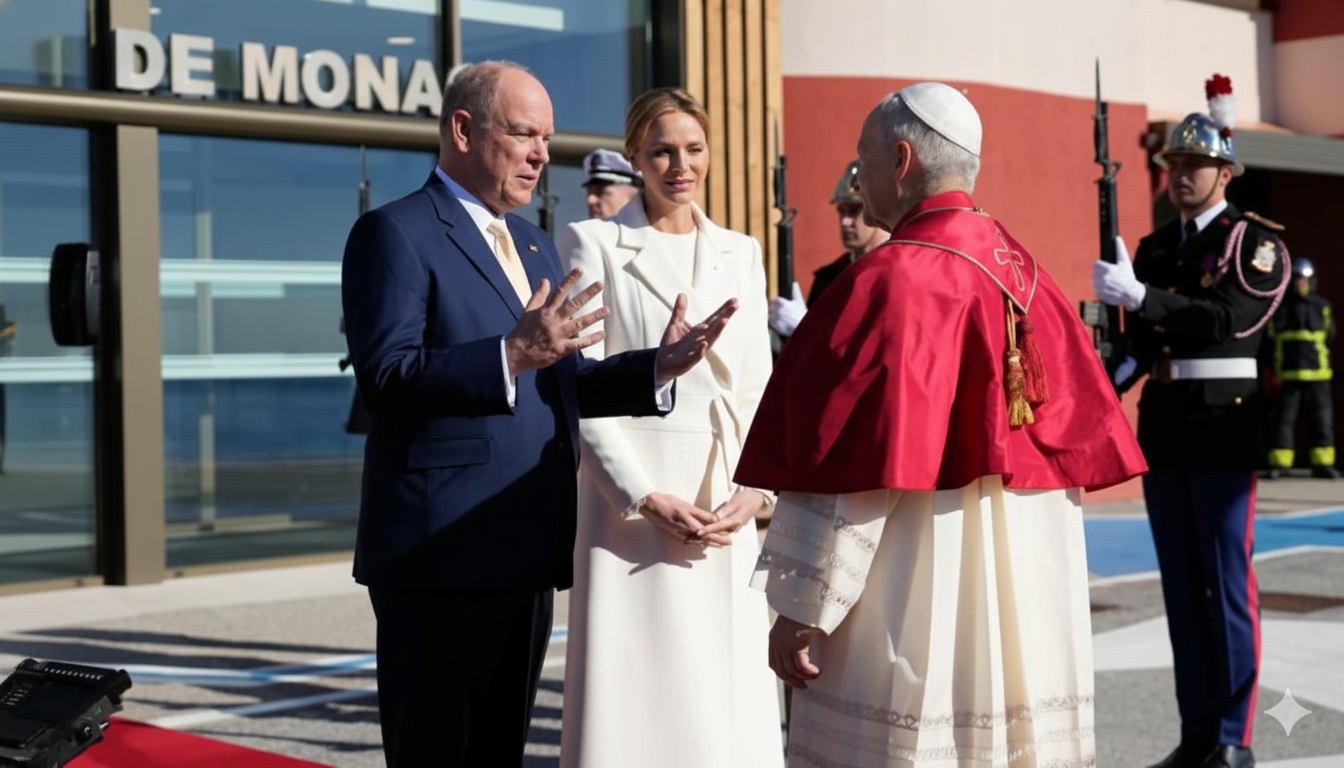
Archbishop Paul Richard Gallagher has returned to Kyiv as a papal envoy, and his mandate has been described in Vatican coverage as both pastoral and diplomatic, with attention to humanitarian concerns, according to available reports. In meetings reported with church leaders and civil officials, the visit has highlighted protecting civilians, sustaining channels for detainee and prisoner-related matters, and supporting local pastors working under disruption, as indicated by Vatican reporting. Vatican messaging has also emphasized that negotiations should be credible rather than merely symbolic, while maintaining moral clarity about victims and aggression, according to available reports. Gallagher has reiterated in Holy See communications that the Vatican seeks engagement with all sides, with a consistent focus on human life, conscience rights, and the free exercise of religion.
Latin Rite anniversary context during the Kyiv trip
The trip coincides with the 35th anniversary of the restoration of the Latin Rite Church structures in Ukraine, as indicated by available reports, and Church leaders have treated the commemoration as more than ceremony. In its reporting on the visit, Vatican News highlighted his call for a just peace grounded in concrete conditions, not slogans. Gallagher used the anniversary context to underline that parish life, education, and charitable work can function as a form of resilience when civic routines break down, according to available reports. A practical effect has reportedly been renewed coordination among dioceses serving mixed communities where liturgical identity and public solidarity can pull in competing directions.
Church sources have also treated the anniversary as an opportunity to clarify governance under stress, especially on property administration, personnel movement, and safeguarding protocols during displacement, according to local Church commentary referenced in coverage. Within that frame, the Archbishop Gallagher Ukraine visit has been used to reinforce consistent decision-making between local ordinaries, religious institutes, and the nunciature, as observers have described it. Observers also note that civil society partners increasingly ask faith communities for administrative reliability, not only public statements, a shift that can carry budget and compliance consequences. For a separate example of how governance tools evolve under security pressure, see France-Germany defense cooperation talks restart. The anniversary events have therefore reportedly doubled as working sessions alongside liturgies.
Just peace conditions raised in Kyiv
Gallagher’s conversations have highlighted just peace conditions that Vatican diplomats have described as important for durable outcomes, including security guarantees that protect civilians, access for humanitarian relief, and a process that addresses detainees and separated families, according to Vatican reporting. Related Vatican engagement has been tracked through prior initiatives, including Cardinal Zuppi ends Ukraine peace talks in Kyiv mission and Cardinal Zuppi Ukraine visit: prayers for just peace, which show how successive missions have emphasized humanitarian corridors and dialogue mechanisms. Vatican News framed these points as rooted in moral law and international law rather than tactical advantage, and noted attention to displaced people and communities near front lines. The envoy has also stressed, in terms reported by Vatican media, that Church structures should keep operating even when clergy are evacuated, which may require delegated authority, transparent communication, and documented decisions.
How Vatican diplomacy frames the peace effort
The Holy See has kept its public posture centered on ceasefire aims, protection of noncombatants, and negotiation frameworks that do not erase accountability, as reflected in Vatican News coverage. During papal envoy engagements in Ukraine, Gallagher has echoed Pope Francis’ approach of combining diplomatic discretion with repeated moral appeals, while avoiding language that could foreclose mediation, as indicated by Vatican reporting. Vatican News characterized the line as insisting that peace must be just, meaning it cannot be reduced to a pause that leaves communities exposed or rights suspended. The Vatican has also signaled in its public communications that local churches should not become instruments of propaganda, a warning that shapes how bishops communicate with political leaders and media outlets. In practice, Gallagher’s task is often described as translating principles into working relationships that keep Church humanitarian actors able to coordinate safely with state agencies and partners.
Governance implications for the Catholic Church in wartime
The immediate implications are often described as administrative rather than ceremonial: dioceses must plan for continuity of worship, schooling, and Caritas-style assistance under volatile security conditions. The mission associated with Archbishop Gallagher has encouraged bishops to formalize contingency procedures, including delegated faculties, secure record keeping, and clear protocols for clergy movement across regions, as described in Church and Vatican-linked commentary. That tension appears elsewhere in Europe, as explored in Catholic Church governance tested by France end-of-life law. In internal discussions, the papal envoy’s Ukraine visit has also raised questions about how episcopal conferences communicate unified positions while respecting local pastoral realities, according to observers. In Ukraine, governance choices are more directly tied to physical safety, humanitarian access, and public trust in Church neutrality and service.