
Christianity in the UK Shifts Toward Immigrant Growth While Concerns Rise Over Emerging Christian Nationalism


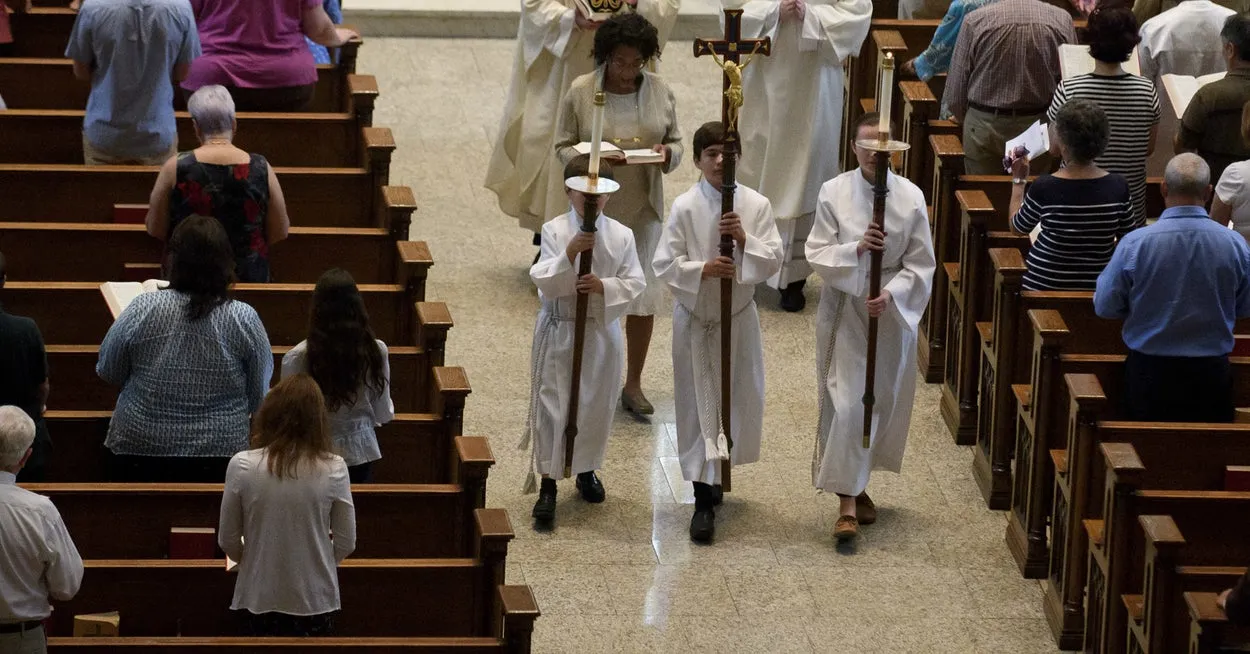
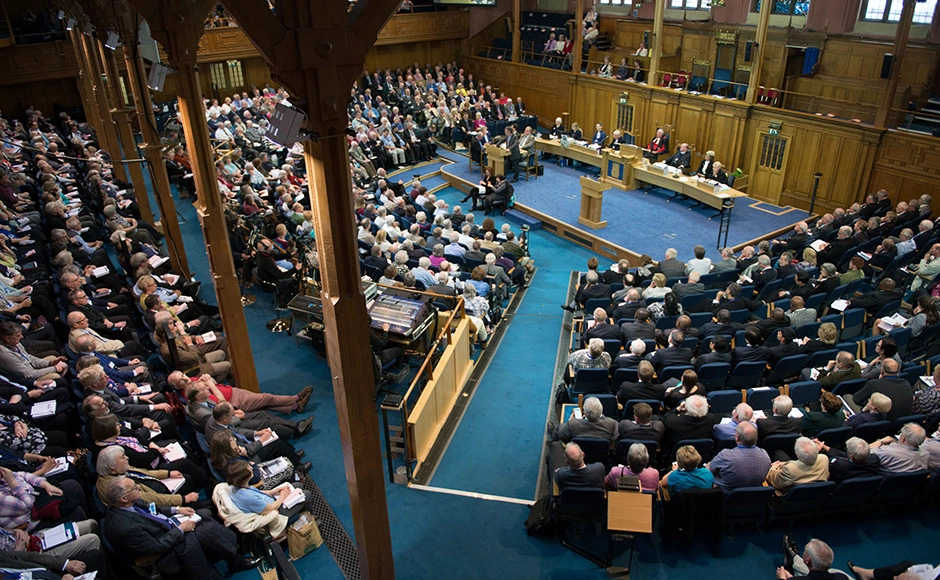
Christianity in the United Kingdom is undergoing a complex transformation, with overall long term decline in traditional church attendance contrasted by visible growth within immigrant and ethnic minority communities. New analysis highlights how churches in diverse urban areas are sustaining and, in some cases, expanding congregations even as national identification with Christianity continues to fall.
Academic commentary from Theology and Religious Studies suggests that while Christianity was once closely tied to British national identity, that connection has significantly weakened over recent decades. In the late twentieth century, a large proportion of the population still identified as Christian, even if regular participation in religious practice was declining. This identity based affiliation has since diminished further, reflecting broader cultural and demographic shifts across society.
Recent data shows a continued decline in Christian identification, with fewer people describing themselves as Christian compared to previous generations. At the same time, research indicates that religious pluralism has expanded, with multiple faith traditions contributing to the UK’s cultural and spiritual landscape. Immigration has played a key role in sustaining church attendance in some areas, particularly through communities that maintain strong religious practice as part of their cultural identity.
Despite this, experts warn that Christianity is being interpreted in different ways in public life. Some commentators point to the emergence of narratives that link Christianity with national identity, raising concerns about the potential rise of a more politicised form of religious expression. This includes discussions around whether religion is being used to define cultural belonging or reinforce specific visions of British identity in political debate.
The analysis also notes that while institutional Christianity faces challenges, including declining trust and reduced participation, it continues to play a meaningful role in community building. Churches remain active in providing social support, charitable services, and spaces for community engagement, particularly in diverse urban areas where faith communities are more dynamic and varied.