





Pope Leo 2026: What he said about Nepal’s floods
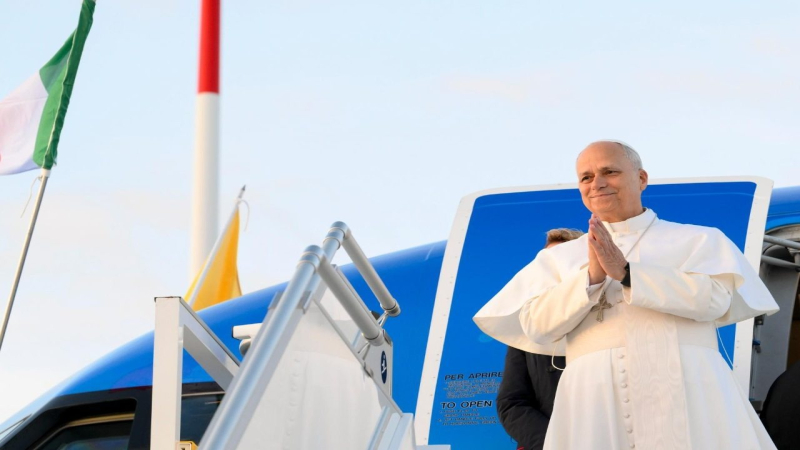
Global attention has focused on the pontiff’s response to Nepal’s monsoon flooding, reportedly in August 2026, offering prayers for victims and urging practical solidarity. In remarks relayed by Vatican media and as indicated by reports attributed to the Publisher, Pope Leo 2026 reportedly expressed closeness to families who lost relatives, homes, and livelihoods and called for sustained help beyond the first news cycle. According to Vatican media and church officials speaking in general terms, Catholic communities in Nepal were coordinating pastoral outreach alongside emergency responders, with a focus on dignity, protection of the vulnerable, and reliable aid delivery. Vatican communications framed the moment as both mourning and action, encouraging Catholics to support established charities and diocesan relief channels rather than unverified collections.
Nepal floods 2026: impact and urgent needs
According to reports cited by local authorities and relief coordinators, floodwaters in Nepal have disrupted transport corridors and isolated neighborhoods, complicating the delivery of food, clean water, and medical care. An international dimension has also emerged, with a US bishop urging broad assistance through Vatican News coverage of the appeal for Nepal, while local authorities and security forces have reportedly carried out evacuations as hospitals manage injuries and heightened risks of waterborne illness in the aftermath. Relief coordinators have highlighted safe drinking water, temporary shelter, and rapid damage assessments as immediate priorities while access remains limited in some areas. For comparison on how governments sometimes structure emergency allocations, see Portuguese natural disasters: Portugal releases €10m.
Vatican response: diplomacy, charities, and coordination
In the context of disaster messaging, the Holy See typically supports relief efforts by amplifying credible appeals, directing charitable channels, and encouraging bishops’ conferences to coordinate contributions through vetted organizations such as Caritas networks and diocesan funds that can purchase supplies locally. Vatican communicators have emphasized, in general guidance, transparent partnerships, needs-based planning, and avoiding duplicated shipments that can overwhelm local logistics. In the context of Pope Leo 2026, related context on the pontificate’s public engagement can be found in Pope Leo XIV Barcelona visit: youth plan pilgrimages. Alongside public prayer, officials may use diplomatic and ecclesial contacts to keep communication open with local churches and humanitarian partners, which may help identify urgent gaps quickly. For more on how worship connects to public witness, see Liturgical reform: Pope Leo XIV urges deeper renewal.
Prayer and pastoral care: what parishes are doing
Church leaders have encouraged parishes to pray for victims, rescuers, and officials making difficult decisions in damaged communities, while stressing that prayer complements, not replaces, concrete assistance. Many dioceses, according to standard diocesan practice described by church officials, pair special intentions at Mass with collections routed through established relief partners and with practical offers such as trauma support referrals, temporary housing contacts, and help replacing essential documents. The pastoral aim is to strengthen resilience and communal care during prolonged recovery, especially for children, older people, and displaced families who may face elevated risks after flooding. For broader discussion on ethical coordination and trustworthy information systems in crises, see Church response to AI: Filipino theologians lead.
How to follow updates and help responsibly
Readers tracking statements should look for updates through official Vatican channels and reputable diocesan communications, especially when donation links circulate rapidly during major disasters. Best practice is to give through recognized Catholic relief structures or vetted humanitarian organizations with clear reporting, local procurement plans, and safeguards for vulnerable groups. Pope Leo 2026 messaging has frequently indicated verifying official channels before sharing appeals. When parishes organize collections, donors can ask how funds will be transferred, what oversight exists, and whether partners are already operating in the affected districts. Longer-term support can matter after headlines fade, including funding for rebuilding, psychosocial care, and community health measures that may reduce disease risk after floodwaters recede. Staying informed and giving deliberately can improve outcomes while respecting local leadership and needs.
1 Comment
[…] Pope August 28, 2026 […]