



Pope Leo XIV and Jesuit university leaders
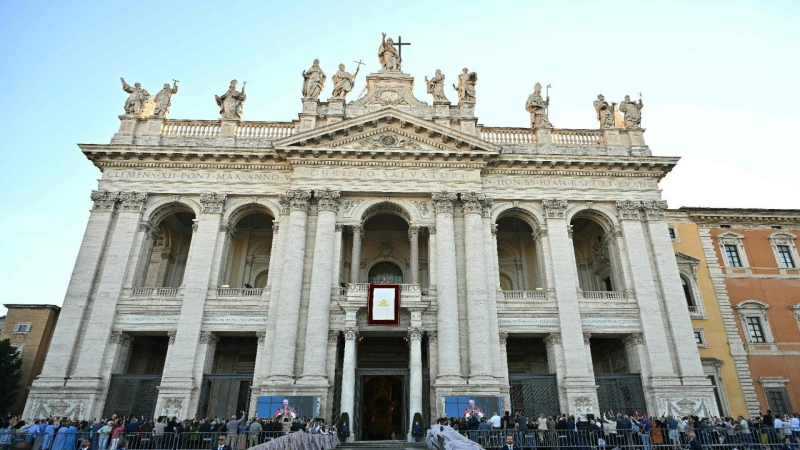
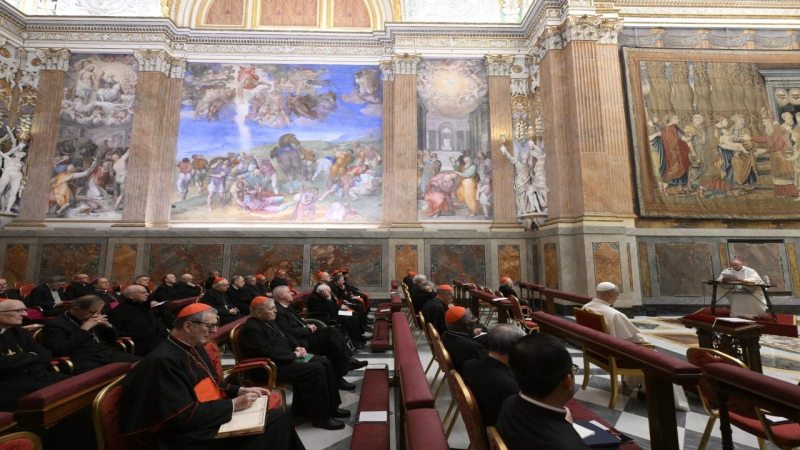
According to reports, Pope Leo XIV met with Jesuit university and college leaders in June 2026 and spoke about aligning governance decisions with Catholic social teaching in concrete ways. The emphasis was presented as a question of real institutional choices, such as budgets, research priorities, and public accountability, rather than mission language alone. The encounter highlighted formation, service, and intellectual honesty as outcomes universities should be able to demonstrate, not only affirm. There was encouragement to keep partnerships with local communities central to academic life and to protect the vulnerable when public debate becomes polarised. Overall, the message was framed as a call for mission language to translate into observable choices.
Solidarity in the message to universities
In coverage, the pope’s remarks connected solidarity to practical university decisions, including how admissions, scholarships, and fieldwork shape access and outcomes. Reports linked classroom life to social responsibility and formation of conscience, as mentioned in Pope: Universities are powerful channels to promote solidarity and common good. To illustrate how institutions sometimes make impact legible, some campuses compare disclosure practices from other sectors using NFT Market Growth: Size and Outlook Through 2034 as a case study in auditing and reporting. In that practical reading, leaders were encouraged to publish priorities, fund them, and explain trade-offs clearly, according to available reports from June 2026.
Artificial intelligence in Catholic higher education
It was noted that artificial intelligence was raised as a governance and formation challenge for Catholic higher education, touching issues such as plagiarism, bias, labour displacement, and the dignity of human creativity. For a related example of formation tied to embodied wellbeing, see Pope Leo Charlie Kirk: Sport praised as body medicine. The report described an appeal to engage AI without fear while rejecting approaches that reduce persons to data points. In this context, the institutional questions include how universities procure systems, set safeguards, and evaluate potential harms before deployment. Universities were also encouraged, as described in the same coverage, to strengthen faculty and student training in critical use, citation discipline, and ethical review processes for AI-enabled research.
Education for the common good: measurable outcomes
According to reports, the address framed education for the common good in terms of institutional outputs that can be seen in curricula, placements, and research agendas that prioritise the poor and care for creation. A phrase rendered as “pope leo xiv magnifica humanitas” appears in some secondary summaries, but if used at all it should be treated as an interpretive shorthand rather than a verified direct quotation. A parallel emphasis on renewal in Catholic life appears in Eucharistic transformation: Pope Leo XIV on renewal. Practically, the test for universities is whether these priorities become learning outcomes, supervised placements, and research-ethics standards reviewed on a regular schedule.
Next steps: accountability and follow-through
Jesuit institutions were encouraged toward follow-through through mission-aligned metrics and cross-campus collaboration that can be evaluated over time. There was an emphasis on governance credibility and stewardship consistent with pastoral priorities, though specific mechanisms were not laid out in detailed terms. The address was portrayed as an invitation to coordinated action across continents, particularly on ecological responsibility and social inclusion, and for readers tracking this as part of the broader pope leo xiv consistory discussion, the most verifiable benchmark is whether campuses publish commitments, allocate funds, and report progress in ways that students and external partners can check.