
Why the Pope Leo XIV Lampedusa visit matters
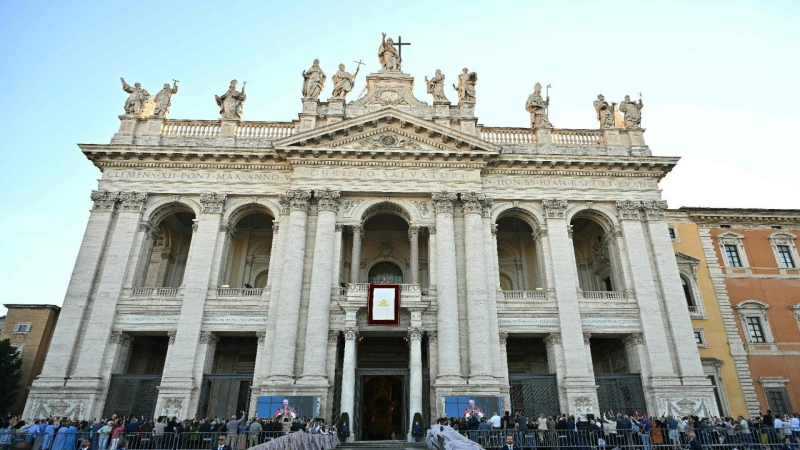
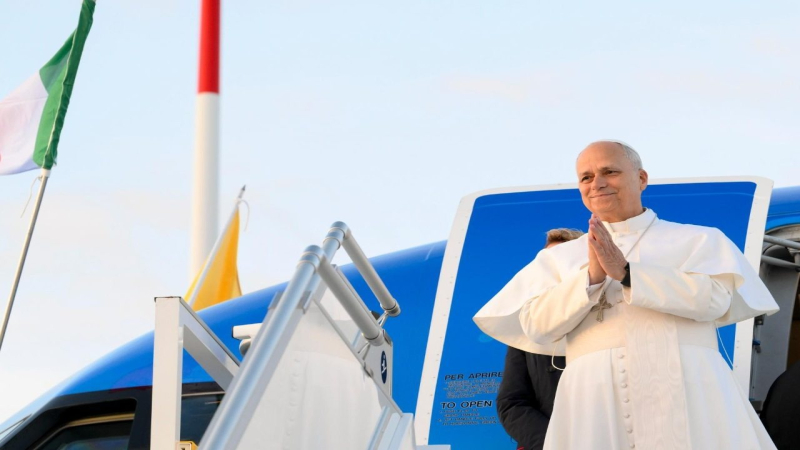
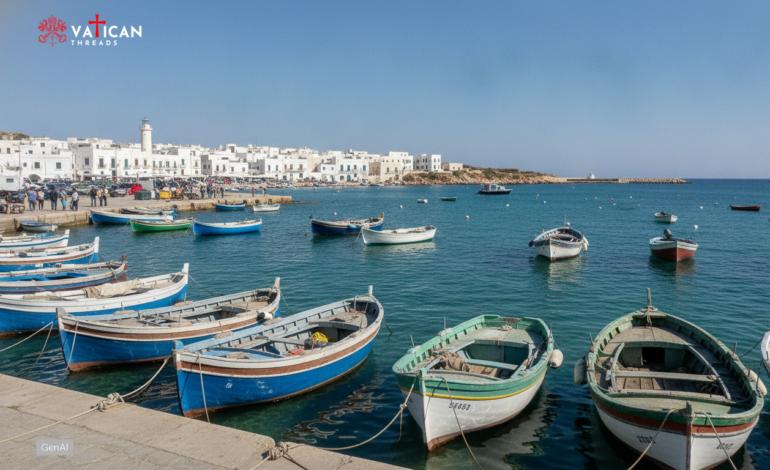
The Pope Leo XIV Lampedusa visit brought a schedule centered on prayer, meetings, and a public appeal on migration, as reported by Vatican communications. The trip placed the island at the center of a wider debate about rescue, reception capacity, and responsibility sharing across borders, according to local officials and clergy. During the visit, local officials highlighted the pressures faced by residents and volunteers working near landing areas and temporary shelters. Vatican observers described the stop as a pastoral encounter, reminding us of the lives lost during Mediterranean crossings. The pontiff expressed gratitude to island communities for maintaining services under strain and encouraged a response rooted in human dignity and lawful pathways.
Lampedusa and the migration route in 2026
Lampedusa is often described by Italian authorities and aid groups as a key landing point on the central Mediterranean route, with local institutions noting that capacity can be tested during sudden inflows. Municipal leaders have pointed out that recurring strain can affect essential services like medical care and temporary accommodation. In a separate report by Vatican News, there was a focus on concrete assistance initiatives, such as meals and direct support for those in need, highlighted in Pope to have lunch with 200 poor people from Rome in Castel Gandolfo. Advocates have also noted that mobility and safety rules can influence cross-border movement, as discussed in EU passenger rights: Parliament backs tougher airline rules.
Prayer, memorials, and meetings on the island
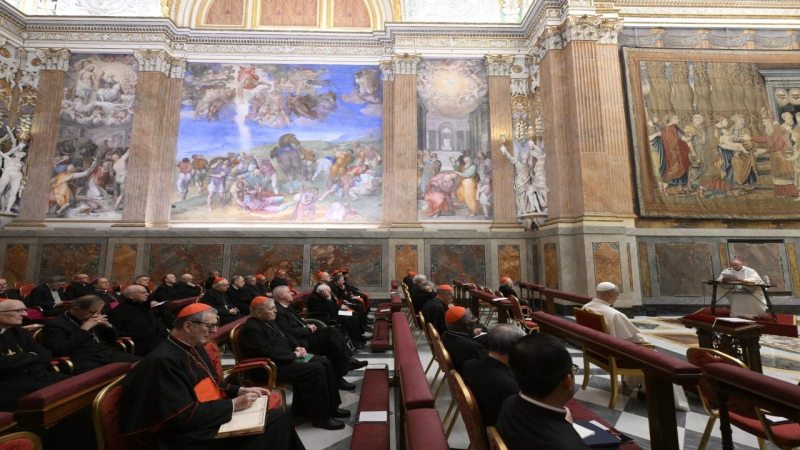
During the visit, the Pope engaged in gestures intended to honor those lost and motivate frontline workers, as indicated by organizers and clergy. He paused for silent prayer, listened to testimonies, and met with migrants assisted by church and civic networks. Clergy members believe memorial practices help communities process grief while maintaining public attention on safety issues. For additional context on how Vatican messaging uses moral language to emphasize shared European responsibility, refer to Pope Leo Lampedusa visit: migration and EU responsibility. Organizers noted that the itinerary focused on protection and safe pathways, rather than solely on emergency response.
Impact on policy, funding, and local services
Church officials in Lampedusa hope the visit may amplify local requests for more predictable support, such as staffing and medical capacity. Catholic charity coordinators believe the visit could renew coordination with dioceses across Italy, particularly during unexpected increases in arrivals. Civil protection representatives suggested that increased visibility might help align national resources with operational needs. For further insights into the themes shaping his public interventions, see Encyclical of Pope Leo XIV: Themes and Context. In 2026, clergy leaders also highlighted the importance of protecting minors and resisting trafficking networks.
Hope and solidarity after the visit
In his closing moments with residents and visitors, the pontiff underscored the importance of practical solidarity, not just rhetoric, as noted by aides and local parish representatives. He praised volunteers and medical teams for their ongoing efforts, urging parishes to sustain concrete aid, as reported by organizers. Vatican News has also noted church leaders advocating for action to maintain vulnerable communities in other pressured regions, such as in the West Bank parish priest’s call for action to preserve Christian presence. The pontiff encouraged leaders to measure success by safety, dignity, and workable legal routes, rather than deterrence. Parish representatives on the island affirmed their commitment to pairing prayer services with material support for new arrivals following the visit.