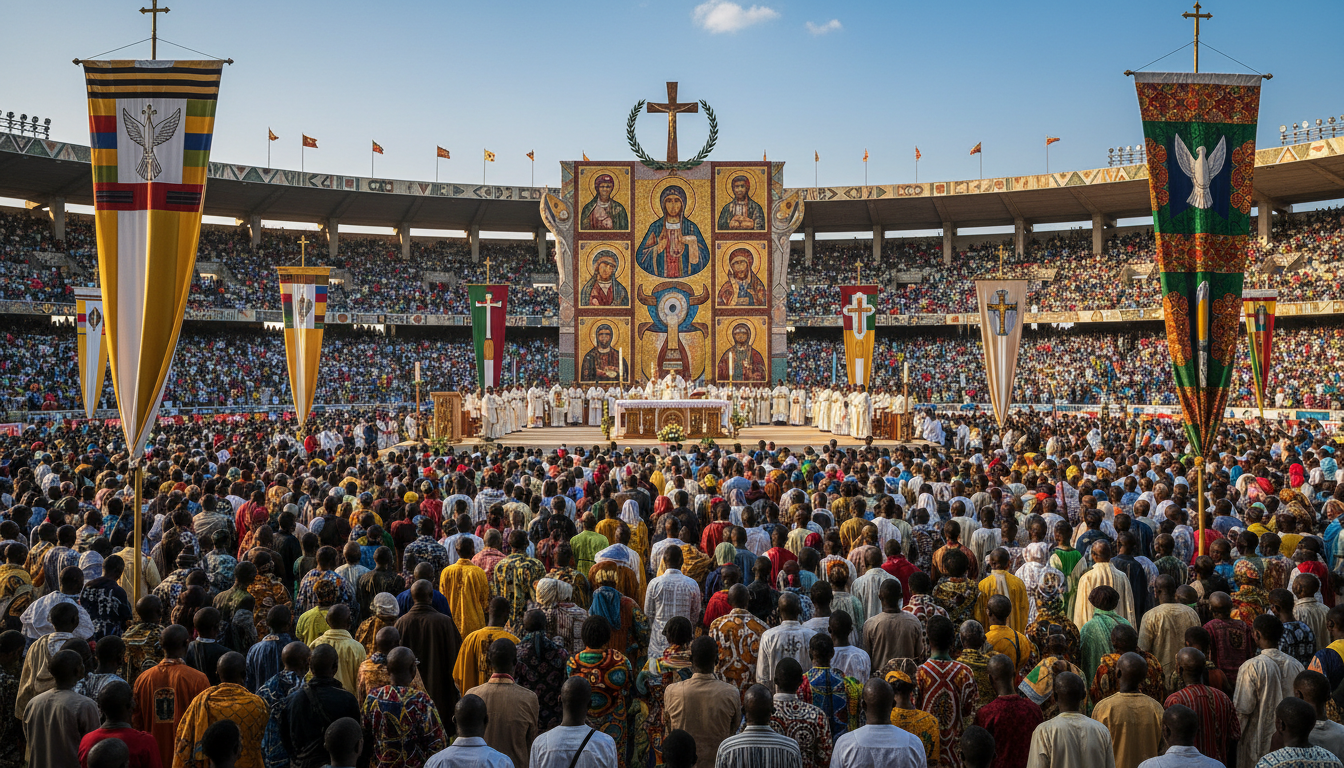


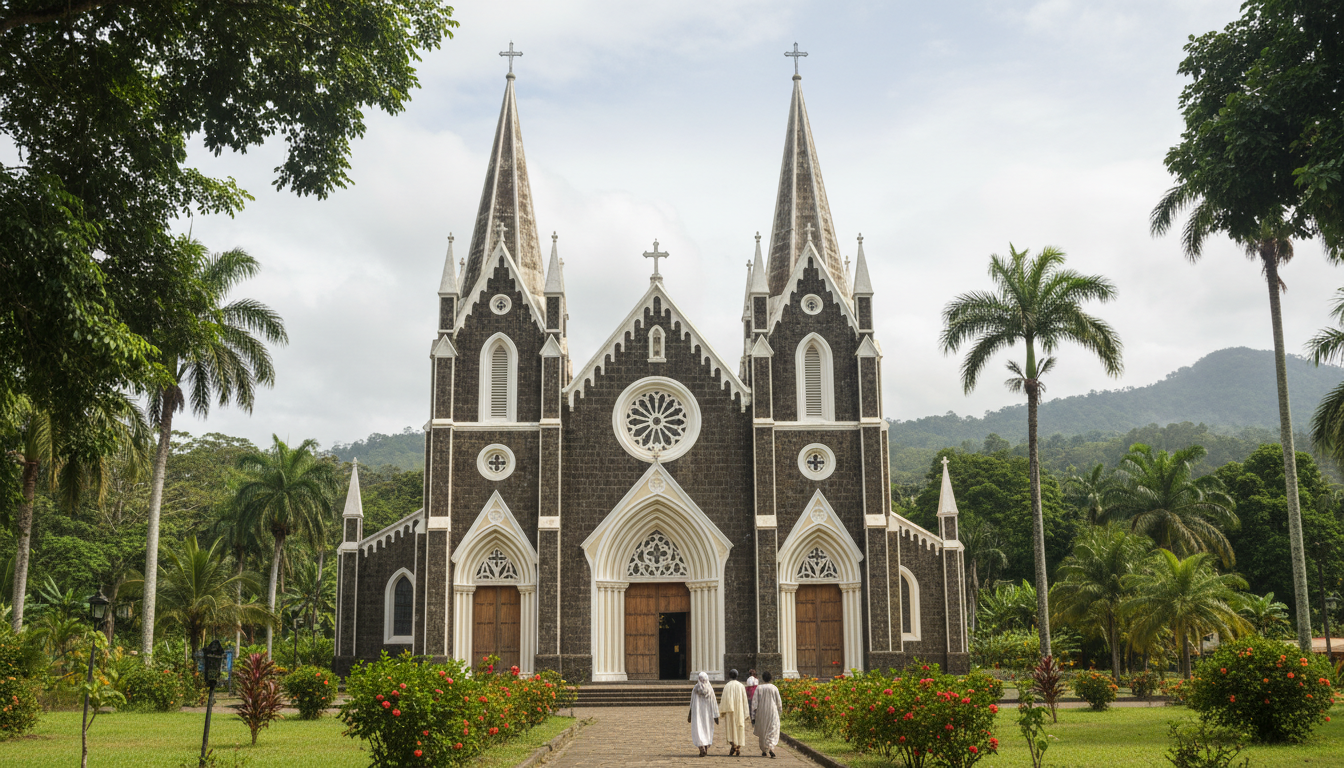


Highlights from the Apostolic Journey
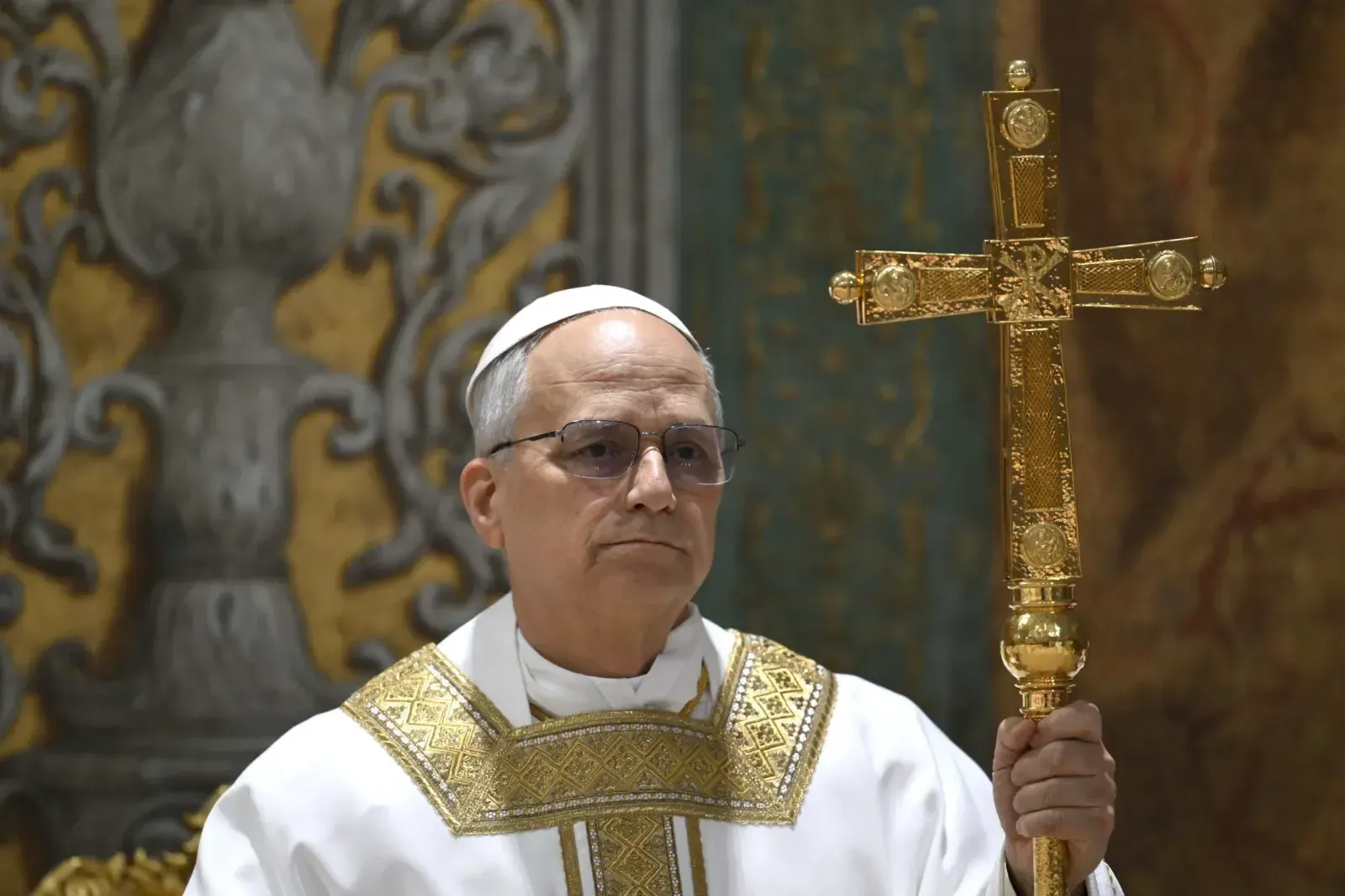
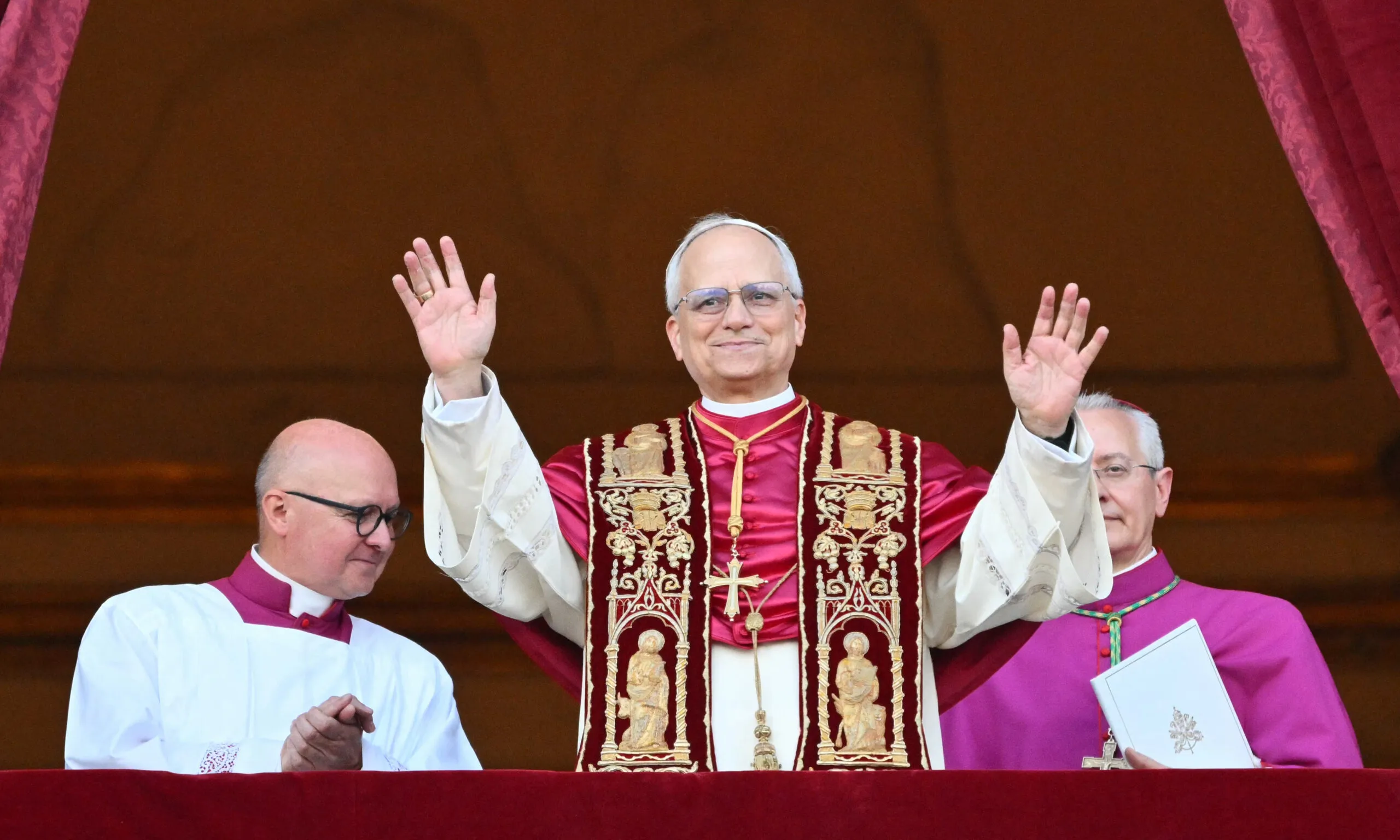
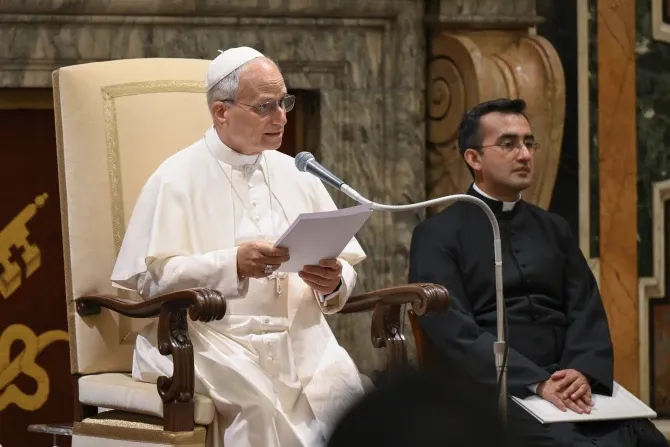
From Rome, Pope Leo XIV used his general audience reflections to focus on what he called the most urgent takeaway from his Africa visit, the need to lower the temperature of conflict. Midway through the address, he framed the week as a pastoral itinerary built around meetings, prayer, and public appeals, rather than ceremony. He described the Pope Apostolic Journey as a practical test of whether religious leadership can hold attention on civilians when war dominates headlines. Today, aides in the Secretariat of State briefed journalists on follow up contacts with local bishops and aid partners. The Vatican press office said the remarks were intended as guidance for communities preparing next steps.
Pope Apostolic Journey and Pope’s Messages of Peace
The pontiff returned repeatedly to the phrase message of peace, stressing that it should be heard as policy in the moral sense, not a slogan. He linked his comments to current diplomatic engagement, pointing listeners to Vatican News on his call with the European Council President as an example of sustained engagement beyond the trip. Live in the Vatican media briefing, officials said the Pope Apostolic Journey was presented as a reminder that negotiation is still possible even when fronts harden. Update coverage from Vatican communications emphasized his insistence that faith leaders must condemn violence clearly while protecting space for dialogue. He also urged Catholics to support local peacebuilders through verified church channels.
Impact on Local Communities
Church agencies highlighted immediate community needs that surfaced during parish visits, especially water access, schooling stability, and trauma support for families displaced by fighting. Vatican media amplified the urgency through Vatican News reporting on water and sanitation leadership, which Church officials cited while discussing on the ground priorities. In the same policy context, editors noted a separate market story, France warns citizens to leave Mali after attacks, to show how security shifts complicate humanitarian delivery. Today, Catholic relief coordinators said that aligning diocesan plans with municipal services is the fastest route to measurable gains. Live coordination calls with regional Caritas teams are continuing, with another Update expected after consultations.
Reflections on Interreligious Dialogue
In his audience remarks, the Pope pointed to interreligious encounters as a concrete instrument for calming tensions, especially where mistrust spreads faster than verified information. He insisted that local religious leaders must be treated as partners in public safety, not as symbols, and he urged common condemnation of attacks on worshippers. The Pope Apostolic Journey, he said, made this cooperation visible when leaders shared public platforms and private conversations. For context, Vatican analysts referenced Catholic Anglican unity talks as a parallel track in building habits of dialogue. Live notes circulated to journalists emphasized that interfaith work is most credible when paired with joint service projects. Today, Vatican officials described upcoming meetings with African bishops as a way to turn the trip’s gestures into repeatable local practice.
Future Implications for the Vatican
Officials close to the Pope said the next phase will focus on diplomatic continuity, targeted charity, and clearer communication standards to prevent rumors from driving reprisals. They indicated that statements following the trip will be calibrated for both conflict zones and donor countries, with language vetted to avoid escalation while naming moral responsibilities. Update planning inside Vatican communications includes more frequent briefings when crises intensify, so that Live coverage does not substitute for verified facts. Today, senior aides said the Africa visit set expectations for faster coordination between nuncios, bishops conferences, and humanitarian partners. The Pope also signaled that future travel will be judged by whether it strengthens local institutions and protects civilians, rather than by attendance numbers. Vatican staff described the peace emphasis as a long term diplomatic line, not a one off appeal.