Pope Leo XIV to Carry Cross at Colosseum in First Good Friday Via Crucis as Pontiff
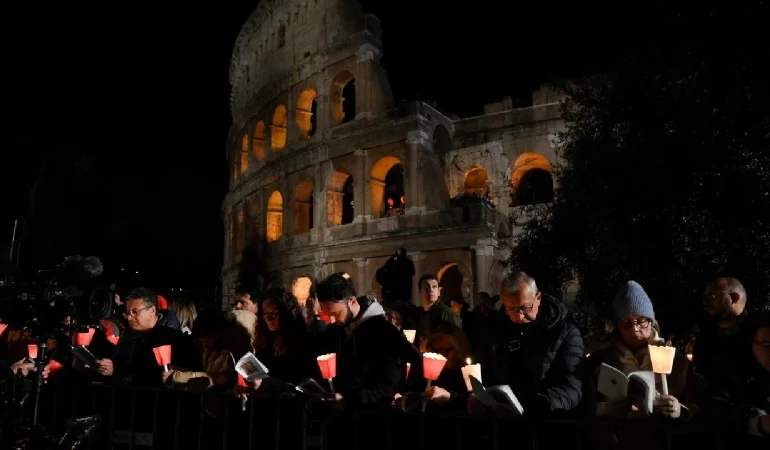

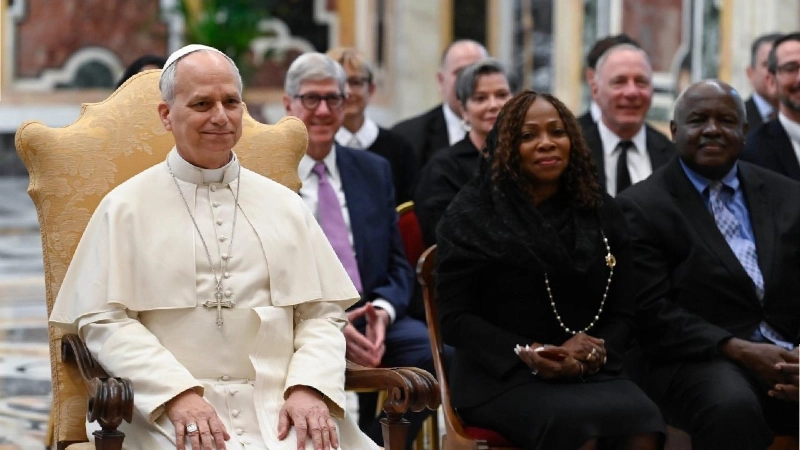
Pope Leo XIV is set to preside over the traditional Way of the Cross at Rome’s Colosseum on April 3, marking his first Good Friday celebration since assuming the papacy. In a significant symbolic gesture, he will personally carry the Cross throughout all fourteen stations of the Via Crucis, commemorating the final journey of Jesus Christ to Golgotha. The event, one of the most solemn observances in the Christian calendar, is expected to draw global attention as the new pope leads the liturgy during a time marked by continuing global conflict and humanitarian concern.
For source context, this report should be read alongside Catholic News Agency and the official Vatican website. Those references help separate official or institutional signals from editorial analysis, especially where faith, diplomacy, public policy, or humanitarian concern overlap. VaticanThreads readers can also place it beside Vietnam youth congress calls young Catholics to embrace mission and deepen faith, which follows a related thread inside the same coverage area.
Pope Leo XIV to Carry Cross at Colosseum: the life of faith
The Vatican confirmed that this year’s meditations have been prepared by Franciscan Father Francesco Patton, a respected religious figure who served as Custos of the Holy Land from 2016 to 2025. His reflections are expected to focus on themes of suffering, faith and endurance, shaped by his long experience in the Middle East. The texts are scheduled to be released publicly on the morning of the ceremony. Observers anticipate that the meditations will reflect the current global climate, particularly the continuing tensions and instability affecting the region.
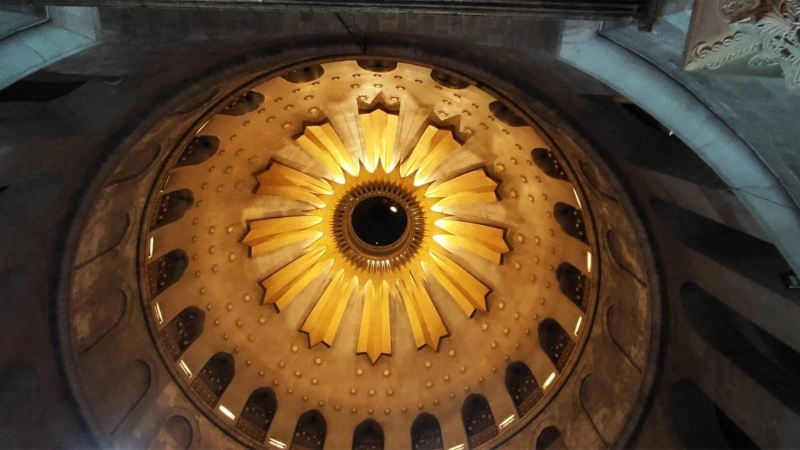
Father Patton has built a reputation for addressing the human cost of conflict, often writing from locations deeply connected to biblical history such as Mount Nebo in Jordan. His work has consistently pointed to the struggles faced by communities living amid violence and uncertainty. By selecting him to compose this year’s reflections, the Vatican appears to be aligning the spiritual message of the Via Crucis with contemporary realities, reinforcing the connection between Christ’s suffering and the hardships experienced by people today in conflict zones.
Why this moment speaks beyond one event
The decision by Pope Leo XIV to carry the Cross himself throughout the entire liturgy carries strong symbolic meaning within the Catholic tradition. It reflects a personal commitment to embodying the message of sacrifice, humility and solidarity with those who suffer. The Via Crucis at the Colosseum has long served as a powerful expression of faith, drawing thousands of participants in person and millions of viewers worldwide. This year’s ceremony is expected to hold additional significance as it represents a defining early moment of Pope Leo’s leadership.
In recent years, the Good Friday celebration has also reflected the health and circumstances of the pontiff. In 2025, the ceremony was presided over by Cardinal Baldassarre Reina at the request of Pope Francis, following his recovery from a prolonged hospital stay. The meditations that year were written by Pope Francis himself, continuing a tradition of papal involvement in shaping the spiritual narrative of the event. The return to direct papal leadership in 2026 signals a renewed emphasis on visible pastoral presence during one of the Church’s most important liturgical moments.
The spiritual context
As preparations continue, attention is focused on how this year’s Via Crucis will resonate with a world facing multiple crises. The combination of Pope Leo XIV’s personal participation and Father Patton’s reflections is expected to deliver a message that bridges faith and contemporary challenges. The ceremony stands as both a religious observance and a global moment of reflection, highlighting themes of suffering, redemption and hope at a time when many are seeking meaning and peace.
How the message reaches ordinary believers
The broader invitation is not only to notice the event, but to ask how its message can shape prayer, conscience, and daily Christian witness.
The lasting question is how this moment helps believers connect worship, memory, and responsibility in ordinary life, where the Church’s public message becomes concrete.