
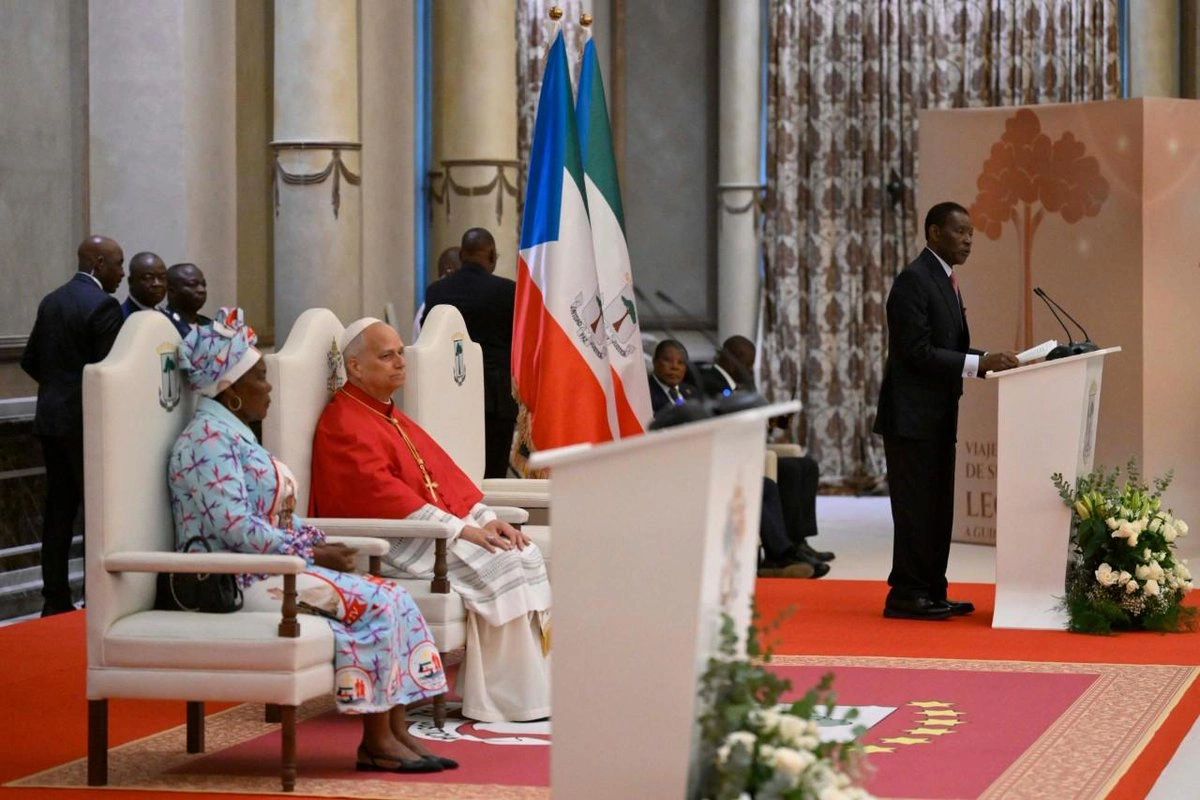


Pope Leo XIV’s Apostolic Journey across Africa is being viewed as a defining moment in the early direction of his pontificate, highlighting a leadership style rooted in missionary identity and pastoral presence. While early media attention focused heavily on geopolitical reactions and external commentary, the Pope’s own words and actions throughout the visit have placed emphasis on spiritual mission, cultural encounter, and dialogue with local communities. His decision to prioritize Africa early in his pontificate has been interpreted as a clear sign of the direction he intends to take in shaping the global mission of the Church.
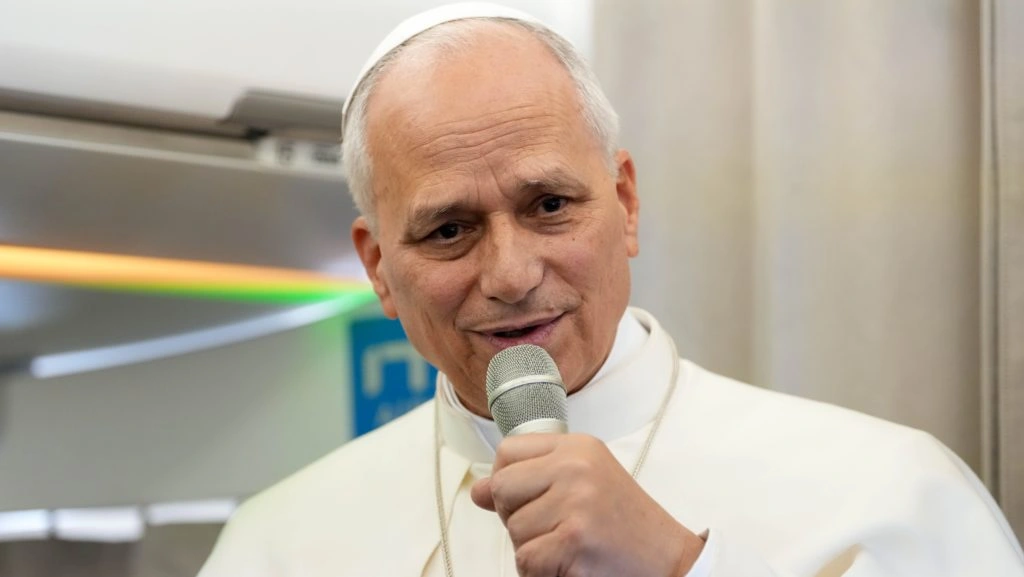
During the journey, Pope Leo revealed that his desire to visit Africa was expressed soon after his election, even though logistical challenges delayed the original plan. He explained that the continent was intended to be the first destination of his papacy, reflecting his deep missionary background shaped by years of service in Peru as both a priest and bishop. Observers note that this personal history continues to influence his approach, particularly his focus on closeness to people, simplicity in engagement, and attention to communities often facing social and economic challenges.
Across his visits in Cameroon and Angola, the Pope has consistently emphasized themes of peace, reconciliation, and human dignity. In Bamenda, he encouraged efforts toward coexistence in regions affected by conflict, while in Yaounde he addressed academic and civic leaders on the importance of forming consciences that are free and socially responsible. His participation in liturgies marked by traditional African expressions, including music and dance, has reinforced his message of cultural respect and shared faith experience. Central to his message has been the call to embody the spirit of Evangelii gaudium in practical and transformative ways.
The Pope’s reflections have also drawn renewed attention to the role of missionary work within the modern Church, particularly through his emphasis on proclamation, service to the poor, and engagement with real human suffering. By referencing foundational teachings associated with Pope Francis, he has highlighted continuity in pastoral vision while also shaping his own emphasis on mission as encounter rather than institution alone. His messages consistently return to the idea that the Church must remain close to marginalized communities and actively participate in addressing social inequalities through compassion and action.
As the journey continues, analysts suggest that Pope Leo’s presence in Africa reflects more than diplomatic or ceremonial engagement, instead signaling a broader vision of a Church that moves outward toward the world. His interactions with local leaders, communities, and institutions are being seen as part of a developing framework for his papacy that prioritizes mission, dialogue, and human development. The visit underscores a pontificate increasingly defined by movement, presence, and a focus on global regions where faith and social challenges intersect in complex and evolving ways.