



Good Shepherd Sisters Warn Civilians Paying Highest Price as Middle East Violence Escalates
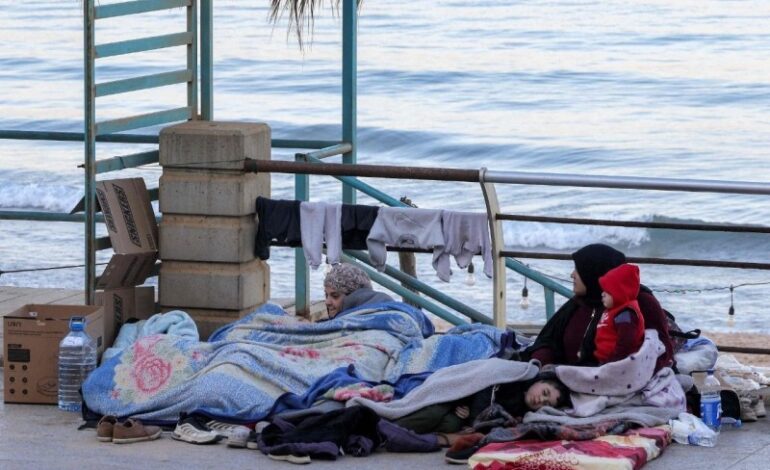

Catholic religious leaders have raised urgent concerns about the worsening humanitarian crisis across the Middle East as violence intensifies in several parts of the region. The Congregation of Our Lady of Charity of the Good Shepherd warned that ordinary civilians are suffering the most severe consequences of the ongoing conflict, particularly in Lebanon where displacement has surged rapidly in recent days. According to the congregation, more than five hundred thousand people have been forced to flee their homes within just over a week. Many families have arrived at emergency shelters with no belongings, facing immediate shortages of food, medical care, and safe housing.
The sisters described the situation as deeply alarming as military tensions continue to rise in Iran and surrounding areas. They said that civilians remain trapped in the middle of escalating hostilities, with women, girls, and children experiencing the most severe hardships. Communities that had already endured years of instability are now confronting another wave of uncertainty and displacement. Humanitarian groups working in Lebanon report that many families escaping the violence arrive exhausted and frightened after long journeys to reach temporary shelters. For some residents the renewed instability has reopened painful memories of previous conflicts that left lasting emotional and social scars.
The Good Shepherd congregation explained that their members and partners on the ground are responding to the growing humanitarian needs of displaced communities. Religious sisters and aid workers have been assisting families seeking refuge by providing basic support including food distribution, emergency medical supplies, and safe accommodation where possible. Their local mission in Lebanon has also focused on delivering psychological assistance to individuals struggling with trauma caused by repeated cycles of violence. The sisters said that many of those arriving at shelters are experiencing intense anxiety and emotional distress after losing homes, livelihoods, and a sense of security within their communities.
Efforts are also being made to protect the safety of religious staff and volunteers working in affected areas. The congregation confirmed that precautions are being taken to relocate sisters and humanitarian personnel from zones where the risk of violence is increasing. At the same time Catholic missions and medical facilities connected to the congregation continue to provide assistance to civilians seeking help. One of the key centers involved in relief work is a dispensary that offers medical care and community support services. Through these initiatives the sisters hope to maintain a lifeline for vulnerable families while the broader situation in the region remains uncertain.
Beyond humanitarian assistance the congregation has also appealed to the international community to act quickly in preventing further escalation of the conflict. Religious leaders within the order urged global political authorities to pursue diplomatic solutions that prioritize the protection of civilian populations. They called for the creation of ceasefire safe zones where displaced families can find protection from ongoing violence. The sisters emphasized that long term stability in the region will require leaders to choose dialogue and negotiation rather than retaliation, warning that continued military escalation could deepen an already fragile humanitarian crisis.
The Good Shepherd community also encouraged people around the world to remain attentive to the suffering unfolding in the Middle East. Members of the congregation invited their global network of religious communities and supporters to unite in prayer for those affected by the conflict. They expressed hope that spiritual solidarity and international awareness can encourage stronger humanitarian responses and renewed efforts toward peace. For many communities living in the region the immediate concern remains survival as thousands continue to seek safety, food, and medical care while uncertainty about the future grows.