




Carmen Hernández’s Vision for Mission
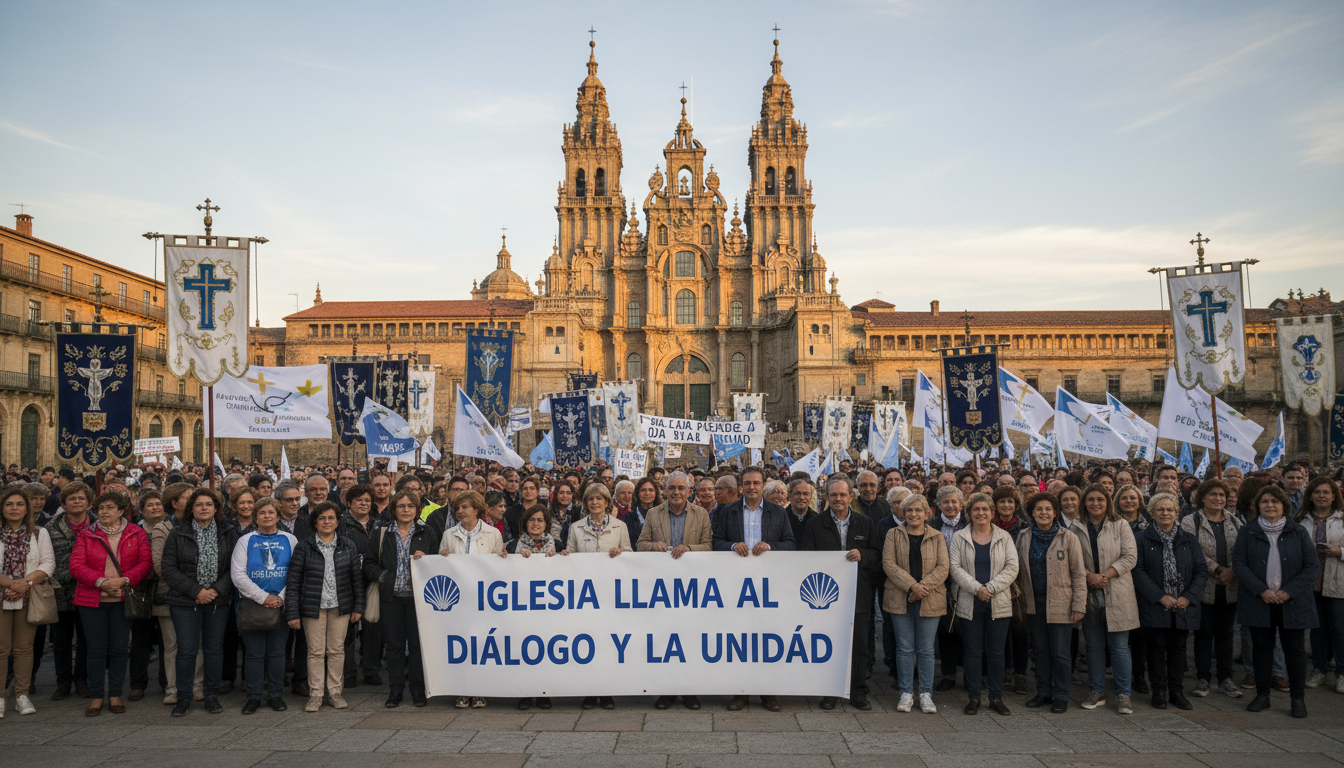
Editors tracking Church affairs Today are focusing on how a newly circulated portrait of Carmen Hernández frames evangelization as a concrete, parish level responsibility. The discussion is anchored in a Vatican News feature and in the way catechists describe her insistence on going where faith is thin, without trading clarity for popularity. In that coverage, the Carmen Hernández mission is presented as a disciplined readiness to be sent, tied to Scripture, liturgy, and daily obedience. Live conversations among pastoral leaders emphasize that her approach resists celebrity culture and prefers small communities that can sustain conversion over time. The current attention also reflects how dioceses evaluate missionary initiatives for consistency, formation, and accountability.
The Role of Virginity in Her Philosophy
Current debate Update inside several catechetical networks is concentrating on how Hernández linked consecration to freedom for service, rather than to status or private achievement. The framing comes directly from the Vatican News Undivided Heart feature, which presents virginity as a sign that mission can be lived with an undivided availability. Analysts note that the same text treats virginity as a public witness shaped by prayer, community, and a sober view of modern loneliness. Live briefings from formation teams stress that this language is being read in seminar settings and in lay itinerant training as leaders refine guidelines for accompaniment. Today the emphasis remains pastoral, insisting that vocation talk must avoid pressure, while still naming sacrifice as real.
Influence on the Neocatechumenal Way
On the ground, an Update from several diocesan offices is that scrutiny of missionary praxis often turns to how the Neocatechumenal Way trains families and itinerant teams for long assignments. In that context, the Carmen Hernández mission is discussed as a template for perseverance, especially where communities face fatigue, leadership turnover, or tension with local schedules. One recent example of broader institutional attention to communication and formation can be seen in WhatsApp rolls out incognito chat privacy for AI, which some church communicators cite when reviewing privacy standards for internal messaging. A parallel thread involves transparency, with bishops asking how formation processes document decisions and safeguard conscience. Live coordination meetings also revisit how catechesis connects to parish life, not as a parallel structure but as a support that strengthens sacramental practice.
Cultural Relevance Today
Today, cultural editors are mapping how Hernández is being received in societies shaped by mobility, distrust of institutions, and competing definitions of freedom. Live conversations among theologians stress that her vocabulary about offering oneself for others can sound countercultural, yet it intersects with current research on attention, identity, and community resilience. A related institutional lens appears in Pope Leo XIV calls books a path to peace today, which is being referenced in Catholic education circles as they curate reading lists for formation and mission. Update briefings from pastoral institutes in Rome describe a renewed effort to teach vocation language with psychological realism, so that ideals are presented alongside practical support, supervision, and clear boundaries. The cultural test remains whether missionary proposals can show credible service to neighbors, not only internal coherence.
Legacy and Continuing Impact
As Church publishing schedules shift, editors say the immediate legacy question is how Hernández’s thought will be transmitted without reducing it to slogans. The Carmen Hernández mission is increasingly assessed by measurable outcomes such as long term community stability, catechist preparedness, and a consistent sacramental rhythm, rather than by short bursts of activity. Today, several training hubs are issuing Update notes to harmonize curricula across languages, so that missionary teams share common theological foundations while adapting to local law and pastoral custom. Live coverage of ecclesial movements also tracks how new leaders present her writings in a way that respects both personal witness and ecclesial oversight. The continuing impact, as described by formators, will depend on whether her emphasis on availability produces mature Christians who can sustain ordinary parish life under pressure.