

Vatican’s Historical Role in Global Diplomacy
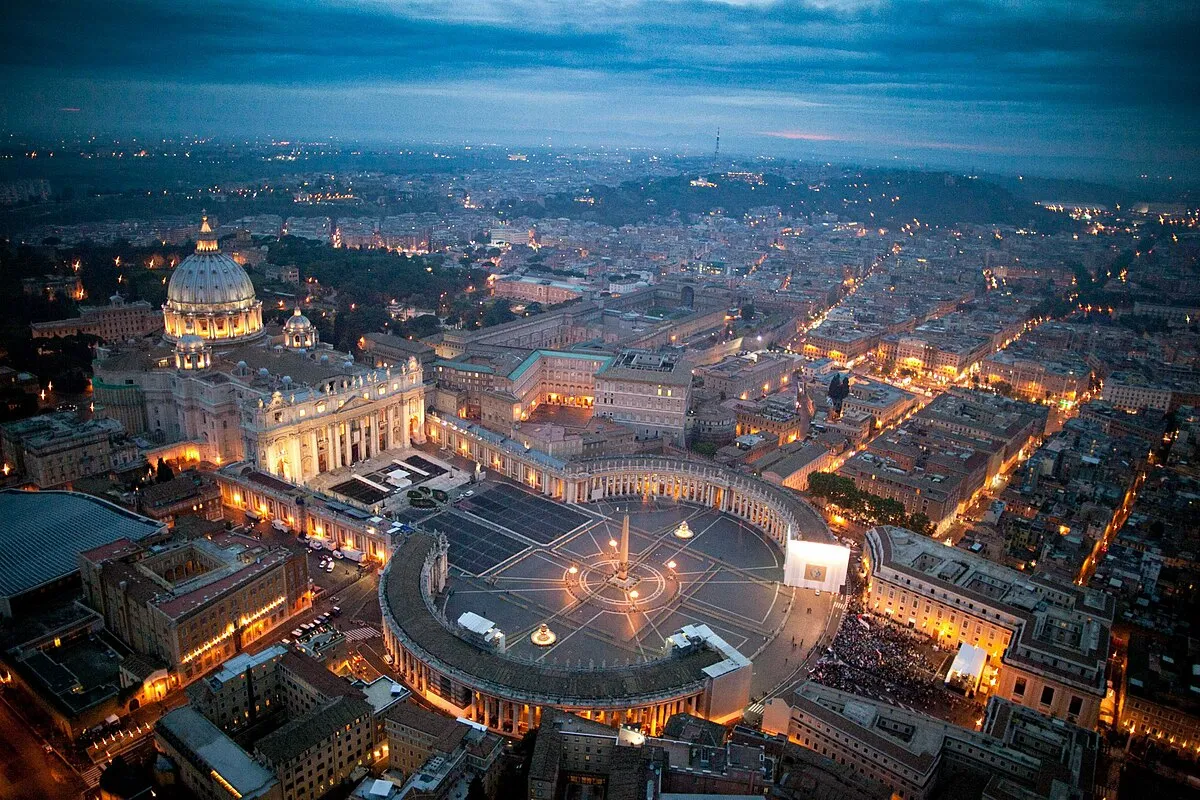
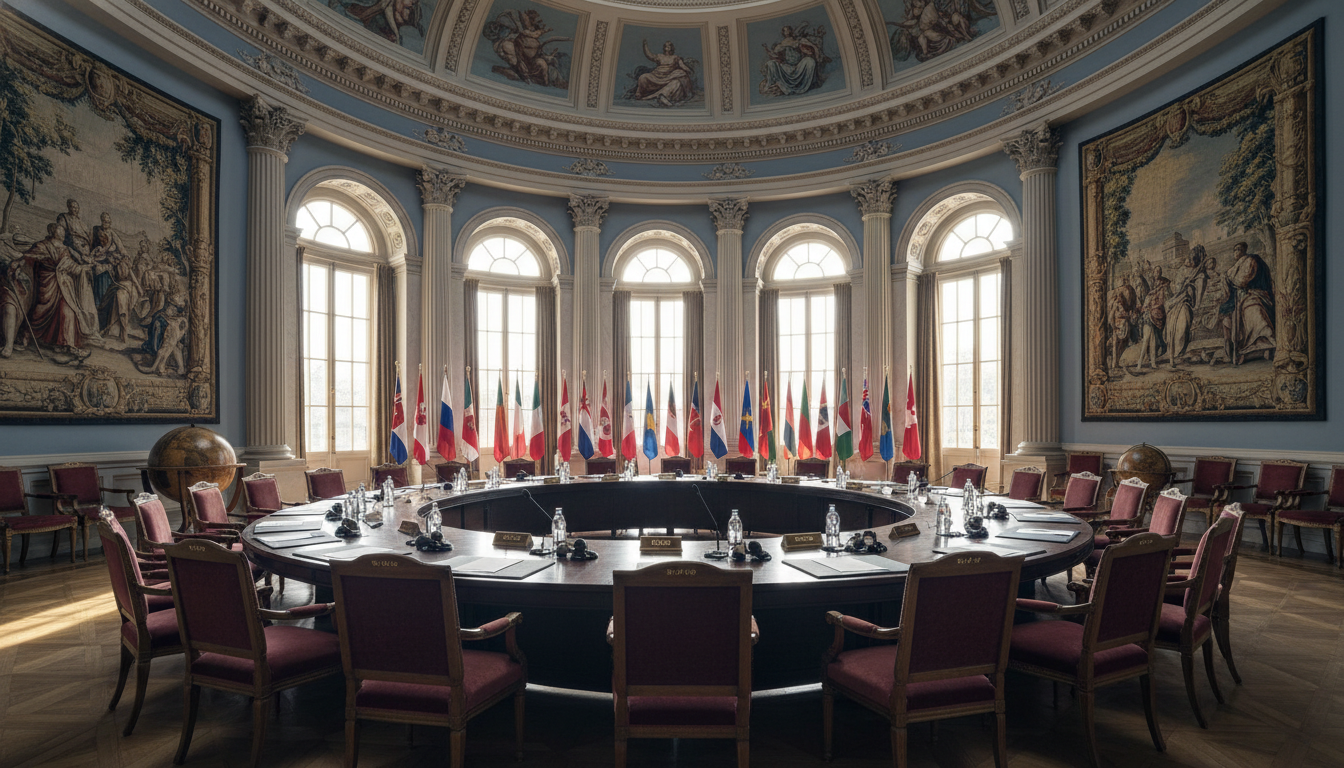
In Cape Verde, the Holy See’s foreign minister Archbishop Paul Richard Gallagher framed the day’s remarks as a working briefing on how the Church engages states. Today, officials around his visit treated the address as a Live signal that the Secretariat of State wants practical channels open even when politics hardens, and he said Vatican diplomacy has, for centuries, pursued peace through dialogue and patient mediation, stressing continuity rather than novelty. Gallagher pointed to the diplomatic network’s habit of keeping contact with all sides as a tool for de escalation, a principle Vatican News has repeatedly described in its coverage of papal peace initiatives. He told listeners the record matters only if it shapes current choices.
Key Highlights from Archbishop Gallagher’s Speech
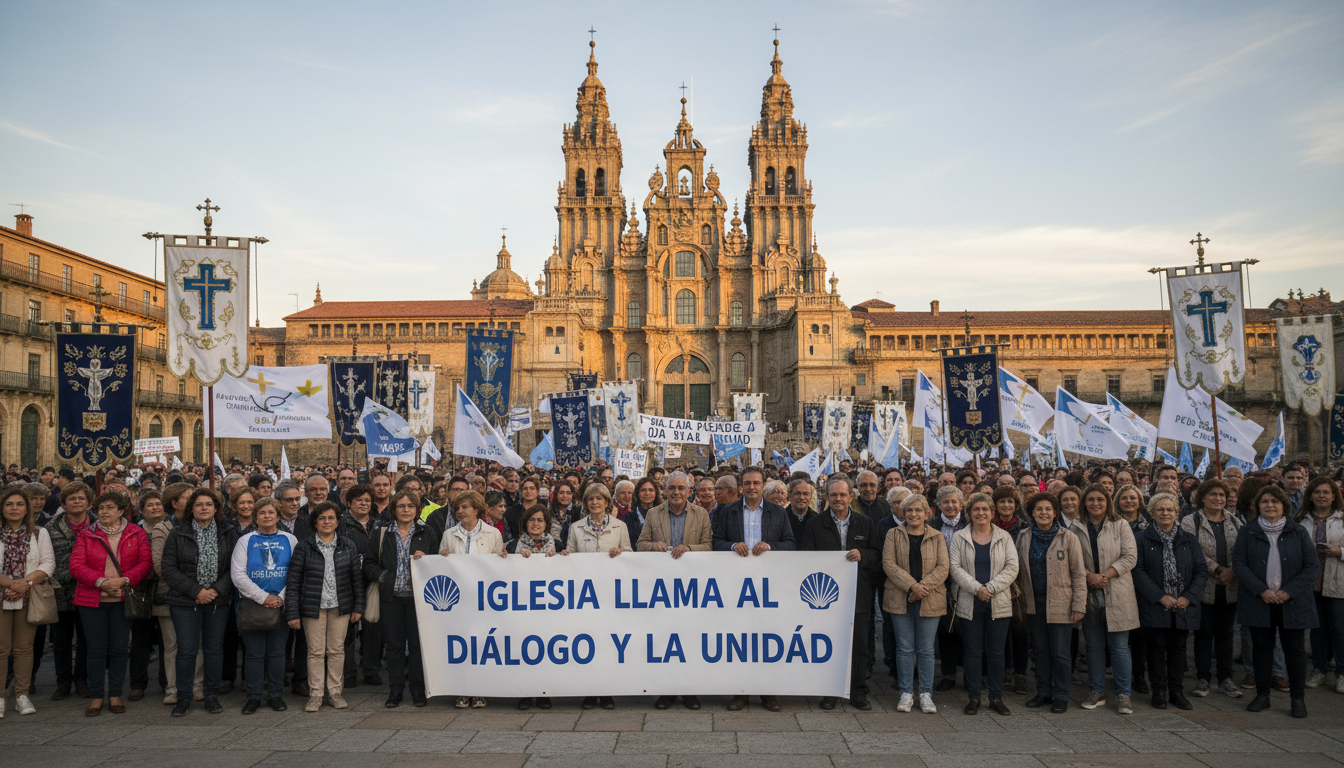
Gallagher’s central point was that peace work depends on credibility built over time, not public spectacle, and he tied that directly to the Holy See’s training of nuncios and diplomats. In one section, he described Vatican diplomacy as a service that listens before it proposes, insisting that listening is a disciplined method, not a slogan, and a Live readout from Vatican News on the Holy See’s diplomatic posture in war zones underscored similar themes in an interview with a nuncio, published as Nuncio to Ukraine on heavy attacks and peace prospects. The speech also included an Update on interreligious cooperation, urging political leaders to protect conscience rights while resisting polarization. He presented diplomacy as patient work that reduces misunderstandings before they become crises.
Significance of Diplomatic Relations with Cape Verde
Diplomatic engagement in Praia was presented as more than ceremonial, because it touches migration, maritime routes, and regional stability in the Atlantic corridor. Gallagher said the Holy See values consistent relations with smaller states that often act as quiet conveners, and he praised Cape Verde’s tradition of dialogue in public life. A separate Live strand of international coverage has tracked how diplomacy intersects with security and displacement, including Trump Beijing trip revives high stakes US China talks, which was cited by diplomats in Praia as a reminder that global shocks reach island nations quickly. An Update from local Church contacts emphasized practical cooperation on education and social services.
Vatican Diplomacy in Contemporary Issues
Gallagher linked the Cape Verde stop to present day files that the Secretariat of State handles continuously, including conflict mediation, prisoner concerns, and humanitarian corridors. Today, Vatican observers also watched how he tied diplomatic culture to emerging debates on technology and communication, arguing that new tools should not erode human dignity, and in a related strand, Urbaniana hosts Vatican AI conference on voices has detailed how Vatican institutions are building ethical frameworks that diplomats can reference in negotiations. He said the Holy See tries to keep moral clarity while speaking in terms governments can act on, a balance that often requires discretion. He closed this section with an Update on the priority of protecting civilians in any peace process.
Future Prospects for Vatican’s Diplomatic Engagement
The forward looking message in Praia was that the Holy See will expand presence where it can prevent isolation, even when it cannot produce immediate agreements. Today, aides traveling with him signaled that future visits will emphasize listening sessions with civil society and faith leaders, alongside formal meetings, and Gallagher said expectations should be realistic, because diplomacy is often about narrowing harm rather than announcing breakthroughs. He also indicated that the Holy See wants diplomats trained to interpret regional cultures, not only legal texts, so that mediation proposals land credibly. An Update from Vatican communication officials stressed that transparency will be increased where possible, while confidential channels remain necessary to secure humanitarian outcomes.