
Pope Leo XIV Calls for Dialogue as US Cardinals Criticize War in Iran


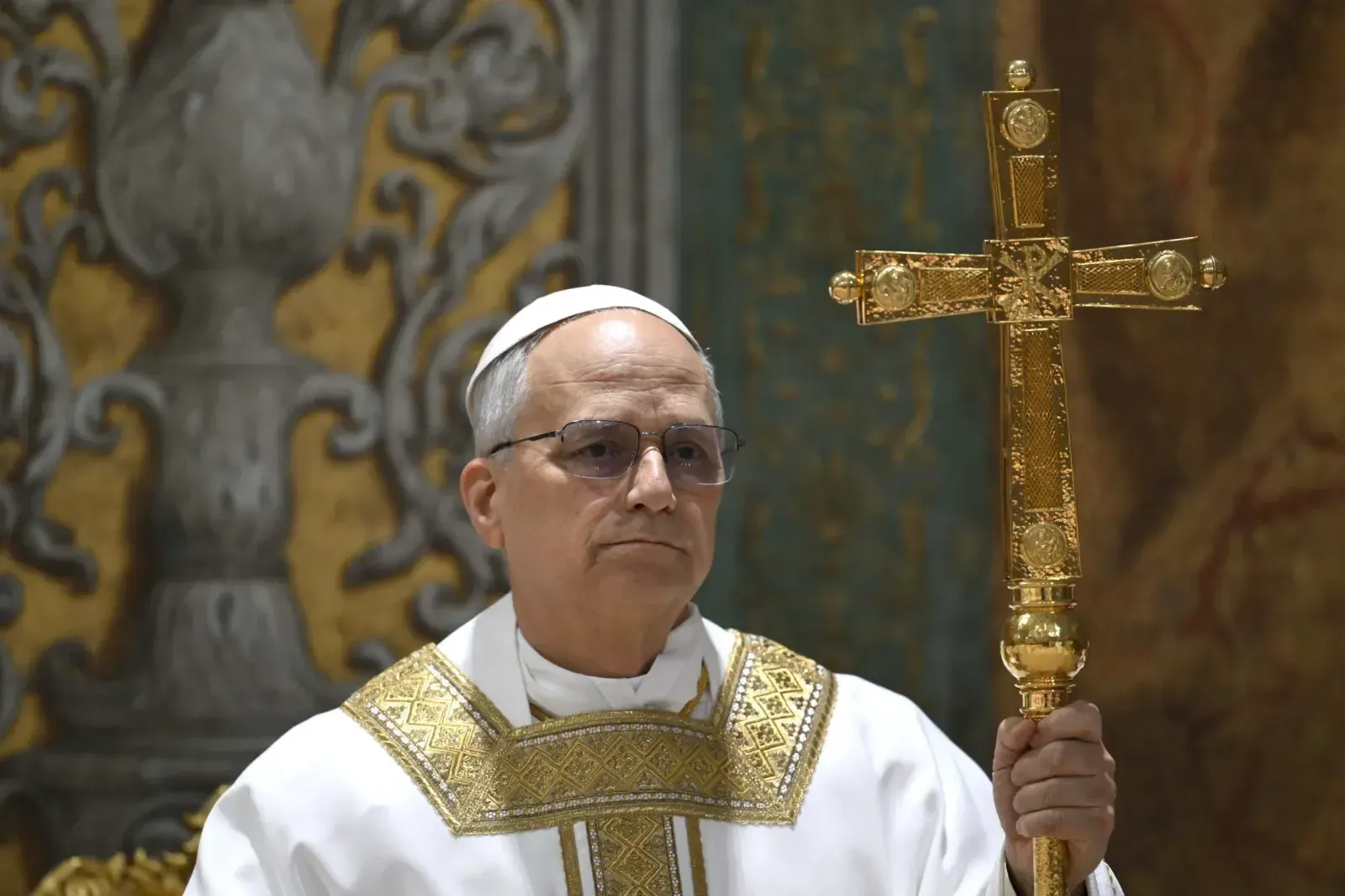
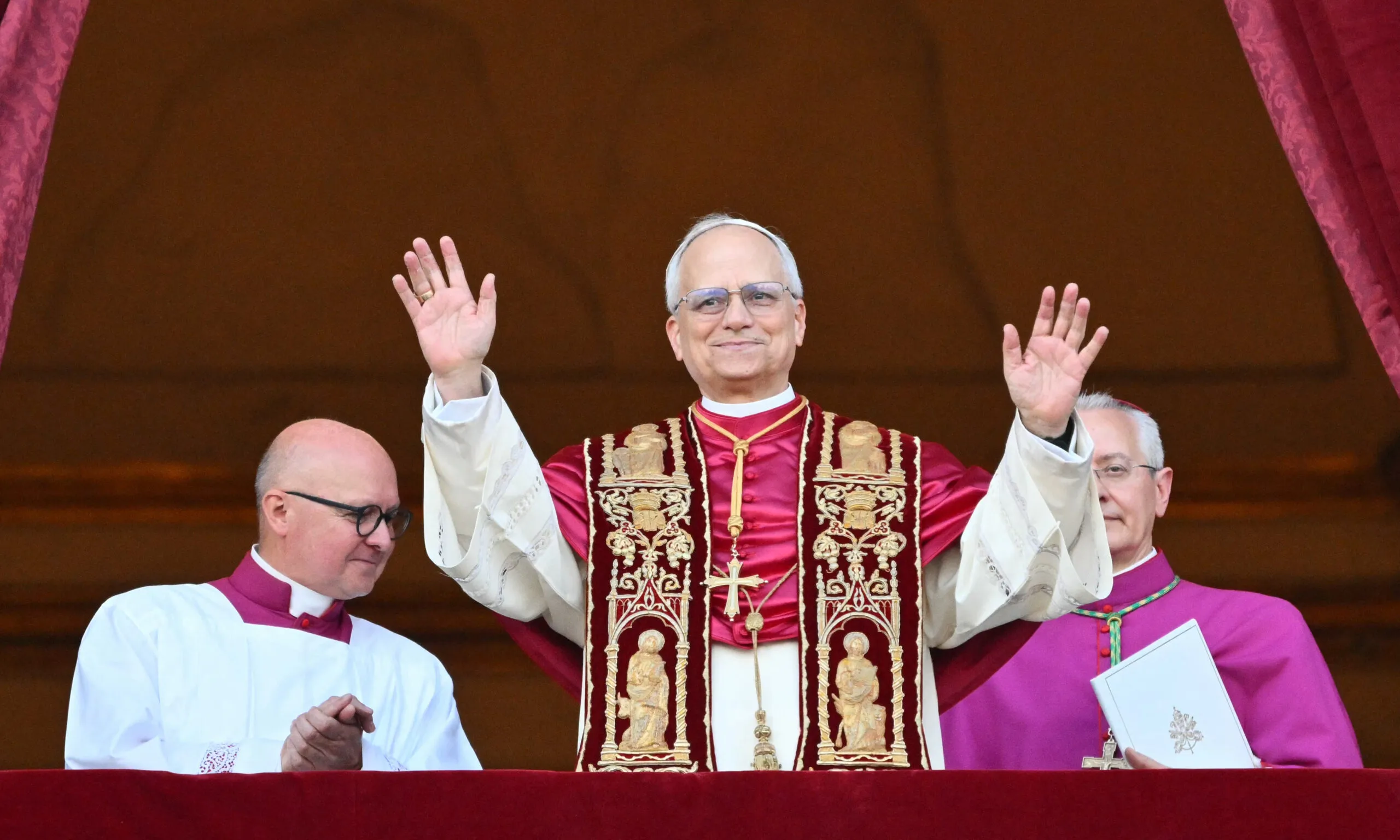
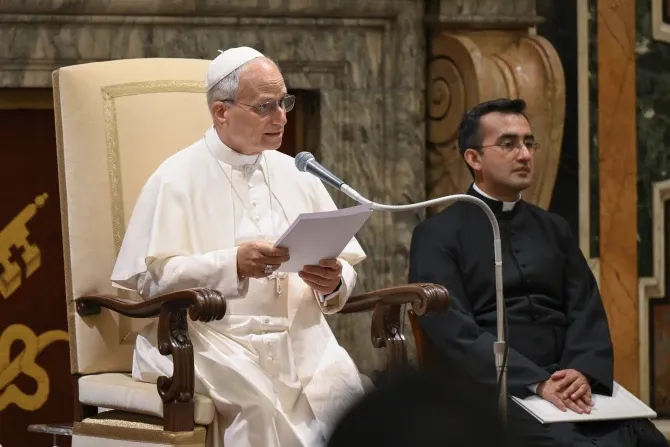
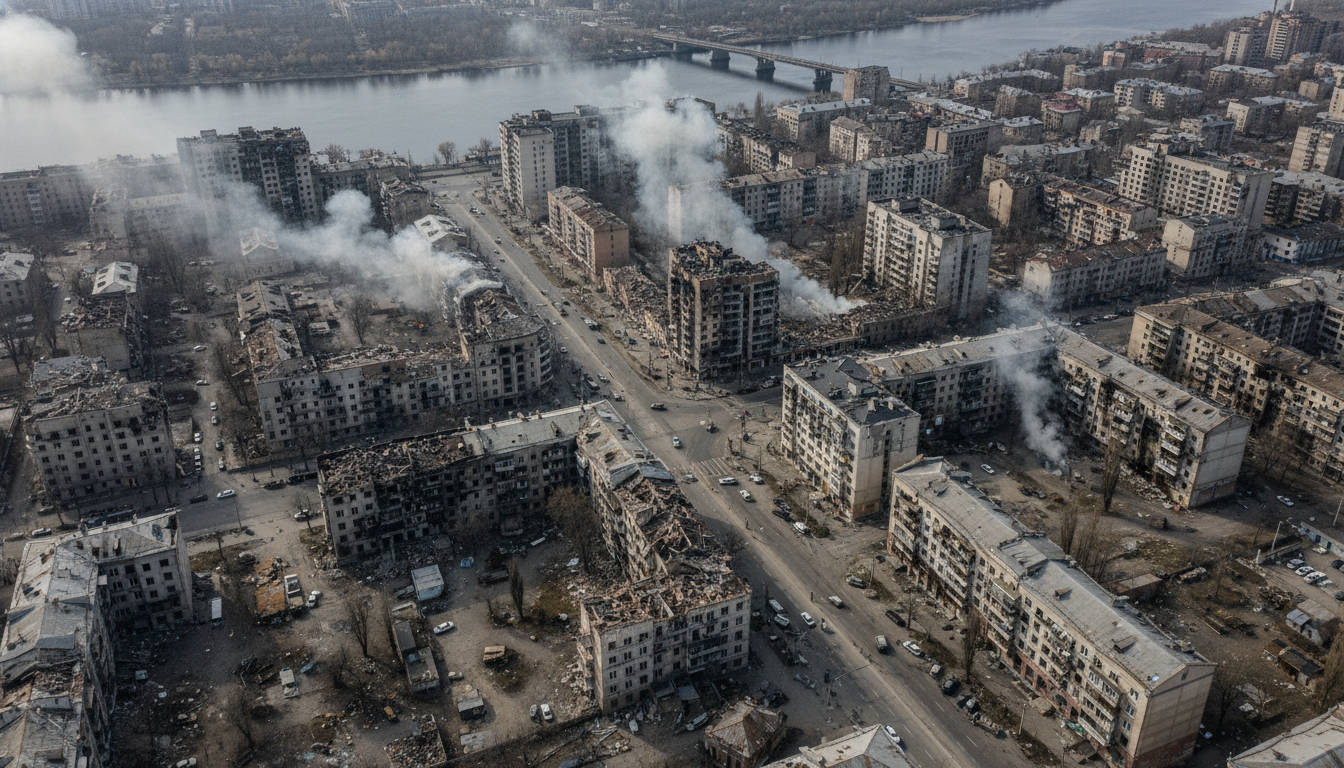
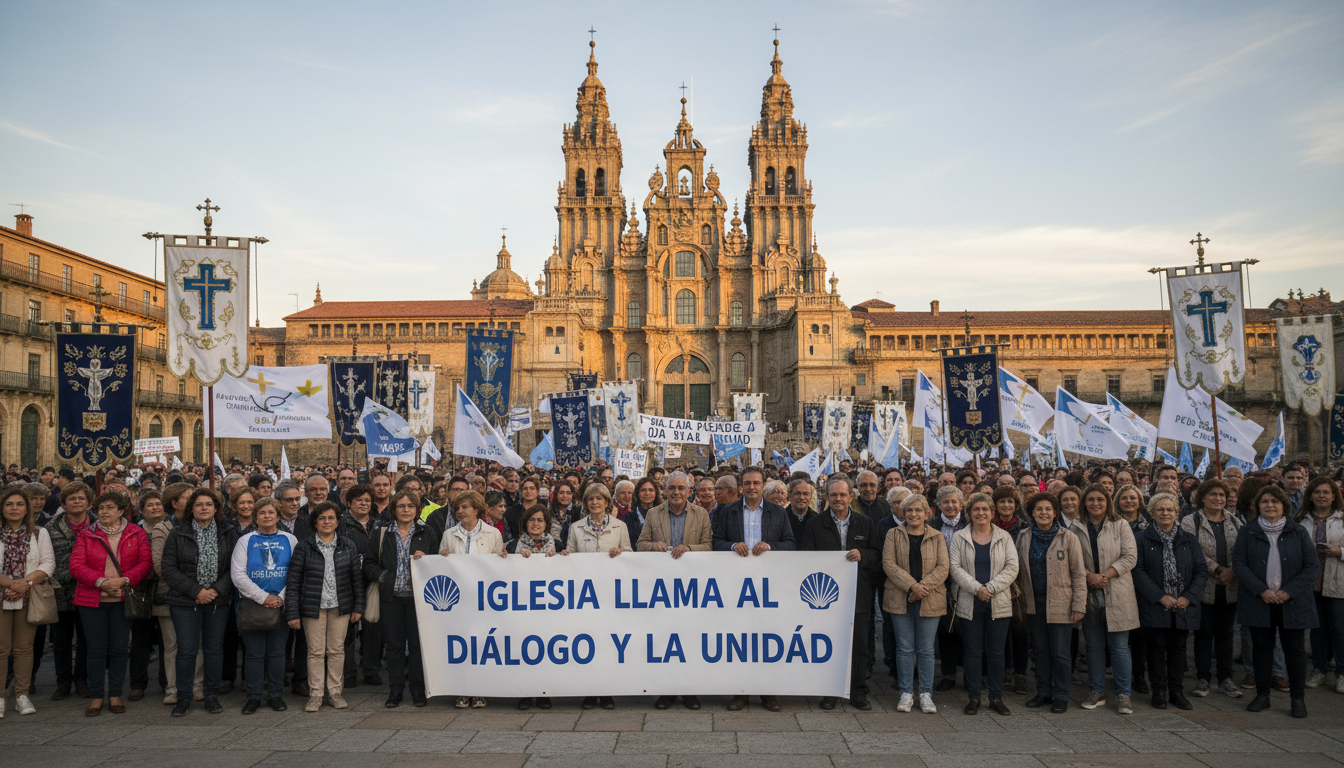
Pope Leo XIV has renewed his call for dialogue and diplomacy as violence linked to the conflict involving the United States, Israel, and Iran continues to escalate across the Middle East. The Vatican said the pontiff is following developments with concern and praying for a swift end to hostilities. His appeal came as reports confirmed the death of a Maronite Catholic priest in southern Lebanon during a bombing incident. The Pope expressed deep sorrow for the victims of the violence, particularly innocent civilians and children, while urging the international community to seek peaceful solutions rather than further escalation.
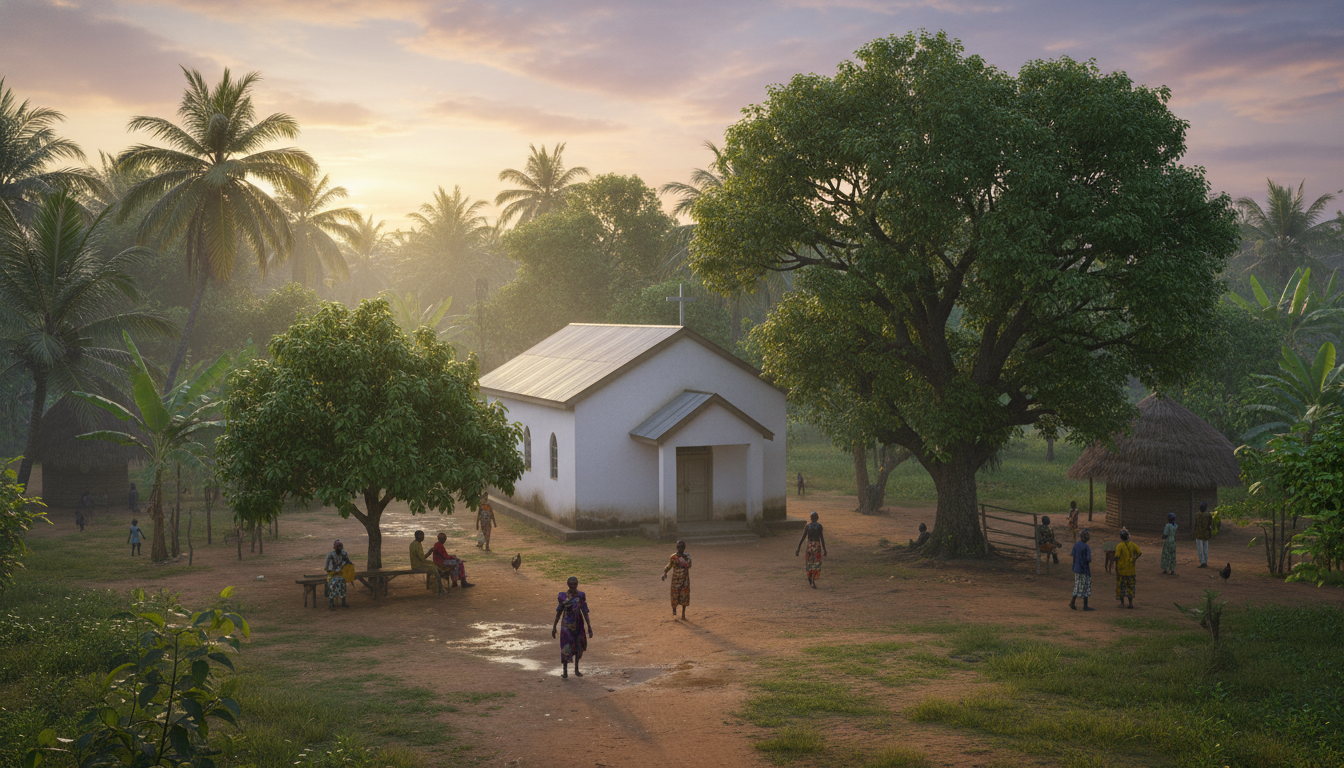
The Vatican statement highlighted the killing of Father Pierre El Rahi, a parish priest serving in the village of Qlayaa in southern Lebanon. According to church officials, the priest was fatally wounded while attempting to assist a parishioner injured during an earlier strike on a residential house. Witnesses reported that Father El Rahi rushed to help the wounded resident along with local volunteers when the area was struck again. He was transported to a nearby hospital but died shortly after arriving for treatment. Church leaders in the region described him as a dedicated pastor who remained with his parish community despite the increasing danger.
While Pope Leo XIV has maintained a cautious tone in public remarks about the conflict, several senior Catholic leaders have voiced stronger criticism of the war. Cardinal Robert McElroy, the archbishop of Washington, said the military campaign launched by the United States and Israel does not meet the moral criteria traditionally required for a just war. He warned that the conflict risks triggering broader instability throughout the region, potentially pushing Lebanon toward civil war and creating dangerous consequences for global security. The cardinal also raised concerns about the potential humanitarian cost of continued military operations.
Cardinal Blase Cupich of Chicago also strongly criticized the way the conflict has been portrayed in some political messaging and social media content. In a public statement he condemned what he described as the portrayal of warfare as entertainment through the use of dramatic video clips combined with real battle footage. According to the cardinal, such imagery risks trivializing the suffering of people caught in the conflict. He said treating war like a video game ignores the reality of death, displacement, and trauma experienced by civilians whose lives are directly affected by military actions.
Other church leaders outside the United States have expressed similar concerns about the growing distance between modern warfare and human responsibility. A senior Filipino cardinal warned that technological warfare can create the illusion that conflicts are controlled from distant command centers without fully recognizing the human consequences on the ground. He described how advanced military systems allow operators to launch strikes from remote locations while viewing targets on screens, a process that can make war appear abstract and detached from the lives of the people who suffer its consequences.
The Holy See traditionally maintains diplomatic neutrality in international conflicts, but Vatican officials have nonetheless raised questions about the justification for preventive military action. The Vatican secretary of state recently warned that recognizing a broad right for nations to launch preventive wars could destabilize the international order and increase the risk of global conflict. Church leaders have repeatedly emphasized that international law and diplomatic dialogue must guide decisions about war and peace.
The ongoing crisis has also created diplomatic challenges for the Vatican as it seeks to balance relations with political leaders while continuing to advocate for peace. A newly appointed Vatican ambassador to the United States will soon take up responsibilities that include navigating relations between the Holy See, American political authorities, and the US Catholic bishops. Analysts say the situation presents a complex moment for Vatican diplomacy as the Church continues urging dialogue and restraint while the conflict reshapes geopolitical tensions in the region.