Paris Exhibition Honors 19 Martyrs of Algeria and Their Witness During Civil War
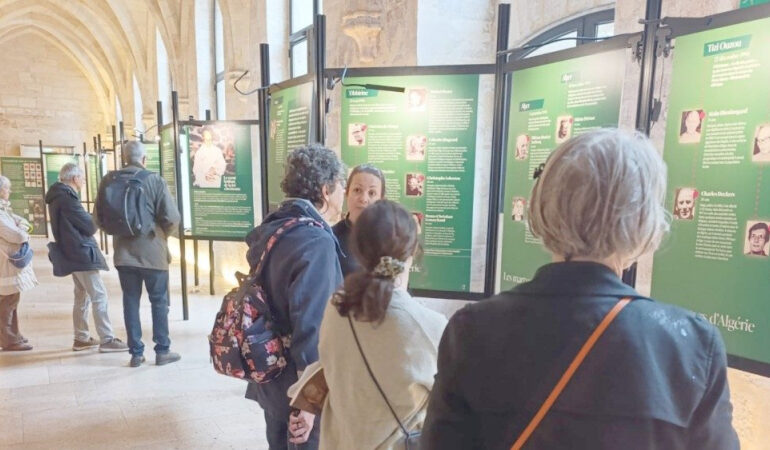

An exhibition in Paris is drawing renewed attention to the lives and witness of nineteen Catholic religious men and women who were killed during the Algerian civil war in the 1990s. Hosted at the historic Collège des Bernardins, the exhibition titled Called Twice. The Martyrs of Algeria presents the story of clergy and religious who chose to remain alongside the Algerian people during one of the most violent chapters in the country’s modern history. Through visual panels and documentary material, the exhibition highlights the courage and spiritual commitment of the martyrs while inviting visitors to reflect on faith, solidarity, and the role of religious communities in times of social upheaval.
The exhibition has been curated by the Vatican Publishing House in collaboration with the Oasis Foundation and is structured through twenty narrative panels accompanied by two video presentations. The display traces the lives, ministry, and final witness of the nineteen individuals who were killed between 1994 and 1996 during Algeria’s civil conflict, a period widely remembered as the Black Decade. During that time, violence claimed more than one hundred thousand lives and targeted religious leaders, intellectuals, journalists, and ordinary citizens who resisted extremist forces. The exhibition situates the martyrs within this wider context of national suffering while illustrating how they remained committed to supporting local communities despite the escalating danger.
A central focus of the exhibition recalls the kidnapping and killing of the seven Trappist monks from the Notre Dame de l’Atlas monastery in Tibhirine. The monks were abducted during the night of March 26 and 27 in 1996 and were later killed several weeks afterward. Their deaths became one of the most widely recognized tragedies of the Algerian conflict and brought global attention to the presence of small Christian communities living peacefully among the Muslim majority population. The exhibition marks the approaching thirtieth anniversary of their abduction and reflects on how their spiritual witness continues to resonate in discussions about interreligious coexistence and the cost of religious commitment.
Church leaders and Catholic figures gathered for the inauguration of the exhibition in Paris emphasized the importance of preserving the memory of the nineteen martyrs and their dedication to serving the Algerian people. Cardinal Jean Marc Aveline, Archbishop of Paris and president of the French Bishops Conference, described the exhibition as a powerful reminder that Christian faith is expressed through closeness to others, especially in times of hardship. He noted that the small Catholic community in Algeria has long lived in fragile circumstances yet has remained committed to dialogue and friendship with the wider society. According to him, the martyrs represent a profound example of faith lived through solidarity with the people among whom they served.
The opening event brought together several figures connected to the Church and cultural institutions involved in the project. Among those present were Archbishop Laurent Ulrich of Paris, representatives from the Vatican financial institution known as the Institute for the Works of Religion, and clergy who had direct ties to the Church in Algeria. Family members of several of the martyrs also attended the gathering and shared reflections on the lives of their relatives who were beatified in Oran on December 8, 2018 in recognition of their sacrifice and witness. Their testimonies offered a personal dimension to the exhibition and highlighted the enduring impact of the martyrs’ lives on both families and faith communities.
The exhibition also includes readings and historical material connected to Christian de Chergé, the prior of the Tibhirine monastery whose spiritual testament became widely known after his death. The document expresses forgiveness and reconciliation even in the face of violence and has become an influential text for many Catholics reflecting on martyrdom and peace. During the Paris opening, excerpts from the testament were read aloud to visitors, reinforcing the exhibition’s emphasis on spiritual legacy rather than tragedy alone. Writers and cultural figures have long pointed to the monks’ story as an example of how faith can inspire courage and compassion even in moments of deep uncertainty.
Called Twice first debuted during a major cultural gathering in Italy before traveling to several cities including Rome and Milan. Its arrival in Paris marks another step in an international journey designed to keep the memory of the martyrs alive within both Church communities and wider society. The exhibition is expected to travel further in the coming months with planned displays in Lourdes, Oxford, Genoa, and Turin, allowing broader audiences to encounter the history and spiritual message of the Algerian martyrs through photographs, testimonies, and historical documentation.
The Paris presentation is also connected to future commemorations linked to the liturgical feast day dedicated to the Martyrs of Algeria on May 8. Organizers have confirmed that the exhibition will return to the city during that period as part of renewed remembrance events. These commemorations come as the Catholic Church continues to highlight the role of witness, dialogue, and peaceful coexistence in regions where religious minorities often face uncertainty. Interest in the exhibition has grown among historians, theologians, and visitors who see the story of the Algerian martyrs as an enduring reflection on faith lived in solidarity with a wounded society.