
Cardinal Parolin Urges Investment in Youth to Prevent Extremism and Build a Future of Peace
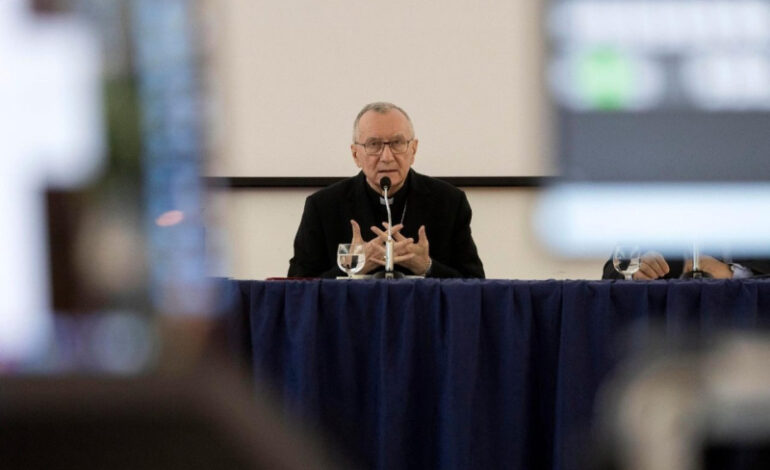

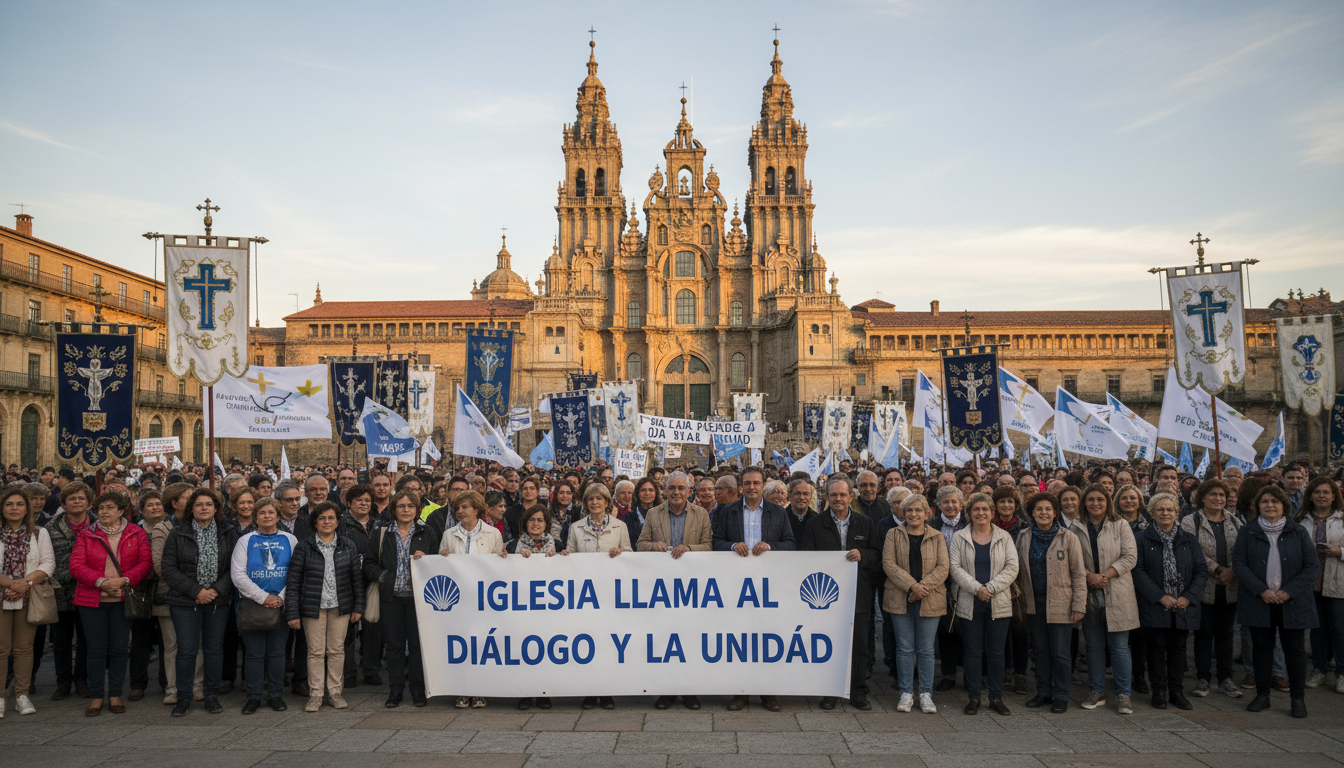
Cardinal Pietro Parolin has called for greater global attention to the challenges faced by young people, warning that without meaningful opportunities they risk becoming vulnerable to extremism, conflict, and social instability. Speaking during the Cathedra of Hospitality gathering in Sacrofano near Rome, the Vatican Secretary of State emphasized that the future of peace depends on investing in youth and ensuring they have real prospects for education, employment, and participation in society. The event, organized by church movements and academic institutions, focused on the theme of youth and belonging, exploring how the Church and wider society can respond to the difficulties confronting younger generations across the world.
During his remarks, Cardinal Parolin pointed to several global pressures shaping the lives of young people today. Armed conflicts in different regions continue to draw young men and women into violence, whether through military conscription or social instability. At the same time many young people face economic uncertainty, limited job opportunities, and the growing influence of digital environments that can encourage withdrawal from social engagement. According to the Cardinal, these factors create conditions where frustration and isolation can grow, leaving young people exposed to extremist ideologies or social movements that promise identity and belonging but ultimately exploit vulnerability.
Migration and demographic changes were also highlighted as significant challenges affecting youth around the world. Cardinal Parolin described the integration of young migrants as one of the unresolved issues facing many countries today. Without proper support, young migrants may struggle to find their place within new societies, often facing cultural barriers, economic hardship, and identity conflicts. At the same time declining birth rates in many parts of the world reflect growing uncertainty among young adults about the future. The Cardinal observed that fear of instability, war, and economic hardship can discourage young couples from starting families, creating long term consequences for societies already facing demographic decline.
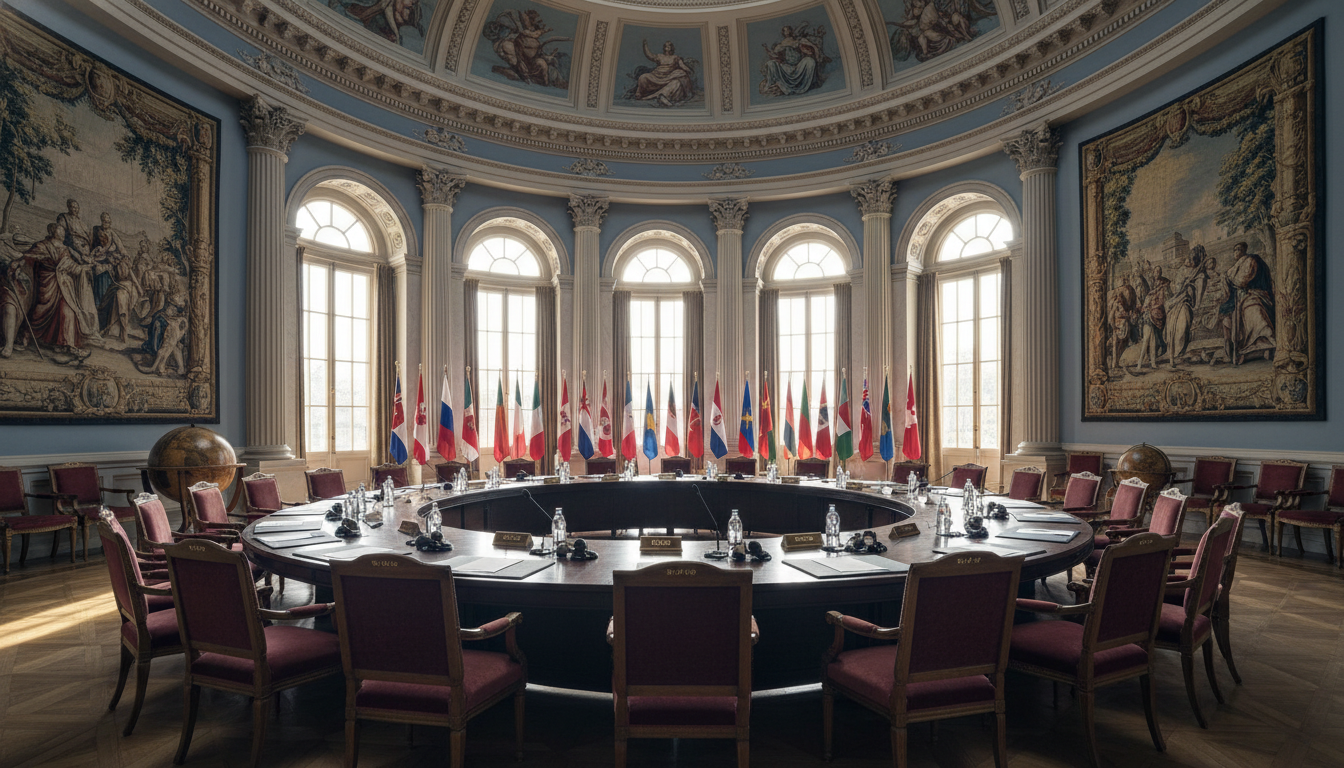
Reflecting on broader global trends, Cardinal Parolin noted that young people are often absent from decision making processes that directly affect their future. Negotiations and international discussions are frequently dominated by older generations, leaving limited space for youth participation. He argued that institutions should become more open to the contributions of younger voices, since their perspectives and creativity can help shape solutions to contemporary challenges. According to the Cardinal, renewing international institutions and encouraging youth participation could play a key role in building a more stable and cooperative global order.
The Vatican diplomat also warned about the psychological pressures faced by many young people who feel unprepared for the responsibilities placed upon them. Many struggle with a sense of inadequacy or fear of failure when confronted with expectations related to career, family life, and social success. In this context the Cardinal said that young people need authentic relationships and guidance from individuals who support them without judging their achievements. He emphasized that faith can offer a powerful message in this regard by presenting a vision of God who values each person beyond measurable results and encourages growth through trust and love.
Another concern raised during the discussion was the weakening transmission of values within modern society. Cardinal Parolin observed that institutions traditionally responsible for shaping young people such as families, schools, and religious communities often no longer work together with the same unity of purpose. As a result young people may struggle to find clear guidance while navigating complex cultural and technological environments. The widespread presence of digital media in daily life has further complicated this challenge by exposing young people to influences that parents and educators may find difficult to understand or address.
Cardinal Parolin concluded by emphasizing that the Church must respond through listening and accompaniment rather than simply offering advice. He encouraged Catholic communities to create spaces where young people feel welcomed, understood, and able to share their experiences openly. Educational institutions, parish communities, and international gatherings such as World Youth Day were highlighted as important opportunities for fostering dialogue and integration. By offering young people a supportive environment rooted in faith and solidarity, the Church hopes to help them discover their potential and contribute to building societies founded on peace and responsibility.