

Mexican Catholics Form Human Chains to Protect Churches During Women’s Day Protests


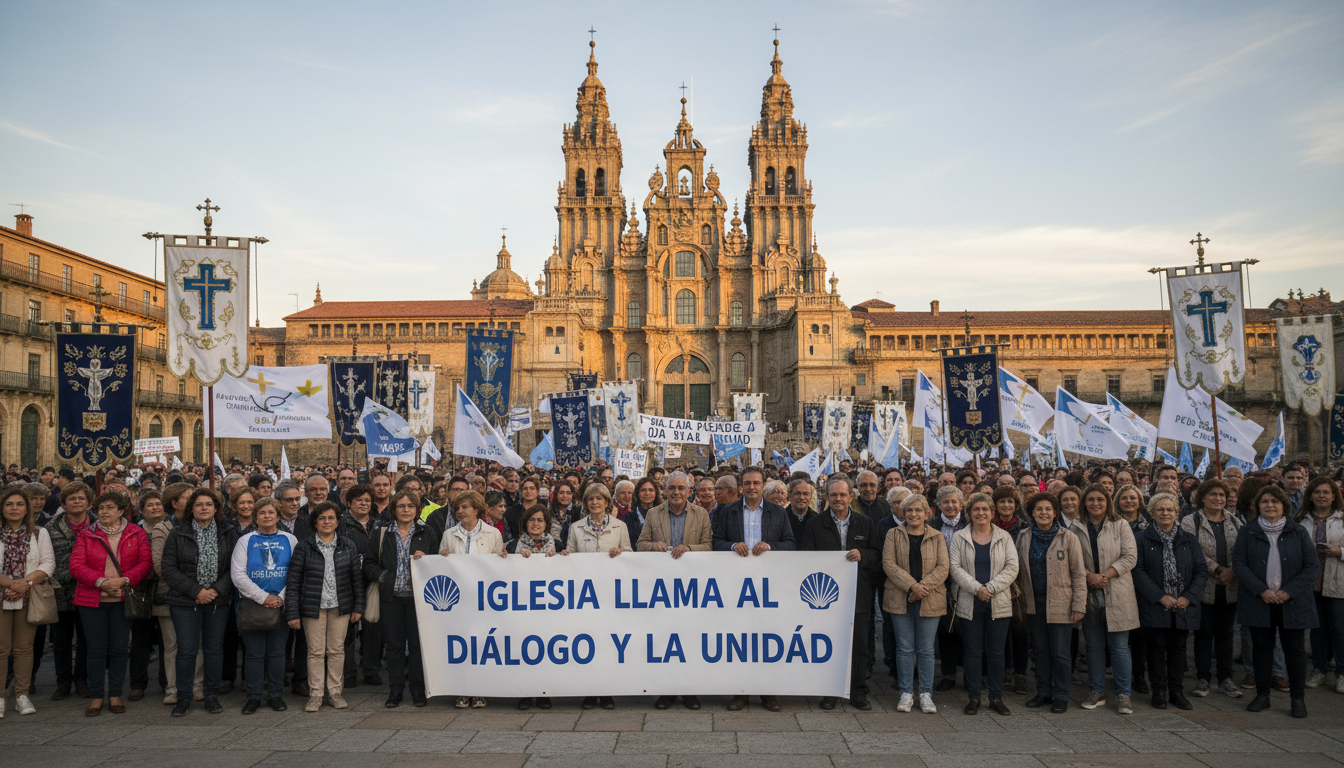
Catholic communities in Mexico have stepped forward to protect churches after several religious buildings were vandalized during nationwide demonstrations marking International Women’s Day. In several cities demonstrators gathered to protest gender violence, discrimination, and the killing of women, widely known in Mexico as femicide. While many marches remained peaceful, some protests resulted in damage to public property and historic churches. In the western city of Guadalajara groups of Catholic women formed a human chain outside a parish church to prevent protesters from approaching the building, illustrating the growing tension between social protest movements and religious communities seeking to safeguard sacred spaces.
Church leaders across Mexico expressed concern about the vandalism and called for dialogue rather than violence. In a public statement the Mexican bishops’ conference condemned the destruction of churches during the demonstrations, emphasizing that places of worship should remain spaces of prayer and comfort for people seeking spiritual support. Bishops acknowledged the serious concerns raised by women protesting across the country and recognized the suffering experienced by many victims of violence. At the same time they stressed that attacks on churches risk deepening divisions rather than encouraging constructive dialogue about justice, safety, and respect for human dignity.
One of the incidents that drew national attention occurred in the city of San Luis Potosí where demonstrators damaged the historic Sagrario Metropolitana parish church, commonly known as Templo de la Compañía. The building dates back to the seventeenth century and has been undergoing restoration work. Videos circulating on social media showed flames at the entrance of the church and graffiti sprayed across the exterior walls during the protests. The damage shocked many residents because the church is considered an important historical and cultural landmark in the city and serves as a gathering place for local Catholic communities.
Local church leaders responded by calling for calm and encouraging prayer and reflection following the vandalism. Archbishop Jorge Alberto Cavazos Arizpe of San Luis Potosí acknowledged that the destruction of religious sites was painful for believers but also noted that the grievances expressed by many women in the protests should not be ignored. He said the suffering experienced by women across the country remains a serious social concern and urged society to address these issues with honesty and compassion. Members of local church ministries reportedly attempted to protect the building during the demonstrations, although they acted independently without formal organization.
Across Mexico thousands of women marched on March 8 to demand stronger protections against gender violence and greater accountability for crimes against women and girls. Human rights organizations report that femicide remains a major national problem with several women killed every day in incidents related to gender based violence. Protesters have also drawn attention to issues such as workplace discrimination, harassment in public spaces, and the broader struggle for equality. Demonstrations took place in major cities including Mexico City, Guadalajara, and Monterrey, with large crowds filling public squares and main avenues.
Catholic leaders have acknowledged the legitimacy of many concerns raised by the protesters while encouraging peaceful engagement between activists, authorities, and religious communities. In their statement bishops said the voices of women calling for justice and security must be heard and addressed by government institutions responsible for ensuring public safety and administering justice. They emphasized that the Church stands in solidarity with victims of violence and supports efforts to create a society where women can live without fear. At the same time they urged demonstrators to avoid actions that harm places of worship or deepen social tensions.
The protests unfolded against the backdrop of wider challenges facing Mexico including ongoing violence linked to organized crime and social unrest that has affected communities for more than two decades. Religious leaders note that the Catholic Church itself has also experienced violence in recent years, with priests and church workers sometimes targeted by criminal groups. Just days after the demonstrations a priest in the southern state of Chiapas was found dead after being reported missing following a parish Mass, an incident that has added to concerns about security for clergy and religious institutions.