
Chaldean Bishop Pleads Not Guilty to Financial Charges as Pope Accepts His Resignation


A Chaldean Catholic bishop in California has pleaded not guilty to multiple financial crime charges as the Vatican confirmed that Pope Leo XIV accepted his resignation earlier this year. Bishop Emanuel Shaleta, who led the Chaldean Catholic Eparchy of St Peter the Apostle in San Diego, appeared in court for an arraignment hearing on March 9 where he faced sixteen felony counts related to alleged embezzlement and money laundering. The case has attracted attention among church members and legal observers because it involves accusations of financial misconduct within a Catholic diocese that serves Chaldean and Assyrian communities across the western United States.
According to prosecutors in San Diego County, the charges involve alleged financial losses exceeding two hundred thousand dollars connected to church funds. Authorities said Bishop Shaleta spent several nights in county jail before being released on bail set at one hundred twenty five thousand dollars. His release includes strict conditions that require GPS monitoring and prohibit him from accessing church bank accounts while the investigation continues. The bishop’s passport has also been seized as part of the court conditions. If convicted on all counts, prosecutors say he could face a prison sentence of up to fifteen years under California law.
The Vatican confirmed that Pope Leo XIV had accepted Bishop Shaleta’s resignation in February, although the announcement was made publicly after the legal proceedings became known. Cardinal Christophe Pierre, the apostolic nuncio to the United States, announced the decision and also confirmed that Bishop Saad Sirop Hanna had been appointed apostolic administrator of the San Diego based eparchy. Bishop Sirop previously served as apostolic visitor for Chaldean Catholics in Europe and is known for surviving a twenty eight day abduction by militants in Iraq in 2006. As administrator he will oversee the diocese while the legal case and church review process unfold.
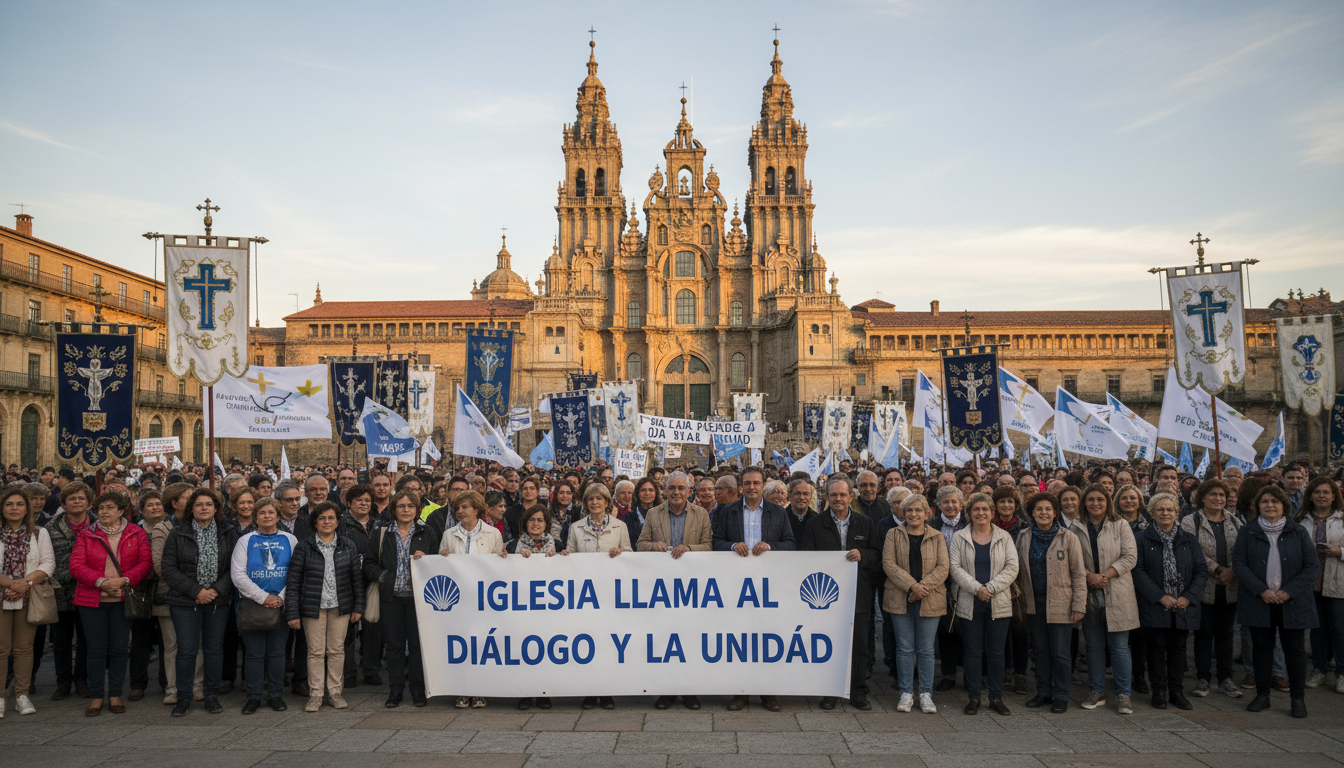
Church officials and clergy connected to the eparchy have responded by calling for prayer and unity within the community during what they described as a difficult moment. Priests from the Eparchy of St Peter the Apostle released a statement urging believers to remain faithful to the Church’s mission and to avoid rushing to judgment before legal proceedings are completed. Supporters of the bishop attended the court hearing in large numbers, with many expressing confidence in his innocence and encouraging patience while the justice system examines the allegations.
The criminal investigation began in August 2025 when a representative of the cathedral in El Cajon reportedly contacted authorities with documents suggesting potential financial irregularities. The case was later taken up by the county sheriff’s fraud unit after an initial review of the information provided. Officials say the criminal complaint outlining the detailed allegations remains sealed by the court and will be made public at a later stage in the proceedings. The bishop’s preliminary hearing has been scheduled for April 27 and is expected to last about a day and a half.
The Chaldean Catholic Patriarchate also issued a statement acknowledging that complaints had been filed regarding the handling of diocesan funds and other allegations connected to the bishop’s conduct. Church leaders said the accusations require careful review through appropriate legal and ecclesiastical procedures so that a fair judgment can be reached. The patriarchate emphasized that both civil and church authorities are cooperating in the investigation and that all perspectives are being considered before conclusions are drawn.
The Eparchy of St Peter the Apostle serves Chaldean and Assyrian Catholics across a large portion of the United States, covering numerous western states including California, Arizona, Texas, Washington and others. The Chaldean Catholic Church itself is one of the Eastern Catholic churches that remain in full communion with the Pope while maintaining their own liturgical traditions and governance structures. The unfolding legal case therefore carries significance not only for the local diocese but also for the wider Chaldean Catholic community that traces its roots to ancient Christian communities in Iraq and the broader Middle East.