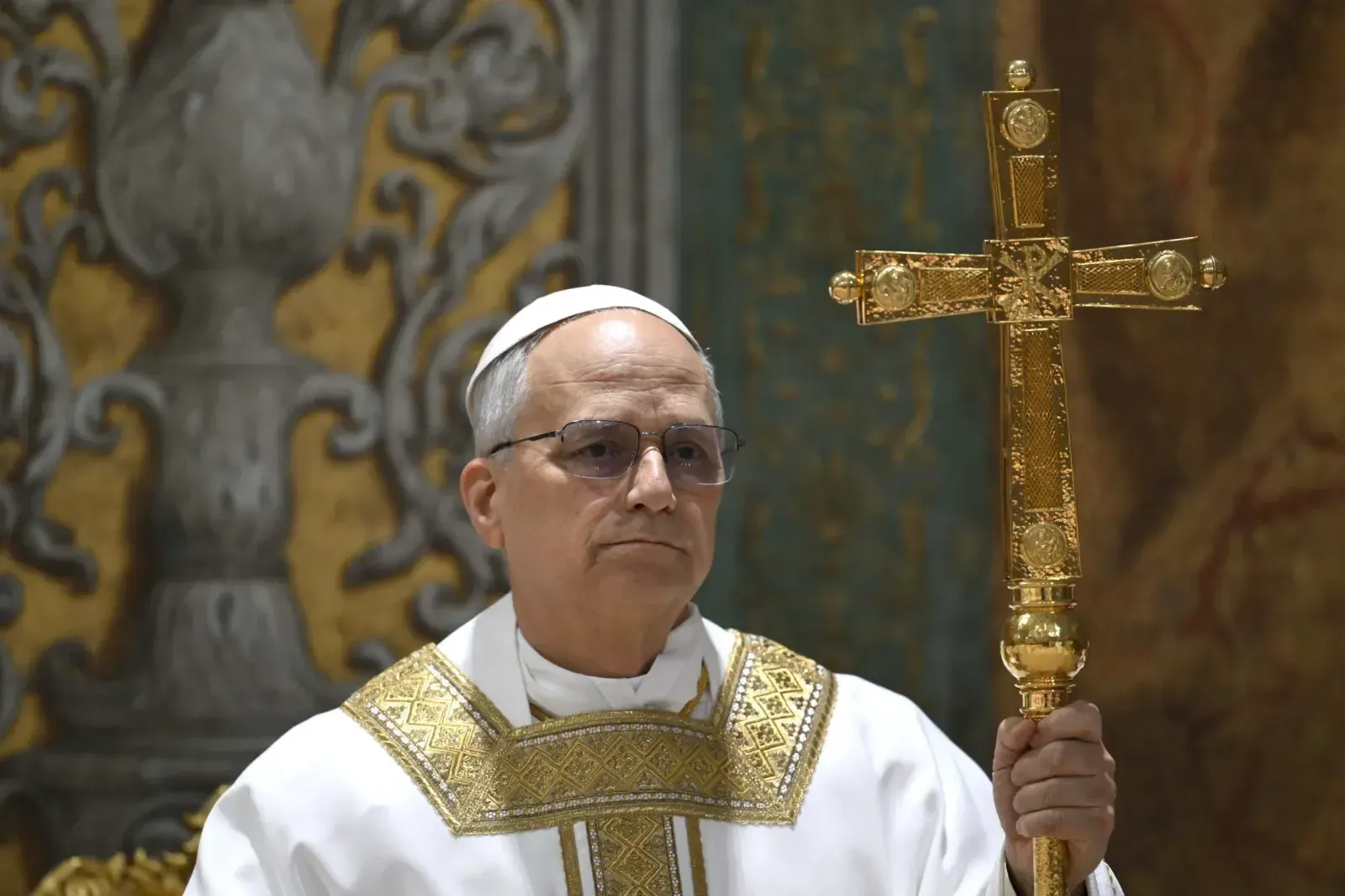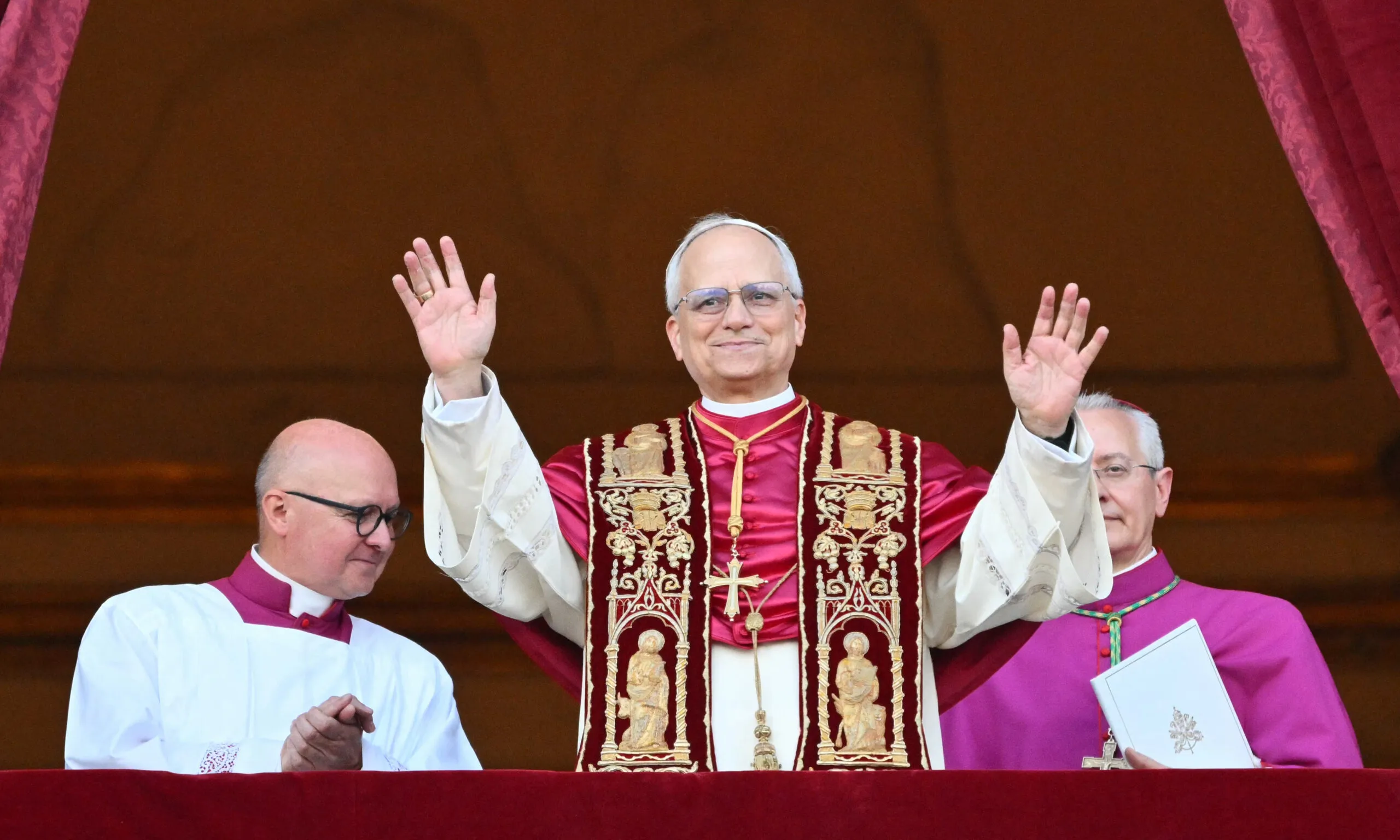


Pope Leo XIV new pope: first signals on governance
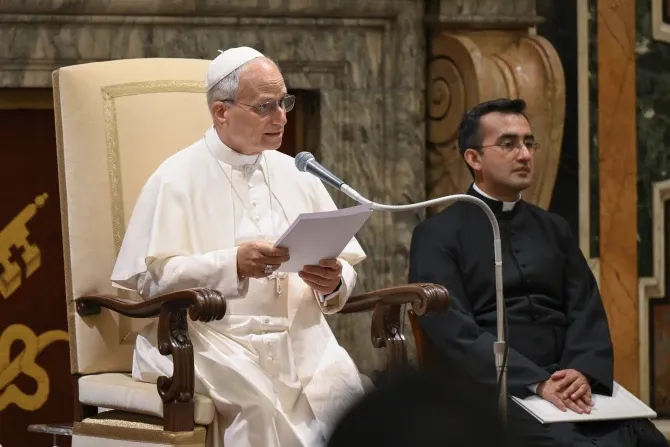
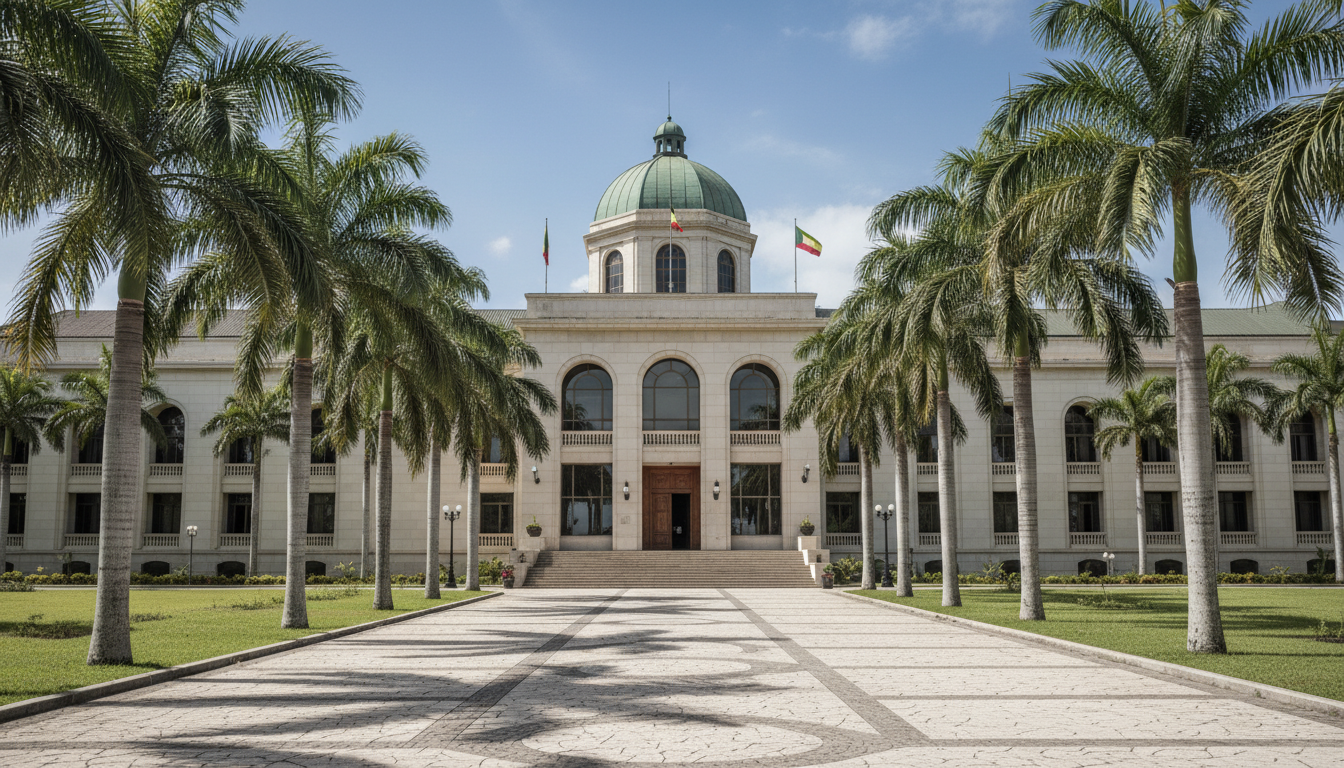
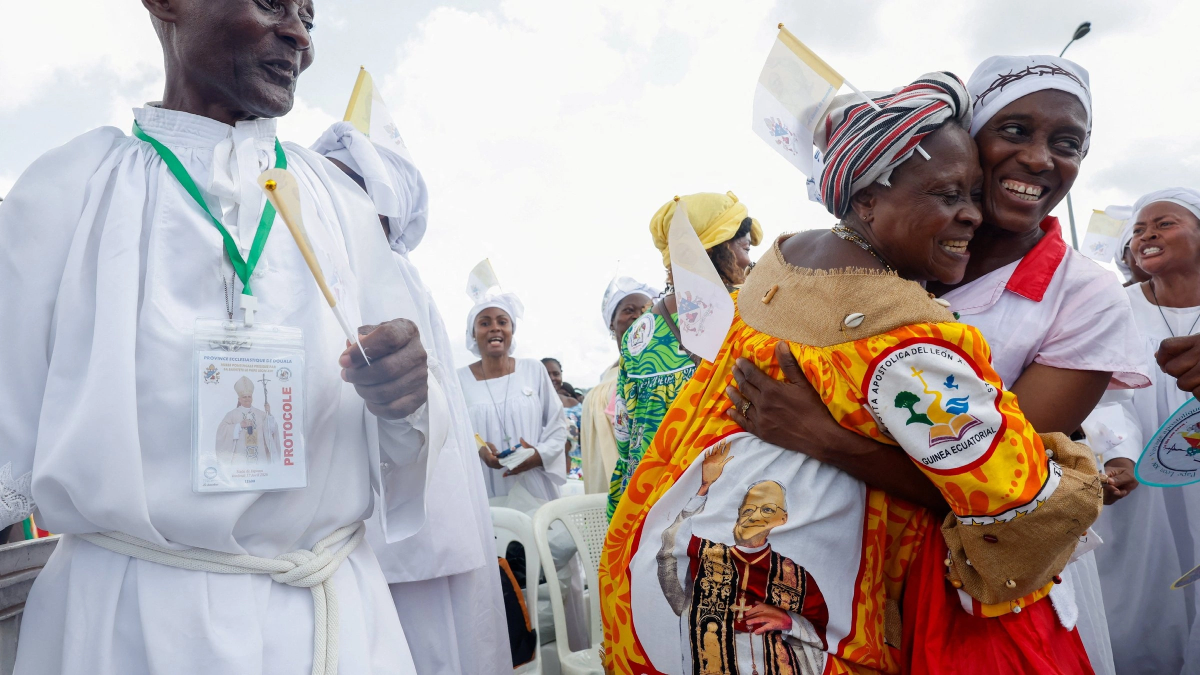
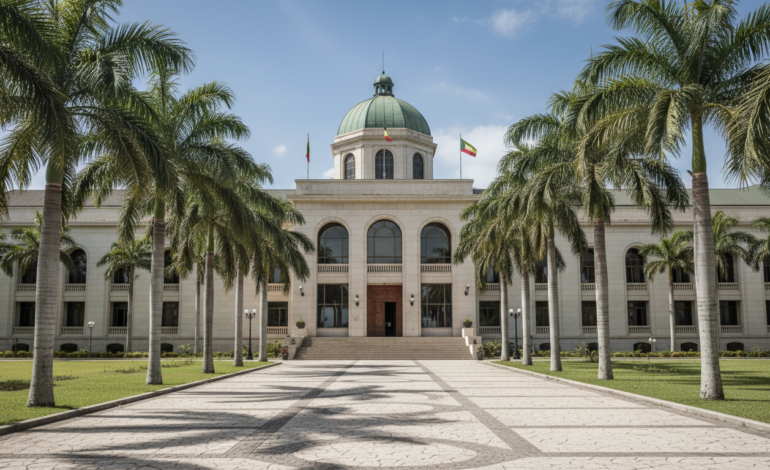
Pope Leo XIV has begun outlining early priorities as the Catholic Church’s new pontiff, and one of his first diplomatic messages focused on governance and social justice. On 20 April 2026, during an address to Equatorial Guinea’s diplomatic and political leadership reported by Vatican News, he framed public office as moral stewardship with measurable outcomes. He urged authorities to judge policy by the common good, social peace, and protection of the vulnerable rather than narrow advantage. Observers in Malabo and within the diplomatic corps watched for whether the appeal would translate into clearer safeguards, stronger rule of law, and transparent public administration.
Equatorial Guinea address: justice and development focus
In the same remarks, he linked development to ethical guardrails, warning that growth cannot be treated as success when rights are sidelined or corruption distorts public priorities. Vatican reporting described an emphasis on budgets and institutions that protect families facing hardship and prevent abuse of power. The Vatican’s public-facing diplomacy often returns to concrete benchmarks, including anti-corruption measures and consistent application of the law. For Church context and ongoing coverage related to this visit, readers can also see Pope Leo XIV visit brings new momentum to Equatorial Guinea says bishops’ leader. The overall message positioned social protection as a prerequisite for stability.
What the new pope’s Africa message suggests
For audiences tracking how a new pontificate may approach Africa, the Equatorial Guinea stop signaled a practical, governance-centered agenda: accountability, dialogue that reduces polarization, and a public service ethic tied to real-world outcomes. The message also fits a broader pattern in Catholic social teaching that treats transparency as essential to trust in institutions. In other policy areas, the Holy See has recently highlighted risks tied to emerging technology and misinformation, which likewise depend on oversight and enforceable standards; see Vatican moves to strengthen AI oversight amid growing concerns over digital misinformation. For a non-Church comparison of how credibility is discussed in other sectors, see The Rise of Bitcoin ETFs and Institutional Investment Trends.
Local Church and civic reactions in Malabo
Local Church voices presented the address as more than ceremony, stressing that citizens will judge its impact by improvements in services, courts, and public trust. In a Vatican News interview cited by Church sources, Bishop Beka said the visit and remarks created “new momentum” for Equatorial Guinea, connecting the Pope’s call for justice to hopes for social cohesion and administrative renewal. The reaction among civic observers centered on whether ministries and agencies would adopt verifiable steps, such as clearer procurement controls, accessible legal protections, and stronger oversight. Related regional interpretation of Pope Leo XIV’s messaging can be found in Cameroon archbishop urges lasting impact from Pope Leo XIV’s peace message.
What to watch next after the Vatican message
Equatorial Guinea officials publicly acknowledged the Pope’s emphasis on justice as a basis for stability and development, while keeping statements formal and light on specific commitments. The next indicators will be administrative actions that can be tracked: whether oversight practices change, whether legal protections are strengthened, and whether social programs show improved delivery. For readers following broader Vatican coverage as it develops, Vatican reporting and official updates are typically aggregated through the Holy See’s news channels, including https://www.vaticannews.va/en.rss.xml. As the early weeks of the pontificate unfold, the key test of this message will be whether it sets a durable expectation for accountability in public life and yields observable governance decisions.