Pope Leo XIV visit brings new momentum to Equatorial Guinea says bishops’ leader
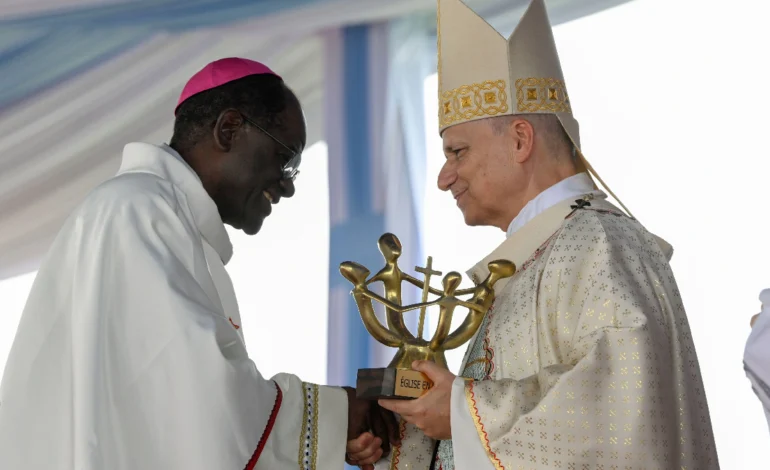

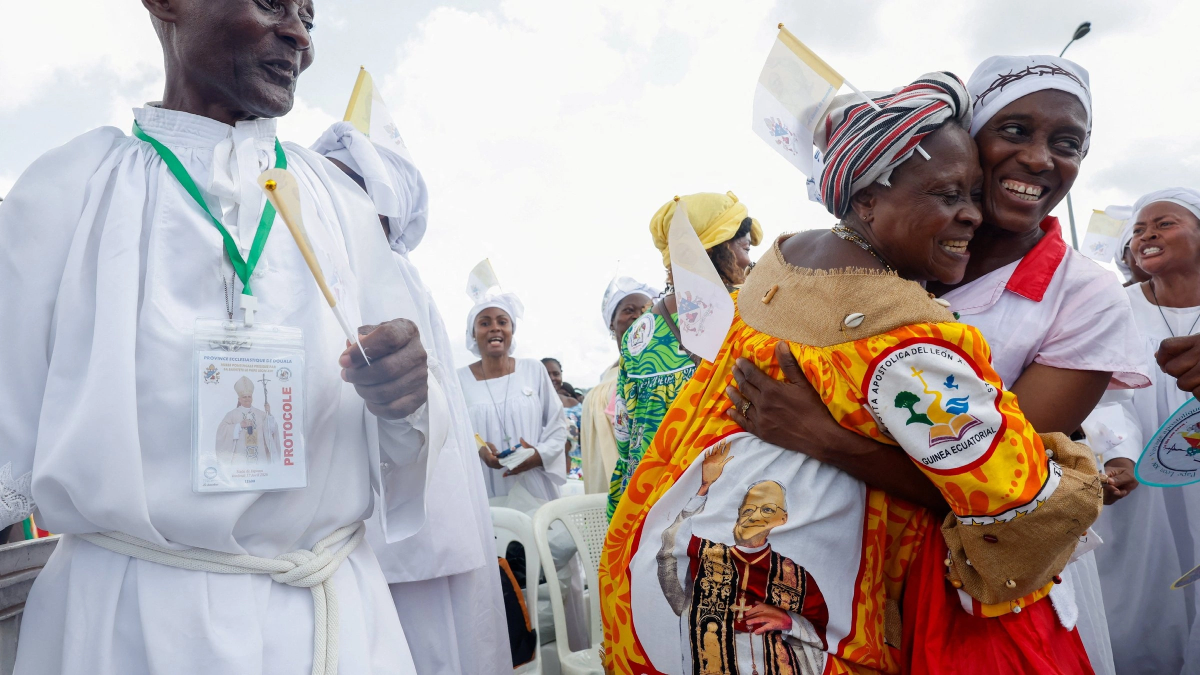
The recent Apostolic Journey of Pope Leo XIV to Equatorial Guinea has been described by Church leaders as a moment of renewed spiritual and social momentum for the country, with local bishops highlighting its impact on reconciliation, unity, and national development. The visit, which formed part of a broader African tour, is being viewed within the local Church as a turning point that has strengthened both faith communities and wider civil society engagement.
Bishop Juan Domingo Beka Esono Ayang, President of the Episcopal Conference of Equatorial Guinea, reflected on the significance of the papal visit, describing it as a shared blessing for the nation. He noted that the presence of Pope Leo XIV has left a lasting impression not only through large public gatherings but also through his direct messages encouraging responsibility, participation, and active commitment from all members of society, including those involved in public and social life.
According to the bishop, one of the most important messages delivered by the Pope was the call for Christians and Church communities to actively contribute to building a better future rather than waiting passively for change. He emphasized that the Pope’s teaching placed strong importance on personal responsibility in the pursuit of the Kingdom of God, encouraging individuals and communities to take part in shaping social transformation through concrete action and faith driven engagement.
The papal visit, which included stops in Algeria, Cameroon, Angola and Equatorial Guinea, concluded on April 23, leaving behind what Church leaders describe as a message of profound renewal. In Equatorial Guinea, this message has been particularly focused on human dignity, reconciliation, and respect for diversity, with repeated calls for peaceful coexistence and stronger social commitment across different sectors of society.
Bishop Beka also highlighted the Pope’s emphasis on a lived expression of the Gospel, stating that faith must go beyond spoken words and be reflected in daily actions. This approach, he explained, is essential for fostering a true culture of peace, where social harmony is built through respect, dialogue, and mutual understanding rather than division or exclusion.
The reflections from the Episcopal Conference suggest that the papal journey has created a renewed sense of direction for the local Church, encouraging both spiritual renewal and greater engagement in national development challenges. Church leaders in Equatorial Guinea now see the visit as an opportunity to strengthen pastoral work while also deepening the Church’s contribution to social cohesion and long term peace building.