Pope Leo XIV recognises martyrdom of 49 Spanish religious figures killed during Civil War and advances multiple canonisation causes
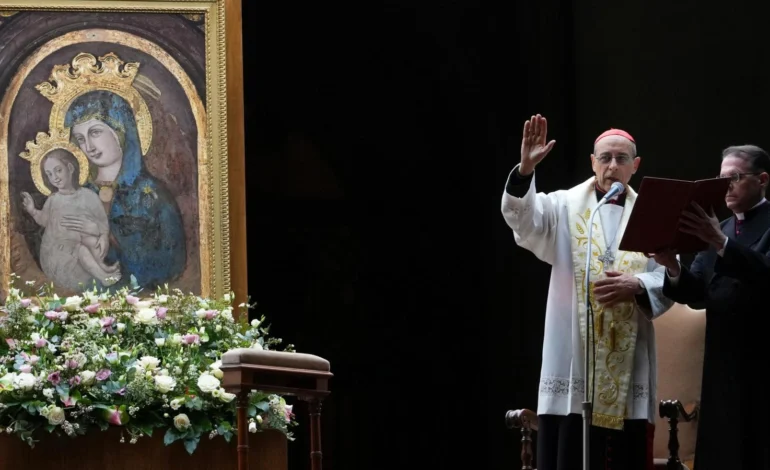

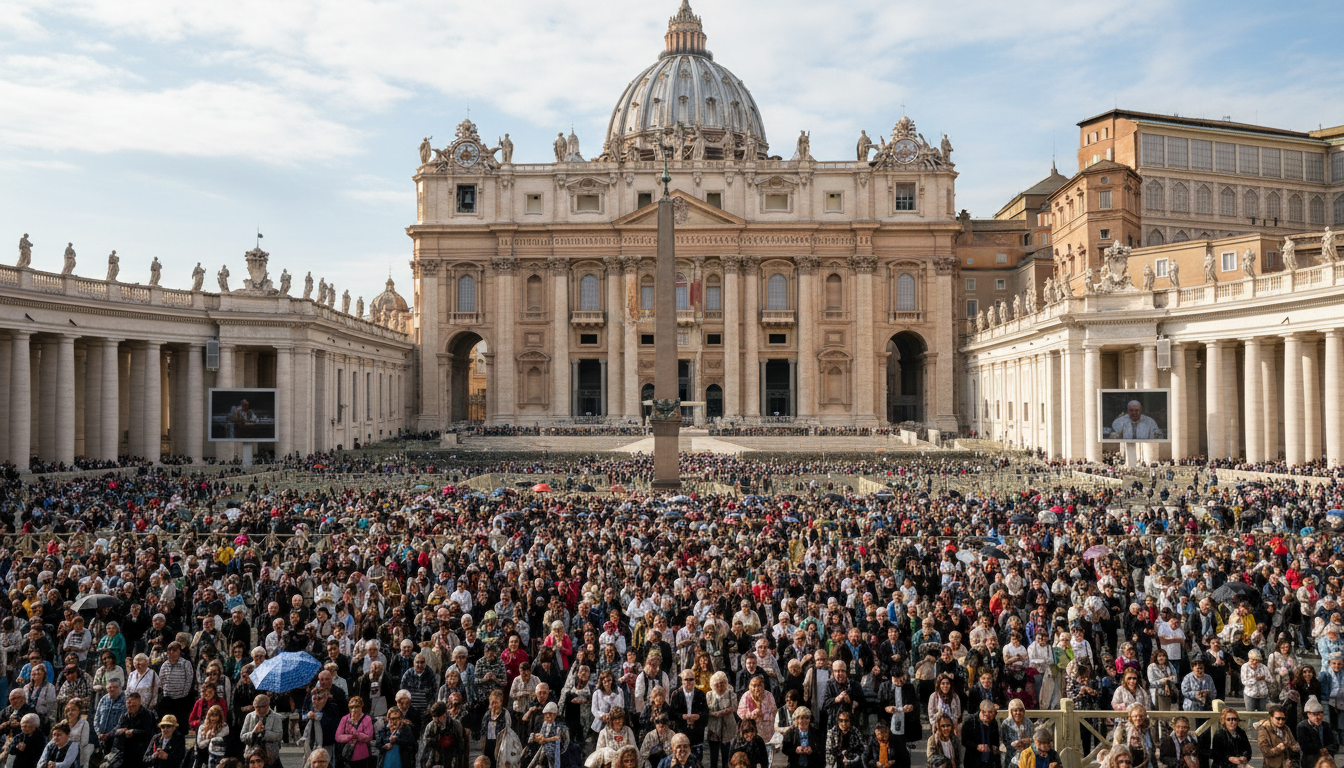
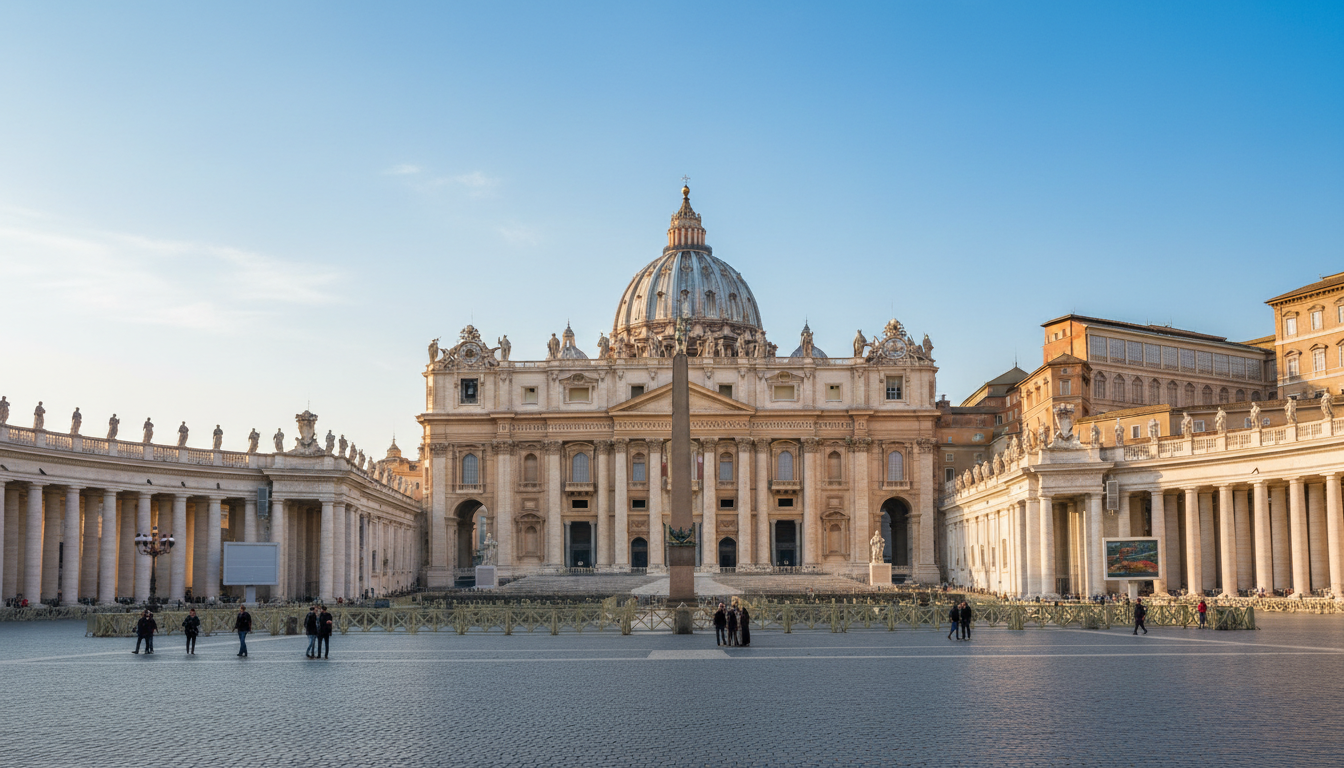
Pope Leo XIV has formally recognised the martyrdom of 49 Spanish members of the Institute of the Brothers of Christian Instruction of Saint Gabriel, together with a diocesan priest, marking a significant step in the Catholic Church’s process of canonisation for those who died during the Spanish Civil War. The decision was made during an audience with Cardinal Marcello Semeraro, Prefect of the Dicastery for the Causes of Saints, where the Pope authorised the promulgation of several decrees acknowledging martyrdom, heroic virtue, and the offering of life across multiple cases under consideration by the Church.
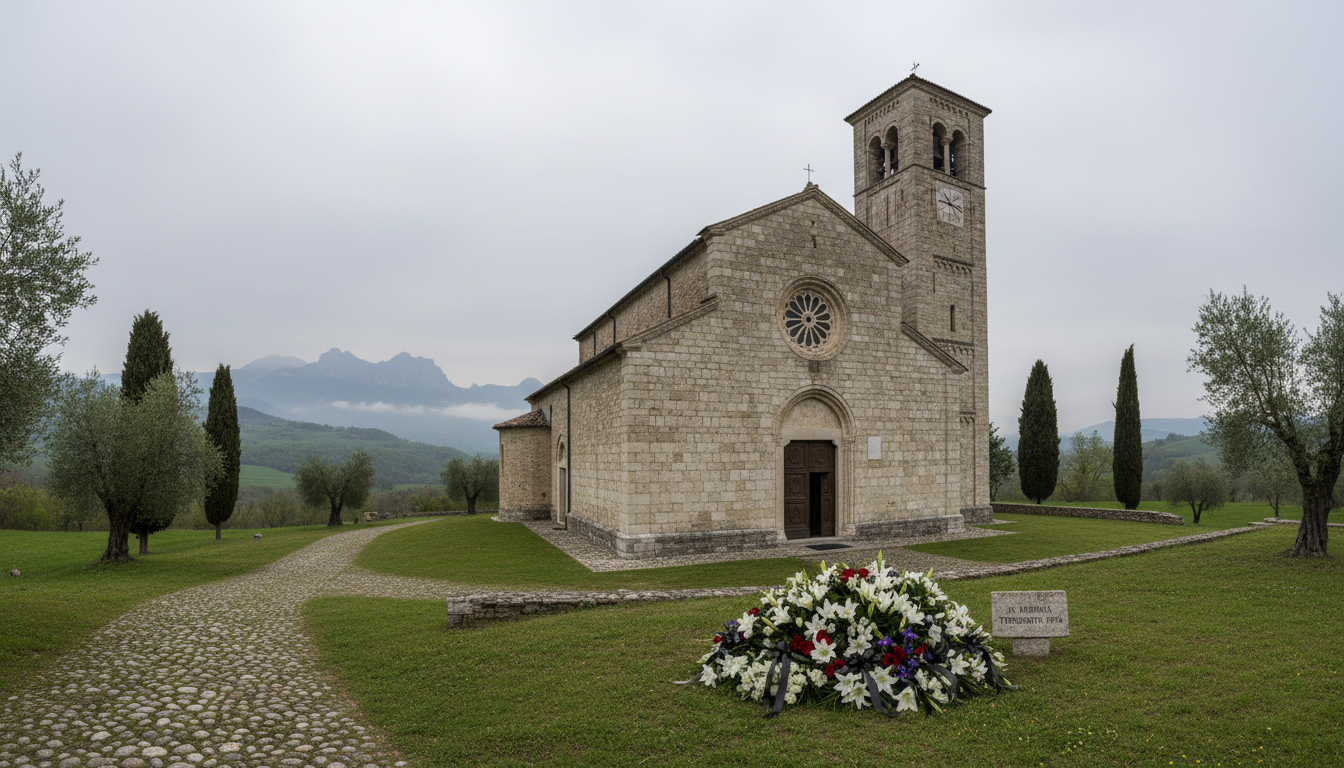
The recognition of martyrdom applies to Stanislao Ortega García, known in religious life as Lorenzo, and his 48 companions, along with priest Emanuel Berenguer Clusella. According to the decree, they were killed between July and November 1936 in various locations across Catalonia during a period of intense religious persecution. The Church affirms that their deaths occurred in hatred of the faith, a key criterion in the canonisation process for martyrs. Their recognition places them one step closer to potential beatification, reflecting the Vatican’s continued examination of historical cases linked to periods of violent religious conflict in Spain.
Alongside the Spanish martyrs, Pope Leo XIV also recognised the offering of life of Pietro Emanuele Salado Alba, a lay member of the association “Hogar de Nazaret,” who was born in Spain in 1968 and died in Ecuador in 2012. The concept of offering of life refers to individuals who voluntarily and selflessly accept death in a Christian spirit of charity. This recognition reflects the Church’s expanded categories for sainthood causes, which now include not only martyrdom and heroic virtue but also those whose lives demonstrate extraordinary sacrifice in service to others.
In addition, the Pope approved decrees acknowledging the heroic virtues of three Servants of God from different historical and cultural contexts, further advancing their respective causes. Maria Eletta of Jesus, born Caterina Tramazzoli in Italy in 1605, was a Discalced Carmelite whose life of contemplation and religious devotion concluded in Prague in 1663. Maria Teresa of the Most Holy Trinity, born Teresa Ysseldijk in the Netherlands in 1897, served within the Congregation of the Sisters of the Carmelites of the Divine Heart of Jesus and died in the United States in 1926. Maria Raffaella De Giovanna, born in Genoa in 1870, founded the Congregation of the Tertiary Minim Sisters of Saint Francis of Paola and was known for her dedication to religious education and charitable works until her death in 1933.
The series of decrees reflects the Vatican’s ongoing effort to recognise figures whose lives embody deep spiritual commitment across different eras and continents. By advancing these causes, the Church continues its process of examining historical witness, personal sacrifice, and moral virtue as part of its broader mission to present models of faith for the global Catholic community. The recognitions also highlight the diversity of paths within Catholic holiness, spanning martyrdom in times of conflict, quiet missionary dedication, and lives shaped by religious devotion and service.