


Holy See’s Stance on Nuclear Deterrence
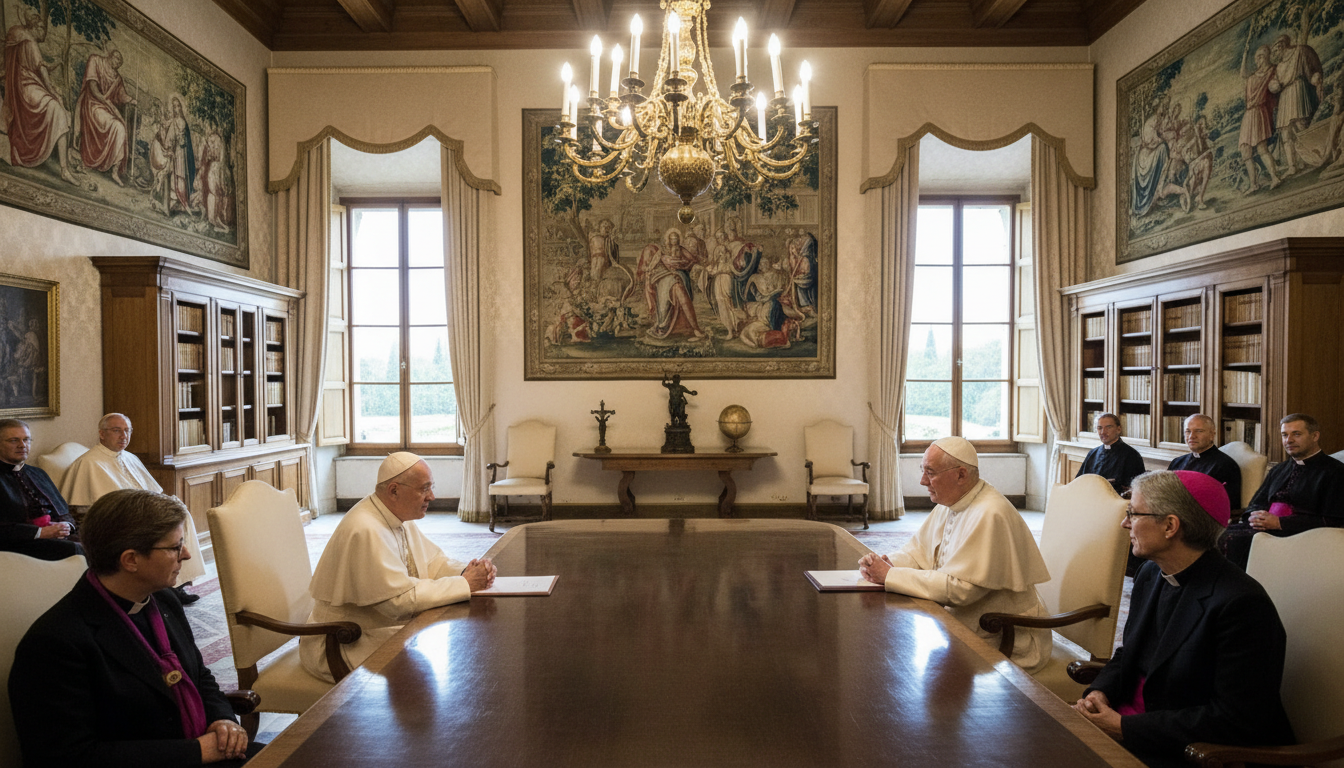
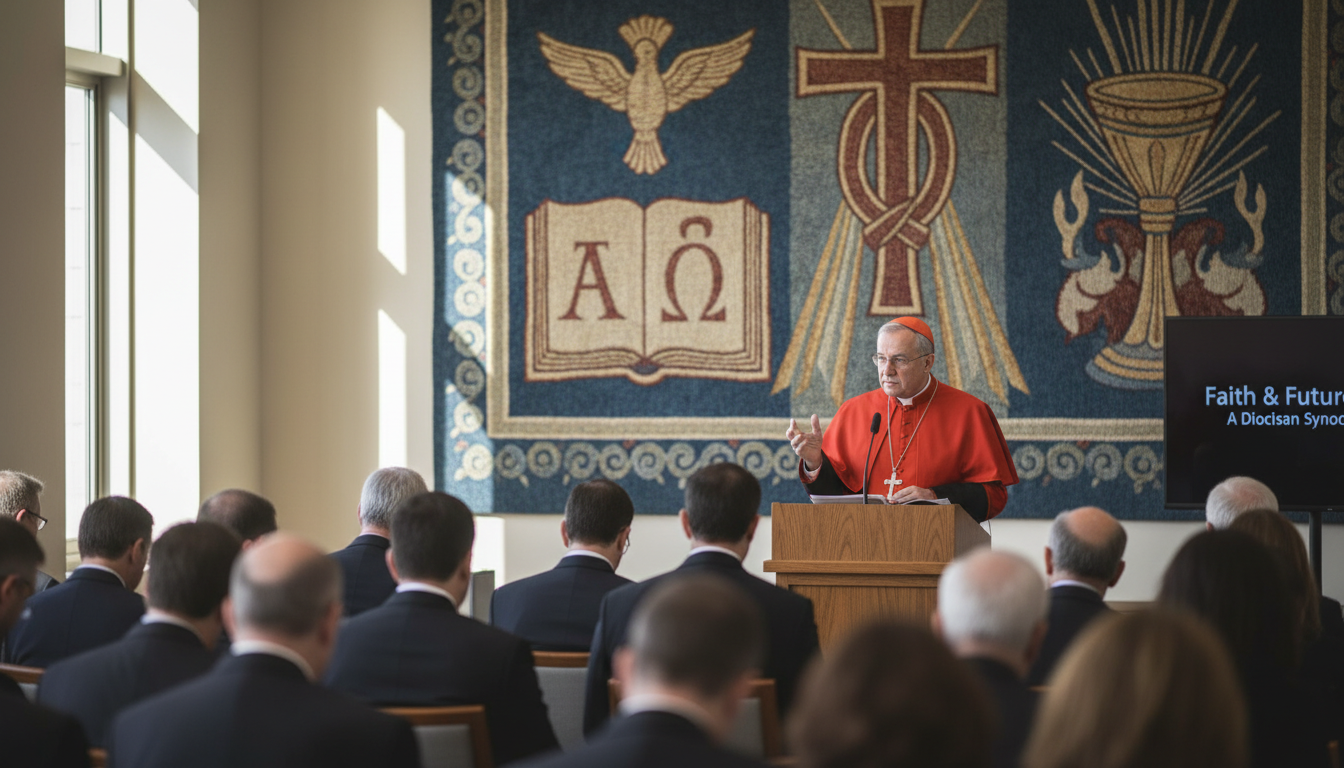
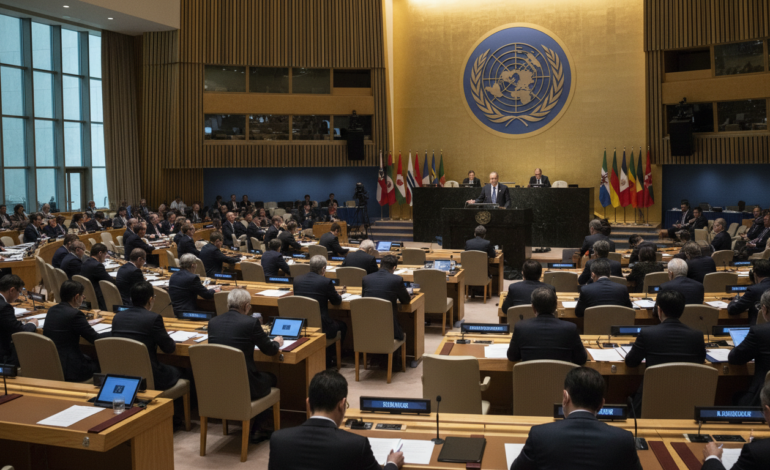
Diplomats representing the Holy See pressed delegates at UN treaty meetings to treat escalation risks as immediate policy failures, not abstract strategy. In remarks covered by Vatican News, the mission argued that reliance on nuclear deterrence is widening the margin for miscalculation as crises accelerate. Today, officials framed the issue as a moral and legal challenge for states that claim security while expanding capabilities. They stressed that deterrence logic cannot guarantee control once signals are misread or command systems are stressed. Live discussions in conference rooms focused on how political rhetoric can outpace safeguards and verification. The delegation urged governments to weigh humanitarian consequences and avoid normalizing brinkmanship.
Risks of Modern Military Technologies
Security officials and arms control experts at the UN are increasingly focused on how new systems compress decision time and amplify error. Vatican News reporting on the Holy See intervention described heightened global risk when states rely on rapid strike tools and complex warning networks. The Holy See warned that extended nuclear deterrence can pull additional countries into escalatory commitments during regional shocks. Today, several delegations discussed how cyber interference and space based assets can confuse alerts, while Live monitoring of incidents often produces partial information. For context on the Holy See position, see Vatican News on the Holy See UN statement Vatican News on the Holy See UN statement during the April 2026 UN meetings. An Update from civil society briefings emphasized that misinterpretation in minutes can outpace diplomatic channels.
Call for International Disarmament
The Holy See message centered on moving from managed rivalry to measurable reductions, with verification and transparency built into any pathway. Diplomats argued that nuclear deterrence theory has become a rationale for sustaining arsenals even when states acknowledge the catastrophic consequences of use. Today, negotiators referenced the Non Proliferation Treaty review process as the venue where commitments must be made operational through timelines and reporting. A separate Update in parallel meetings pointed to the need for clear benchmarks that survive elections and leadership changes. For a snapshot of how fast market and conflict headlines can crowd out long term security, the wider news cycle was illustrated by Brent Oil Jumps as Iran Blockade Risks Expand Fast Brent Oil Jumps as Iran Blockade Risks Expand Fast. Live diplomatic exchanges underscored that disarmament credibility depends on enforceable steps, not slogans.
The Role of Multilateral Engagement
Vatican diplomats framed multilateral engagement as the only practical way to reduce accident pathways across alliances and rival blocs. They argued that when states outsource safety to deterrence postures, communication failures multiply across partners and crises. Today, the Holy See urged governments to invest in dialogue mechanisms, notification channels, and shared understandings that prevent rapid escalation. In related Vatican coverage of peace appeals, Pope Leo XIV presses EU to unite for peace now Pope Leo XIV presses EU to unite for peace now highlighted a broader emphasis on coordinated action rather than unilateral moves. Live side events also discussed how legal norms, inspection access, and data sharing can be strengthened without legitimizing weapon possession. An Update from delegations indicated that trust building measures are being discussed as complements to binding reductions.
Future Steps for Global Peace
Next steps at the UN are expected to focus on converting statements into implementable language for national policies and treaty reporting. The Holy See has signaled it will keep pressing for outcomes that reduce launch readiness pressures and lower incentives for modernization races. Today, delegates acknowledged that political leaders often reach for deterrence as a default, even as crises show how quickly signals can be misread. Live diplomacy will likely concentrate on strengthening verification bodies and protecting humanitarian principles in security planning. An Update from observers stressed that durable progress requires consistent participation by nuclear armed states and their partners, alongside accountability for commitments already made. The Holy See position remains that security must be built through restraint, law, and sustained negotiation rather than fear driven postures.