

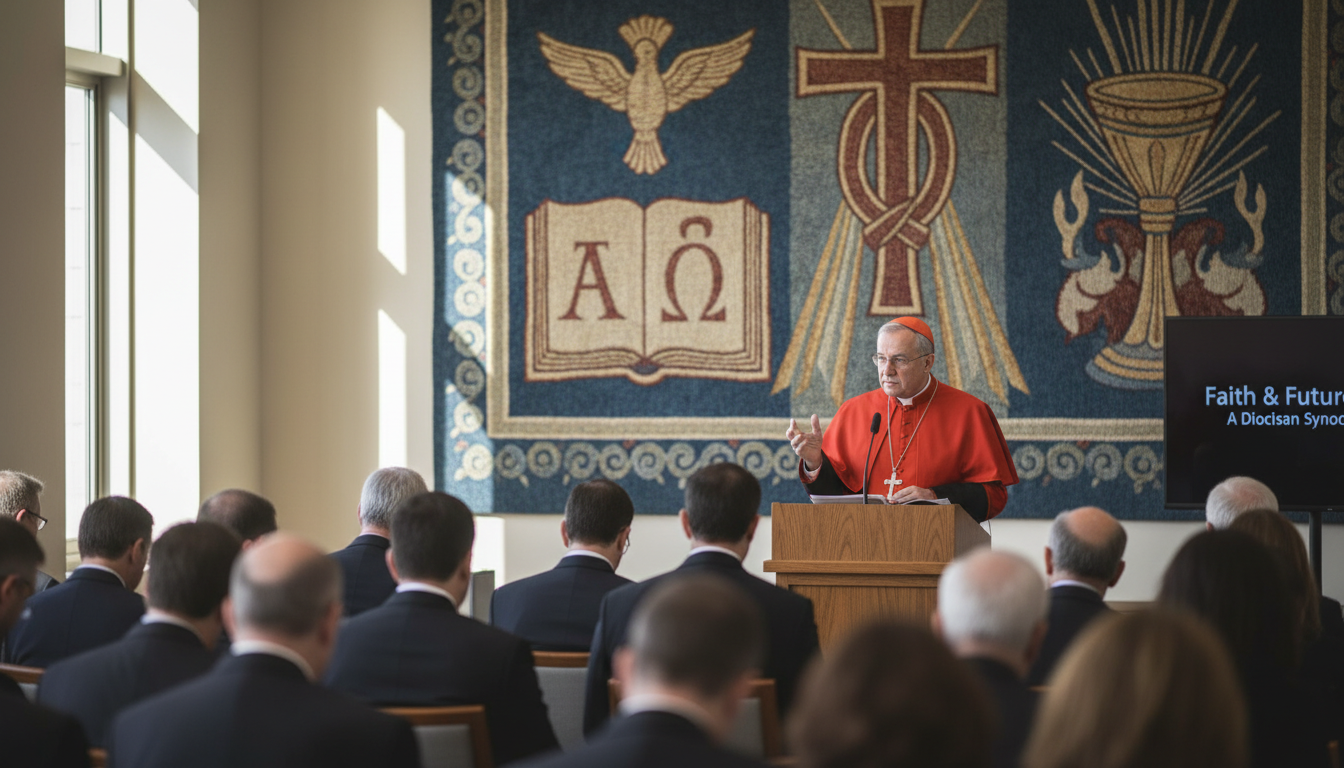
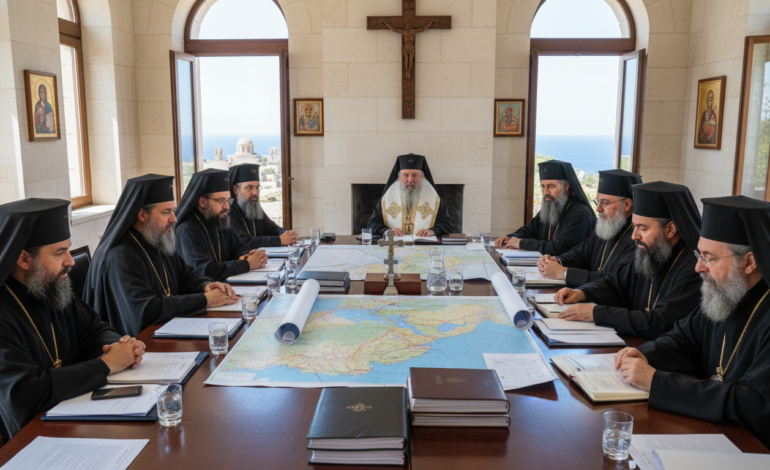

Bishops Convene in Cyprus for Assembly
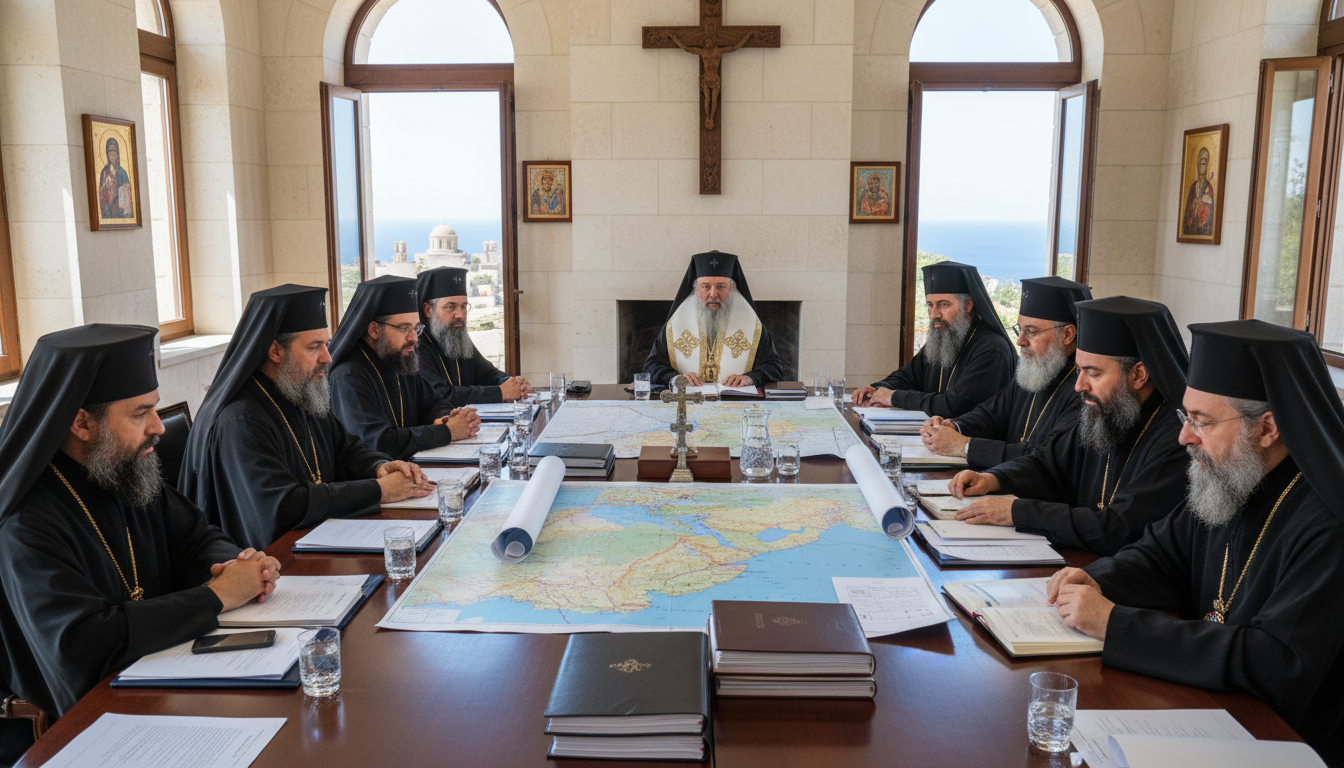
European church leaders gathered in Cyprus this week as COMECE renewed its public appeal for Europe to act as a credible peace broker. Today the sessions focused on practical coordination between bishops conferences and EU institutions, with participants describing the meeting as a working assembly rather than a ceremonial stop. In the opening interventions, several delegates framed peace initiatives as a test of political will, not only of charitable outreach. Live briefings from advisers were used to track where humanitarian corridors and mediation channels are most fragile. An Update circulated to participants summarized priorities for sustained engagement with policymakers. Organizers said the goal was to keep the Church’s diplomatic voice aligned with concrete actions in Brussels and national capitals.
Calls for Strengthened Diplomatic Efforts
Discussions then moved to diplomatic efforts that bishops want European institutions to pursue with greater consistency, including support for dialogue formats that protect civilians. Today speakers emphasized that faith leaders can amplify, but not replace, formal negotiation tracks and international law. Participants referenced the Holy See’s warning on nuclear deterrence and escalating risk, linking to the Holy See warning on nuclear deterrence briefing for context in the assembly documents. A Live note from COMECE staff flagged the need for sustained EU engagement at the UN and in regional forums. An Update later in the day highlighted coordination with civil society networks.
Addressing Ongoing Global Conflicts
The assembly also addressed global conflicts driving displacement and polarization, and delegates weighed what they called a credibility gap between European rhetoric and follow through. Today several interventions stressed that bishops are hearing directly from parishes hosting refugees, and that those local pressures should inform EU decisions. In a mid session sidebar, editors circulated a link to Israel detains activists after flotilla interception as a snapshot of how quickly maritime and humanitarian flashpoints can reshape diplomatic space. A separate Live briefing drew on the Vatican News analysis from the Church of Jerusalem to underline the pastoral cost of prolonged conflict. Church of Jerusalem call in the present time was referenced for its emphasis on human dignity and restraint. The session ended with an Update assigning follow up contacts for each regional file.
Pope Leo XIV’s Message of Reconciliation
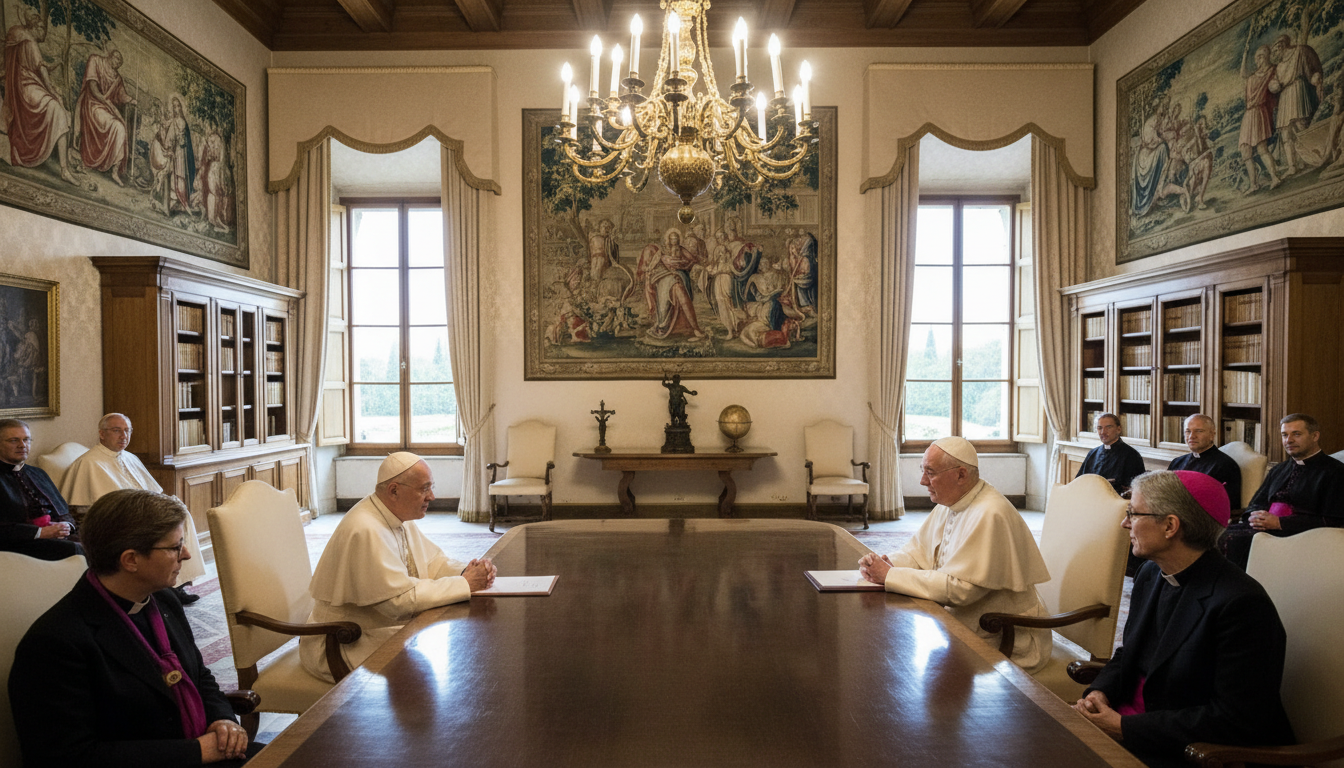
A dedicated segment focused on Pope Leo XIV’s recent guidance to European leaders, framed by participants as a call to reconcile principles with policy choices. Today delegates said the Pope’s message is being used to reinforce that persistence is required when public attention shifts, and that peace initiatives must be sustained. A Live exchange reviewed how bishops intend to communicate that message to national governments, especially on sanctions design, humanitarian exemptions, and protection of religious minorities. In the middle of the discussion, several participants pointed to a related brief, Pope Leo XIV presses EU to unite for peace now, as a concise reference for their communications teams. An Update from the secretariat noted that reconciliation language is most effective when paired with verifiable commitments, including funding for relief agencies and support for impartial monitoring.
Future Steps for European Peace Initiatives
By the closing sessions, the emphasis shifted to future steps that COMECE participants want to pursue with EU institutions and national capitals in the coming months. Today they discussed structured follow through, including regular consultations with diplomats, policy staff, and church based humanitarian operators to keep decision makers tied to field realities. Speakers cautioned that peace initiatives can falter when they become slogans, so they called for measurable milestones tied to dialogue access, civilian protection, and de escalation signaling. Live coordination plans were drafted for rapid response statements when negotiations open or humanitarian conditions change. An Update to the assembly record tasked working groups with preparing briefings that name the legal and moral stakes of each conflict without inflaming domestic politics. Delegates said the test will be whether Europe sustains patient diplomacy when headlines move on.