

Cardinal Pizzaballa’s Message
The Latin Patriarchate is circulating a pastoral letter that frames Jerusalem as a place meant to treat human suffering, not amplify it. In the text, Cardinal Pizzaballa addresses clergy and lay leaders with guidance meant to shape parish decisions during a tense season of public mourning and interrupted routines. Today, the letter is being read alongside concrete requests for prayer, accompaniment of displaced families, and sustained attention to the ordinary poor. He urges communities to speak plainly about harm while resisting language that dehumanizes neighbors. Live conditions around checkpoints and restricted access still affect worship schedules and pastoral visits. The message is built around practical responsibilities that can be carried out even when movement is limited.
Historical Context of Jerusalem
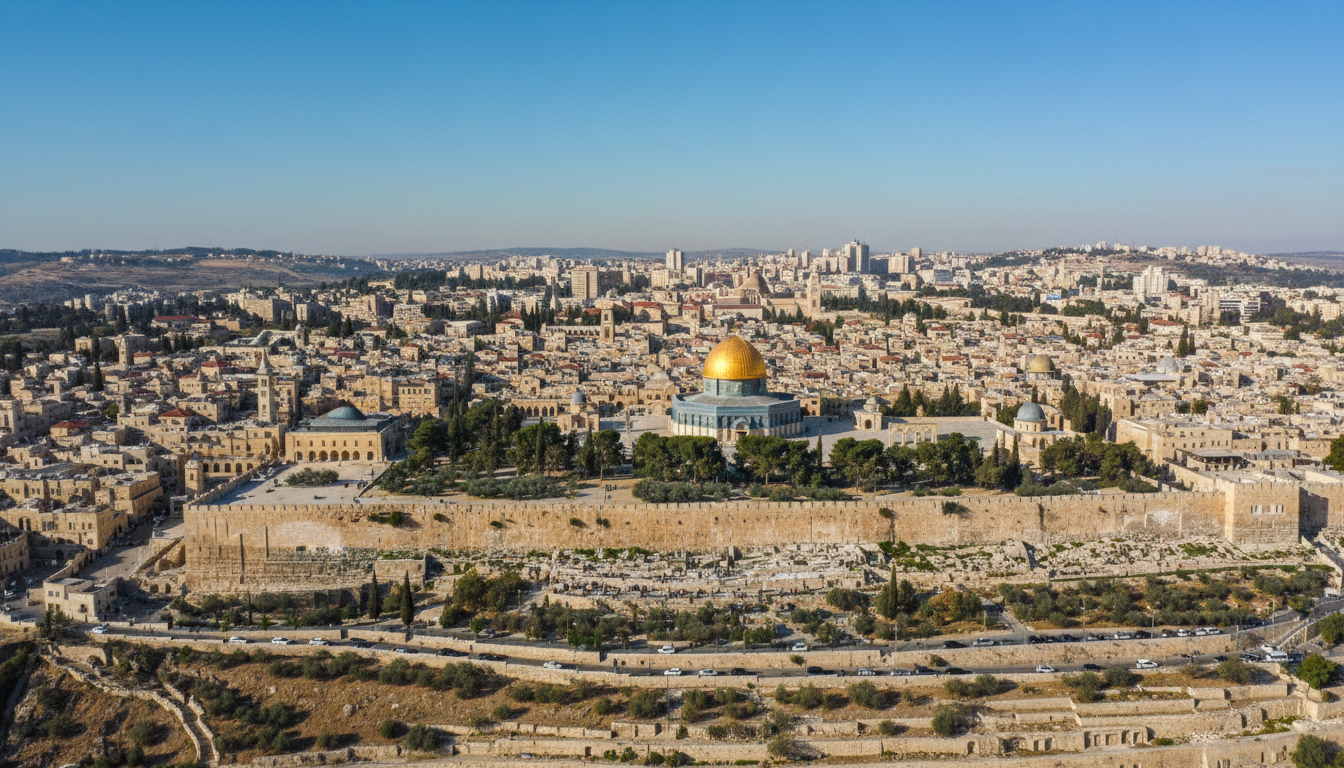
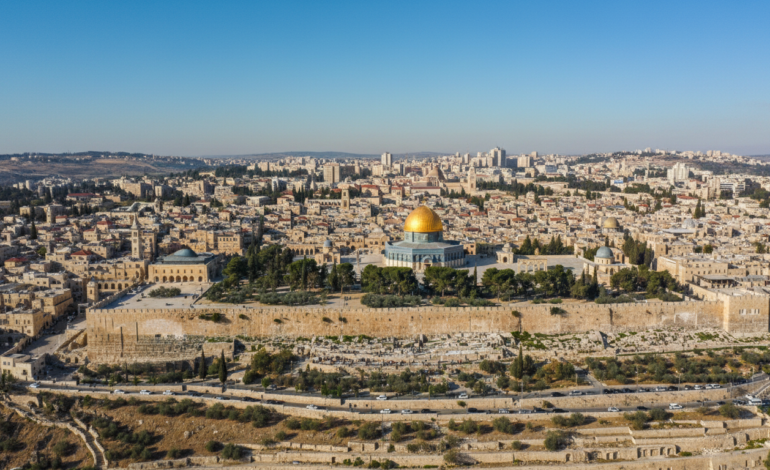
The letter also insists that Jerusalem is not simply a symbolic stage, but a city whose past obligations still set standards for the present. The patriarch points to the longstanding Christian vocation to remain rooted, serve without favoritism, and keep holy sites open as far as security rules allow. As an Update to clergy facing fatigue, he links the pastoral letter to the duty of safeguarding shared spaces where pilgrims and residents meet. A detailed reading published by Vatican News describes the appeal as a call to spiritual realism and civic steadiness in the Holy Land, and it highlights the author as cardinal pierbattista pizzaballa. For ongoing coverage that shows how public attention can swing rapidly, see Israel detains activists after flotilla interception. The emphasis remains on protecting relationships that outlast news cycles.
War’s Impact on the Holy Land
Current fighting has altered parish life in ways that priests cannot solve alone, and the letter treats those pressures as a direct pastoral priority. It describes families coping with fear, interrupted schooling, job losses, and tightened mobility, while reminding communities to keep sacramental care available wherever possible. Cardinal Pizzaballa argues that language used in homilies and catechesis must avoid turning grief into collective blame, because such rhetoric hardens lines that later become harder to cross. Live reporting from church agencies and local aid partners keeps highlighting immediate needs, and the text calls for coordinated charitable work that matches those realities. To ground its interpretation, Vatican News provides context on the appeal in A call by the Church of Jerusalem in the present time. The letter presents endurance as a moral discipline, not a slogan.
The Church’s Role in Reconciliation
The pastoral letter places reconciliation work in the hands of parishes, schools, and religious communities, and it stresses that credibility depends on consistent service. It asks church institutions to keep supporting trauma care, youth formation, and direct assistance without turning charity into a political badge. As an Update for leaders facing polarized expectations, the text emphasizes careful listening, fact based speech, and a refusal to celebrate violence in any form. It also frames engagement with civil authorities as necessary when protecting access to worship and ensuring humanitarian corridors for supplies. For broader Vatican framing on peacemaking and international responsibility, see Pope Leo XIV presses EU to unite for peace now. Today, the letter is being used as a reference point in formation meetings where staff decide how to allocate limited resources.
Global Implications of the Letter
Beyond local directives, the letter is written for a global audience that often turns Jerusalem into a proxy for wider ideological fights. It calls church leaders abroad to speak with precision, avoid online outrage that fuels hostility, and support humanitarian action that helps civilians regardless of identity. Cardinal Pizzaballa links the city’s religious weight to an obligation to model restraint, especially when international commentary can inflame tensions on the ground. Live conversations in dioceses outside the region increasingly focus on funding schools, supporting Christian presence, and encouraging pilgrimages when feasible and safe, including parish briefings in Rome and Amman. The patriarch’s approach also connects to broader Vatican diplomacy that treats human dignity as the baseline for security and peace. Today, the practical takeaway is that solidarity must be sustained over time, not expressed only at moments of crisis.