


Catholic Hospital Expansion Initiative
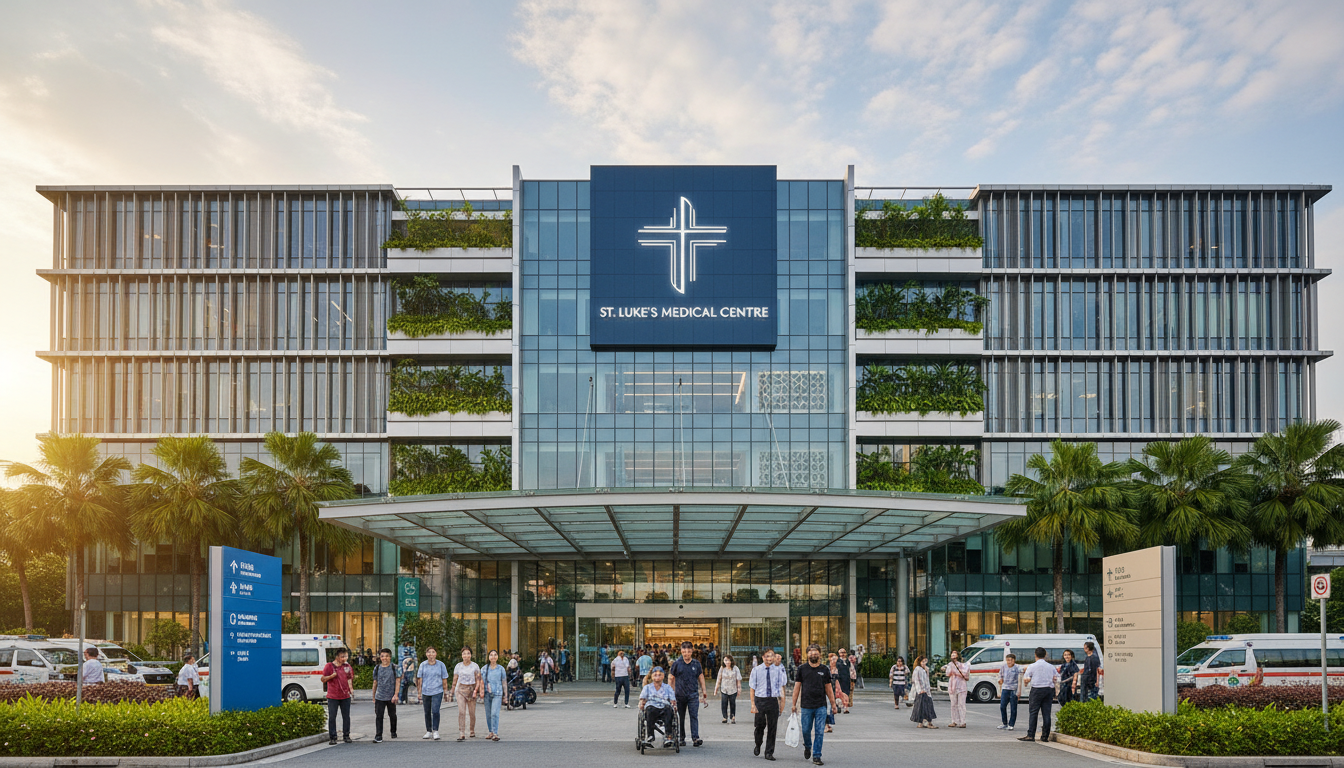
Singapore healthcare leaders are tracking a fresh capacity push as one Catholic not for profit provider broadens perioperative services and critical care capability. Today, the hospital said the change is designed to reduce bottlenecks from pre assessment to discharge while keeping patient safety metrics central, and Catholic hospital Singapore is being positioned to handle higher acuity demand into 2026. In a Live briefing to local stakeholders, administrators described how additional theatre time and redesigned patient flow will support higher complexity cases without shifting the mission focus. The same Update also emphasized staffing, training, and governance as core controls as volumes rise. Officials added that the work aligns with Singapore Ministry of Health licensing requirements and internal clinical governance processes.
New Day Surgery and Intensive Care Units
The latest build out focuses on day surgery capacity and a strengthened critical care footprint, with operational changes staged to avoid disruption to urgent admissions. Today, managers said new rooms, recovery bays, and monitoring upgrades are being introduced to expand surgical services while tightening infection prevention controls. A Live operations note highlighted the plan to streamline admissions and discharge scheduling so families spend less time waiting across multiple touchpoints, while the hospital’s Update referenced procurement and safety testing milestones and linked the approach to broader Catholic health planning: Delio CEO faces 20-year bid in Korea fraud case. Administrators also pointed readers to The Papal Foundation visit to Rome for context on Catholic social support priorities. The hospital said the staged works are planned across 2026.
Impact on Patient Care and Community
Clinicians say the near term goal is to improve throughput without cutting corners in perioperative evaluation, imaging coordination, or escalation pathways for complications. In one briefing, leaders said Catholic hospital Singapore is prioritizing safer same day discharge by pairing anesthesia protocols with closer post procedure observation and clearer follow up instructions. Today, administrators noted that the new intensive care footprint will help clinicians manage sudden deterioration in higher risk surgical patients while keeping transfer decisions based on clinical need, and a Live service note described closer integration between theatre teams and ward nurses to reduce delays in pain control and mobility. The hospital’s Update also directed community partners to Jerusalem Letter Calls for Healing, Says Pizzaballa as an example of Catholic institutions communicating during crises. Leaders said the changes are being rolled out through 2026.
Catholic Healthcare Mission in Singapore
Hospital leadership framed the expansion as a mission grounded in dignity, access, and careful stewardship of resources, rather than a branding exercise. Today, executives said patient assistance policies and chaplaincy support are being maintained alongside growth in theatres and monitoring capability, with governance focused on clinical outcomes and transparency. In a Live staff town hall, managers said the model depends on teamwork across surgeons, anesthetists, pharmacists, and allied health to keep discharge decisions safe, and Leaders cited Vatican reporting on humanitarian support to illustrate the wider Church commitment, linking CNEWA aid for Gaza relief efforts for readers following Catholic health and social outreach. The Update reiterated that ethical standards in consent, end of life care, and family communication remain non negotiable during periods of construction and ramp up. Executives said the approach will be reviewed during 2026 governance cycles.
Future Plans for Medical Services
Administrators said the next phase will focus on operational maturity, including audit cycles, incident review cadence, and measurement of recovery indicators such as readmissions and unplanned returns to care. Today, they described plans to refine theatre scheduling, expand perioperative education, and invest in monitoring technology that supports early detection of deterioration. A Live planning memo noted that recruiting and retention are being addressed through training pathways and structured mentorship for newer nurses moving into high acuity roles. The Update emphasized that expansion will proceed in steps, with each stage requiring sign off from clinical governance committees and compliance teams. Leadership said the hospital will publish service changes through official channels as milestones are met in 2026.