
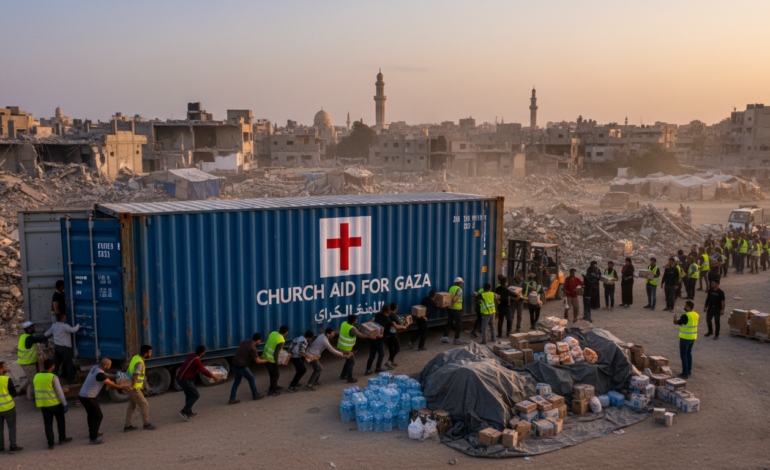

CNEWA’s Vital Role in Gaza
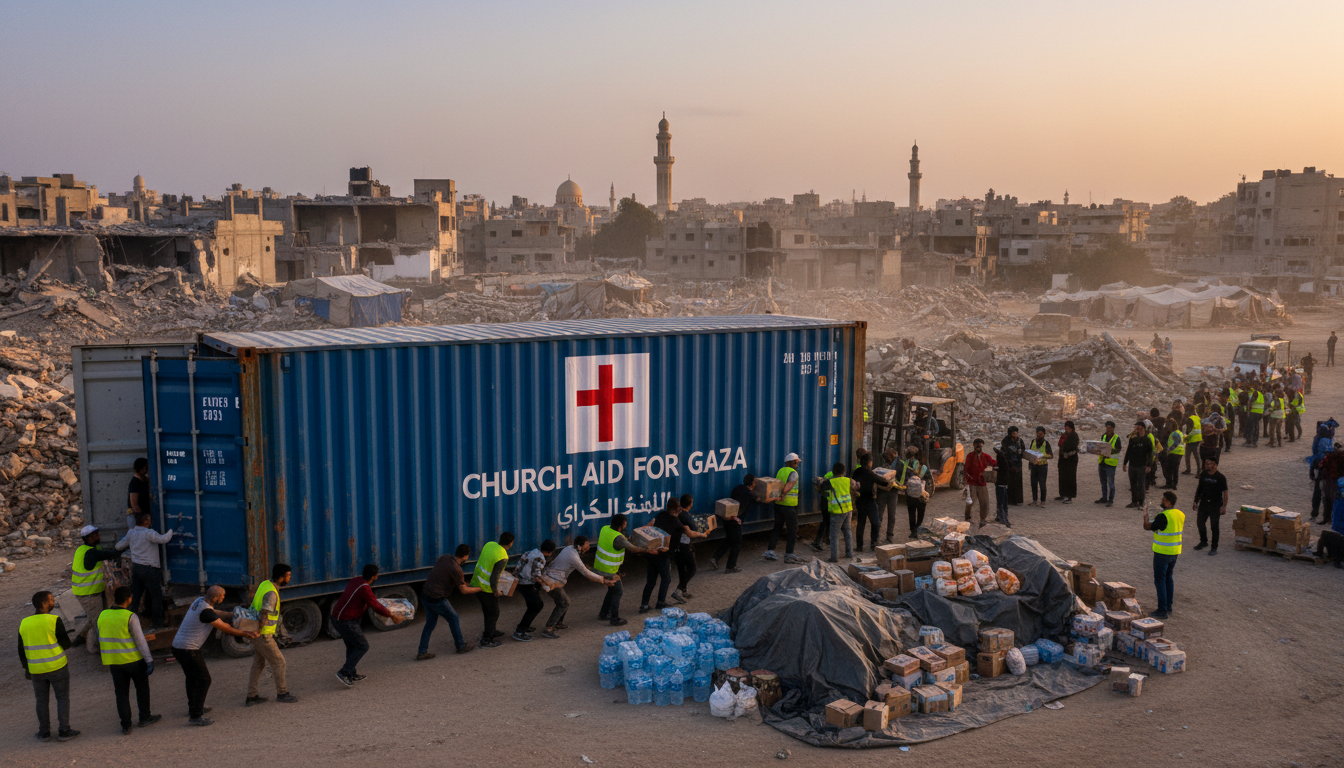
Relief coordinators in Gaza are working under constant pressure as supplies, staff movement, and security conditions shift by the hour. Field teams say Today the immediate priority remains keeping Church-run clinics, shelters, and food distributions functioning even when roads close. In that operational push, the Catholic aid agency CNEWA is channeling assistance through local Church networks and paying for essentials that cannot wait, including medicine procurement and emergency household support. Vatican News described the agency’s ongoing funding and logistical backing in its recent coverage of Church relief to Palestinians. Live communications between partners also help avoid duplication and steer scarce items to the most urgent cases. The work continues under tight constraints and frequent access changes.
Impact of the Ceasefire on Aid Delivery
Ceasefire pauses have altered how Gaza relief moves from planning to delivery, but they have not removed the core obstacles. Humanitarian staff say Live convoys depend on predictable crossings, fuel availability, and the ability to store goods safely once inside, including at parish storerooms in Gaza City. An Update from Vatican News on CNEWA’s support emphasized that Church channels are using windows of reduced fighting to move food, hygiene supplies, and medical support faster to parishes and relief points. Readers tracking other crisis coverage have also followed regional diplomacy via Ukraine widens oil strikes as Putin offers ceasefire, a reminder that ceasefire mechanics affect civilians differently in each conflict. Aid managers stress that predictable access matters more than headlines for sustaining distributions.
Church Partnerships in Relief Efforts
Church support on the ground relies on coordination between parish leadership, religious communities, and Catholic humanitarian offices that can move resources quickly. Local partners describe Today as a day of triage: identifying families who have lost housing, prioritizing chronic patients, and setting safe hours for receiving assistance. In those middle steps, the Catholic aid agency works to fund trusted Church-run entry points where beneficiaries already gather for services or protection, keeping administration light and accountability clear. Vatican News has reported on these Church relief efforts and the practical role of Catholic agencies in keeping them funded, as the pastoral framing in Jerusalem Letter Calls for Healing, Says Pizzaballa reflects how leaders are speaking while relief continues. Live coordination calls remain essential as routes change.
Future of Humanitarian Aid in the Region
Planning beyond the next shipment is now part of every operational briefing, because stocks, staffing, and donor commitments hinge on what access looks like week to week. Coordinators say an Update cycle has emerged: deliver what can move, document gaps, then re-route funds toward the next achievable channel, including repairing a damaged clinic generator and replenishing antibiotics. The Catholic aid agency is being asked to keep flexible funding available so Church partners can repair small infrastructure, restock pharmacies, and sustain temporary shelter operations when displacement patterns shift. Vatican News coverage of CNEWA’s Gaza work highlights how Church-linked distribution points can reopen quickly after interruptions, which helps stabilize neighborhoods even when larger systems stall. Aid leaders also note that long-term continuity will depend on reliable crossings and protection for civilians and relief workers.
Personal Stories of Aid Beneficiaries
In shelters and parish compounds, families describe relief not as a single delivery but as a sequence of practical lifelines that let them make it through another night. Volunteers recount a Live moment when a mother arrived seeking antibiotics for a child with a fever, and the clinic team was able to provide a course because recent deliveries had included essential medicines. Another Update came from a parish worker who said food parcels were adjusted for households caring for elderly relatives, reducing the need to travel farther for aid. Beneficiaries often speak most about dignity: being received by familiar Church staff, having names recorded correctly, and getting clear information on the next distribution time. Those details, workers say, are as stabilizing as the goods themselves in a sustained emergency.